
Stretch wrap film—also known as PE (polyethylene) stretch wrap—is a packaging material that, at room temperature, can be stretched (either mechanically or manually) to create a tension-based wrap. This tension secures goods, facilitating their transport or storage. PE stretch wrap is characterized by excellent stretchability, high tear and puncture resistance, high transparency, good self-adhesion, and a high recovery (retraction) rate, ensuring a tight, secure wrap that does not loosen over time.
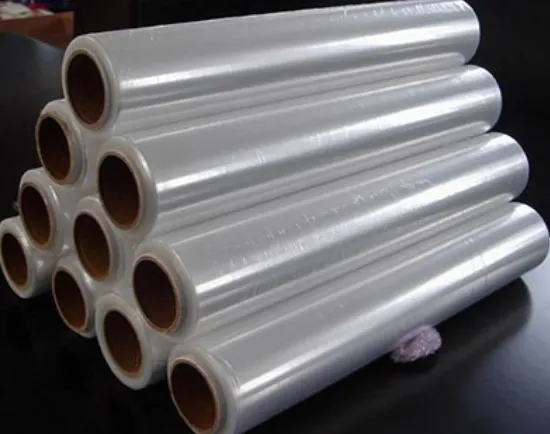
The basic properties of PE stretch wrap are as follows:
I. Appearance: The surface of the PE stretch wrap should be smooth and flat. It should be free from significant wrinkles (allowing for only minor, non-permanent folds), noticeable unevenness, black spots, impurities, "fish eyes" (gel particles), streaks, blemishes, air bubbles, pinholes, or tears. Furthermore, the surface must be clean and free from dust, oil, or other contaminants.
II. Transparency and Gloss: For transparent stretch wrap, a high light transmission rate is required—typically 92% or greater. For opaque stretch wrap (such as white film), the material should exhibit high whiteness and excellent opacity.
III. Physical and Mechanical Properties: The physical and mechanical characteristics of PE stretch wrap primarily include tensile strength, elongation at break, tear strength, and impact strength.
IV. Moisture Vapor Transmission Rate (MVTR): This refers to the amount of water vapor that passes through the PE stretch wrap material under specific conditions (e.g., a defined temperature and relative humidity), measured as the mass of water vapor per square meter. This metric serves as an indicator of the film's moisture-barrier performance; the specific quality and composition of the film directly influence this rate, which in turn determines its suitable range of applications.
V. Oxygen Transmission Rate (OTR): This refers to the amount of oxygen that passes through the PE stretch wrap material under specific conditions, measured as the volume of oxygen per square meter. This rate varies depending on the quality and specific composition of the film material.