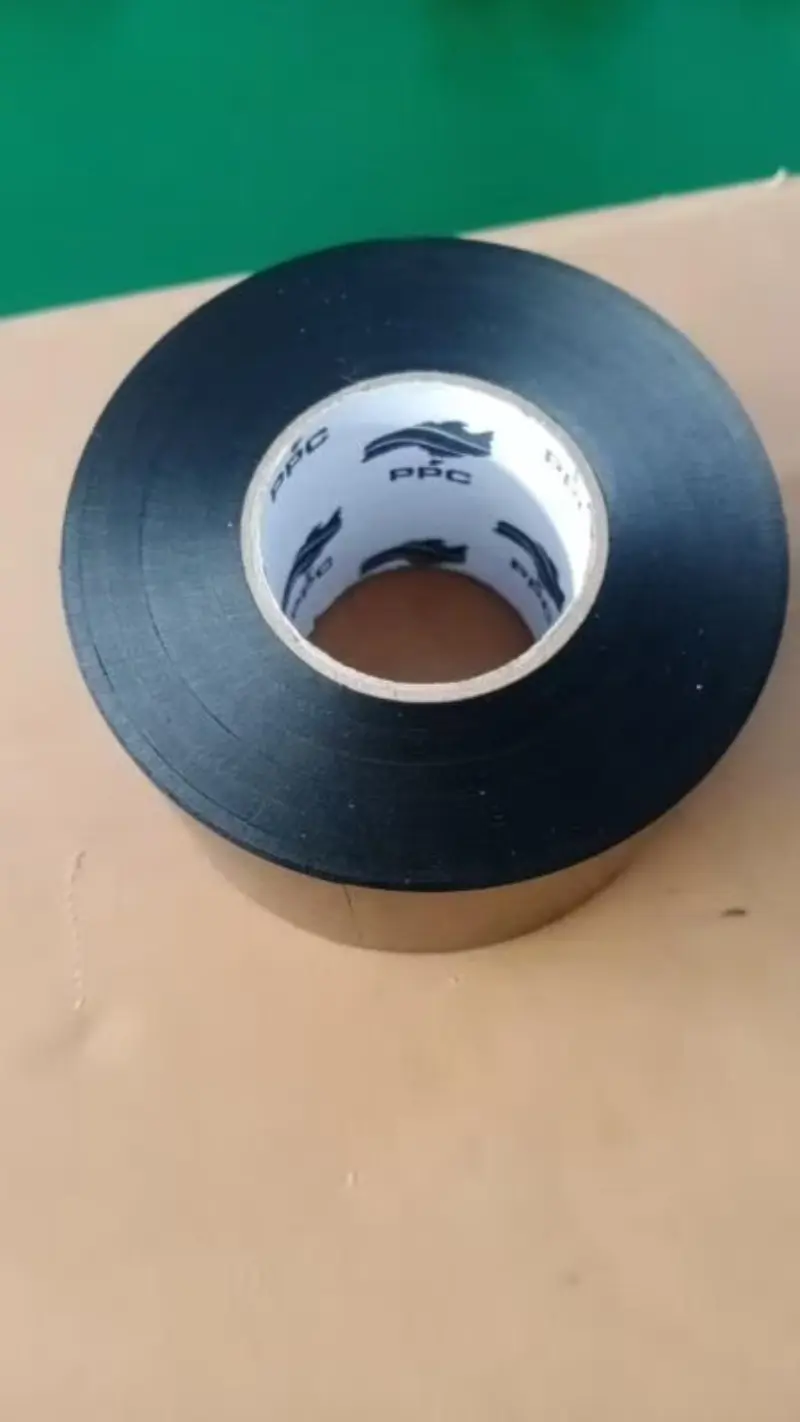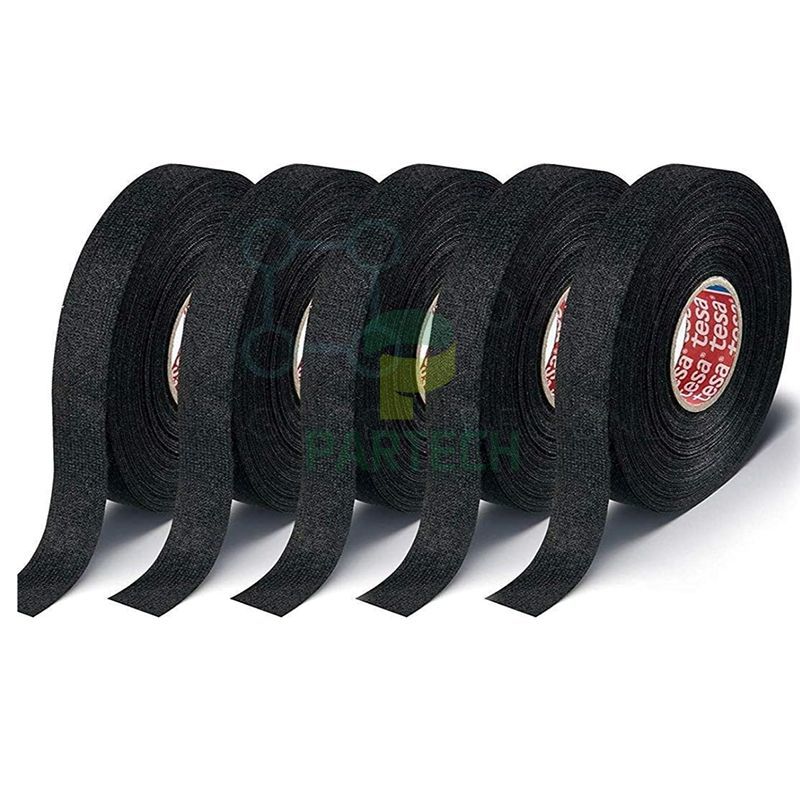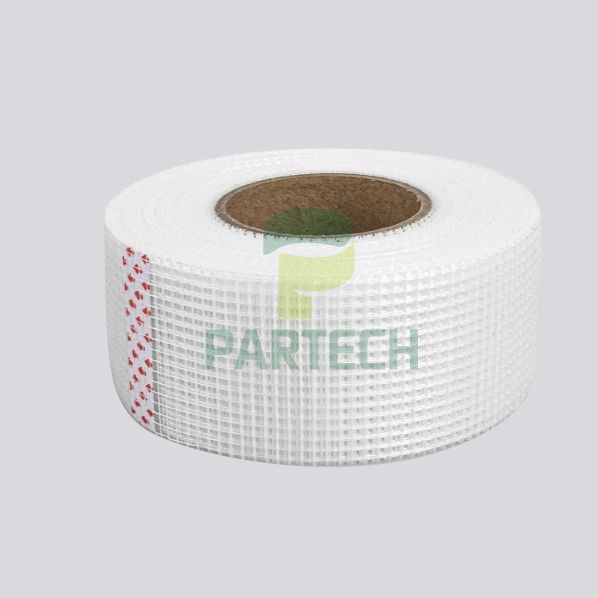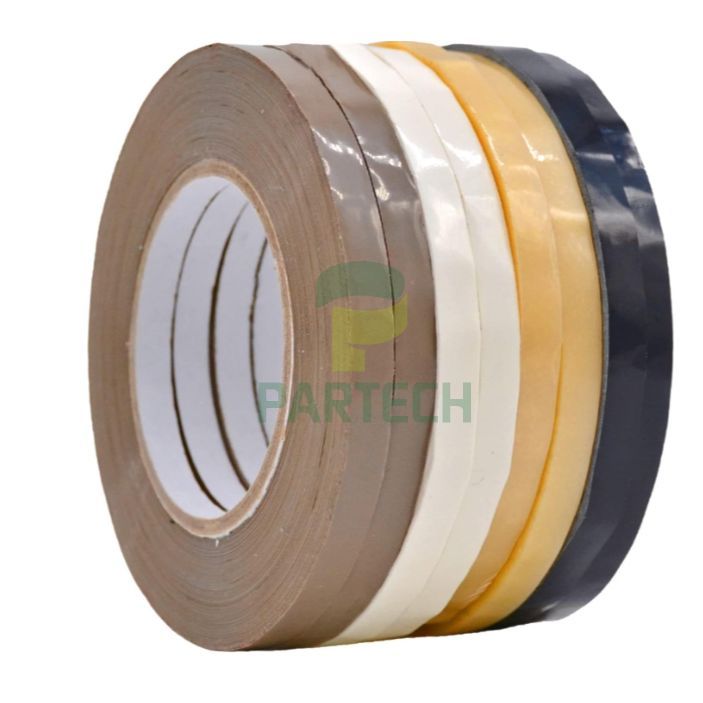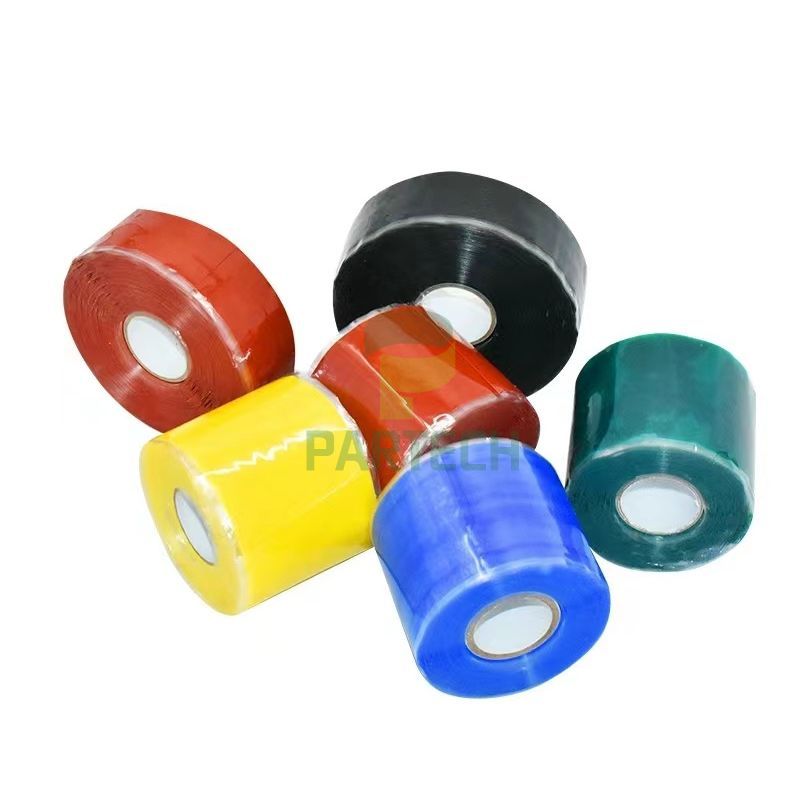

With the development of modern industries such as mobile phones, electronics, and electrical appliances, the packaging tape industry has emerged to meet the specific requirements of these industries. It primarily focuses on the production of precision die-cut tapes in roll packaging, leading to the development of post-die-cutting tape technology.
Die-cutting is the most common process in packaging tape manufacturing. It involves using die-cutting blades to create a die-cutting plate according to the product design requirements. Under pressure, the tape or other sheet material is cut into the desired shape or cuts. Creasing, on the other hand, uses crease cutters or crease dies to press lines into the sheet material under pressure, or uses rollers to roll lines into the sheet material, allowing it to be bent and shaped at predetermined positions.
Generally, die-cutting and creasing processes combine the die-cutting blade and crease cutter within the same template, performing both die-cutting and creasing simultaneously on a die-cutting machine. This is simply referred to as die-cutting. The main process of die-cutting is as follows: Plate mounting → Pressure adjustment → Distance determination → Rubber strip attachment → Trial die-cutting → Formal die-cutting → Waste removal → Finished product inspection → Counting and packaging.
Check the completed die-cutting plate to roughly observe whether it meets the requirements of the design draft.
Check the accuracy of the steel wire (pressing knife) and steel blade (die-cutting blade) positions; whether the slotting and perforating lines are continuous lines, and whether the bends are rounded; whether the connection between adjacent narrow waste edges has been enlarged to facilitate waste removal, making them a single piece; whether there are sharp corners at the joints of two lines; and whether there are sharp corner lines ending in the middle of another straight line. If any of the above problems are found on the die-cutting plate, the plate-making personnel should be notified immediately for correction to avoid further waste of time. Then, install and fix the completed die-cutting plate in the die-cutting machine's frame, and initially adjust the plate's position.
Adjust the pressure, determine the alignment, and attach the rubber stoppers.
Adjust the plate pressure, first adjusting the pressure of the steel blade. After applying the backing paper, run the machine several times to level the steel blade. Then, test press with a piece of cardboard larger than the die-cutting plate. Based on the cuts made by the steel blade on the cardboard, gradually increase or decrease the pressure of the backing paper layers, either locally or entirely, to ensure uniform pressure across all blade lines.
Generally, the steel wire should be 0.8mm lower than the blade line (adjustments should be made based on actual conditions due to variations in corrugated cardboard thickness). To ensure ideal pressure on both the steel wire and the steel blade, the pressure of the steel wire should be adjusted according to the properties of the cardboard being die-cut. The backing paper thickness is usually calculated based on the thickness of the cardboard: Backing paper thickness = Steel blade height - Steel wire height - Cardboard thickness.
The ruber springs should be placed on both sides of the main steel blade base of the die-cutting plate. Utilizing the good resilience of the rubber springs, the separated cardboard is pushed out from the blade edge. Generally, the rubber strip should be about 1.2mm higher than the die-cutting blade, and the distance between the rubber strip and the cutter line should be 1mm to 2mm. This is because if the rubber stopper is installed only on the blade, it cannot expand in the direction of the blade after being compressed, but can only expand in the other direction, causing the paper to be pulled to both sides. Before the die-cutting blade can cut the paper, it will be broken by the rubber stopper, which can easily produce paper lint.