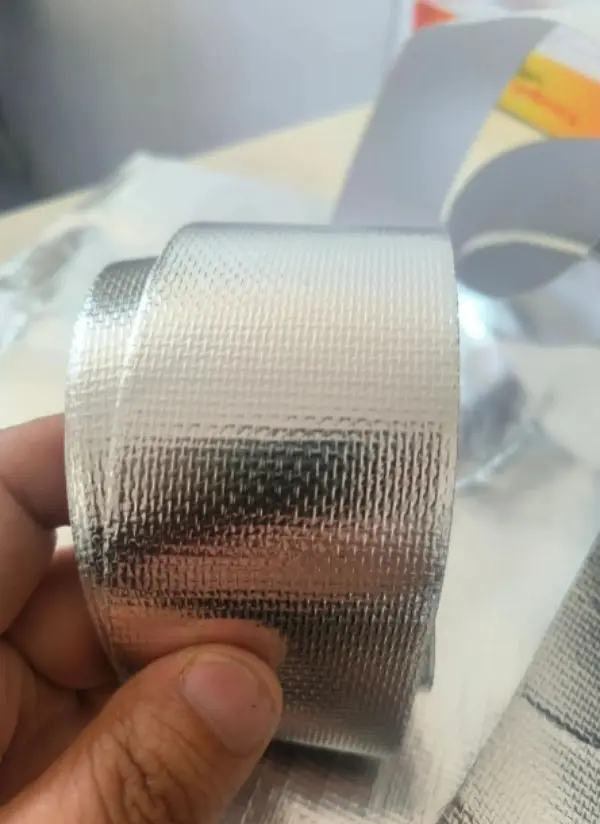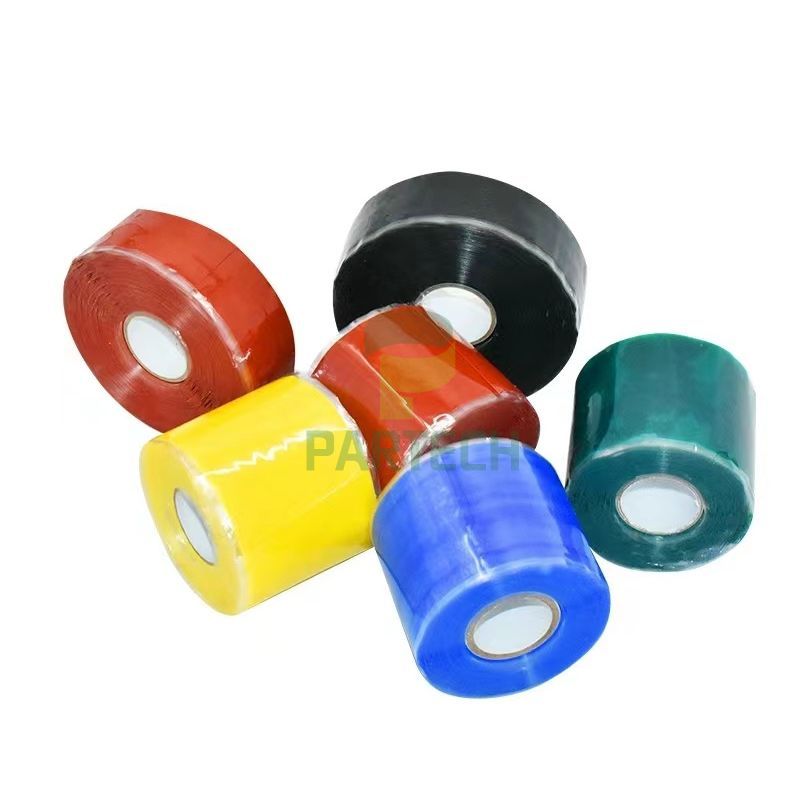

Fiberglass aluminum foil, a multi-functional composite material, is widely used in construction, packaging, and home furnishing due to its unique properties. Below, we will detail the usage of fiberglass aluminum foil to help you better understand and master the application techniques of this material.
Before applying the fiberglass aluminum foil, ensure the surface to be covered is clean. Any oil, dust, or impurities can affect the adhesion of the foil. Therefore, carefully clean the surface with a clean cloth or brush, ensuring it is dry, flat, and free of oil and impurities.
Cut the fiberglass aluminum foil to the appropriate length and width using scissors or a knife, according to your needs. Note that you should keep the edges neat when cutting for better adhesion to the surface. Avoid cutting too large or too small, as this will affect the application.
Apply the cut fiberglass aluminum foil to the surface that needs repair, reinforcement, or insulation. During application, ensure the foil adheres tightly to the surface, avoiding air bubbles or wrinkles. If necessary, gently press the foil with your hand or a light hammer to ensure a firm bond.
After application, carefully check the sealing of the fiberglass aluminum foil. Ensure all edges are tightly adhered without any gaps or omissions. If necessary, reinforce the edges with sealant or tape to improve the seal.
By following these steps, you can easily master the use of fiberglass aluminum foil. This material not only has excellent heat insulation, reinforcement, and moisture-proof properties, but is also easy to handle and suitable for various applications. Whether for building repairs, pipe insulation, or home decoration, fiberglass aluminum foil can bring you unexpected results.