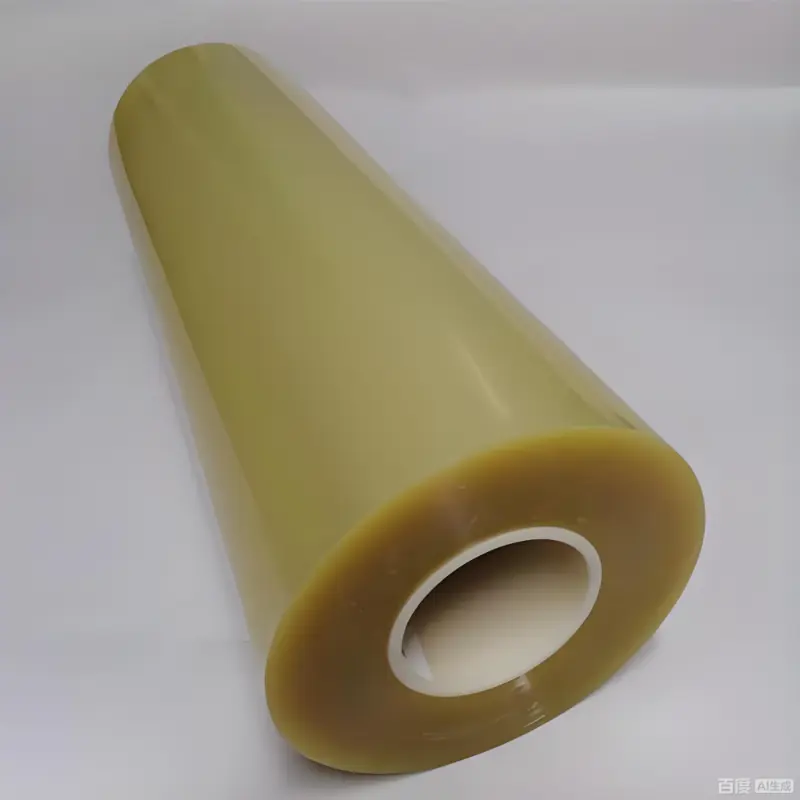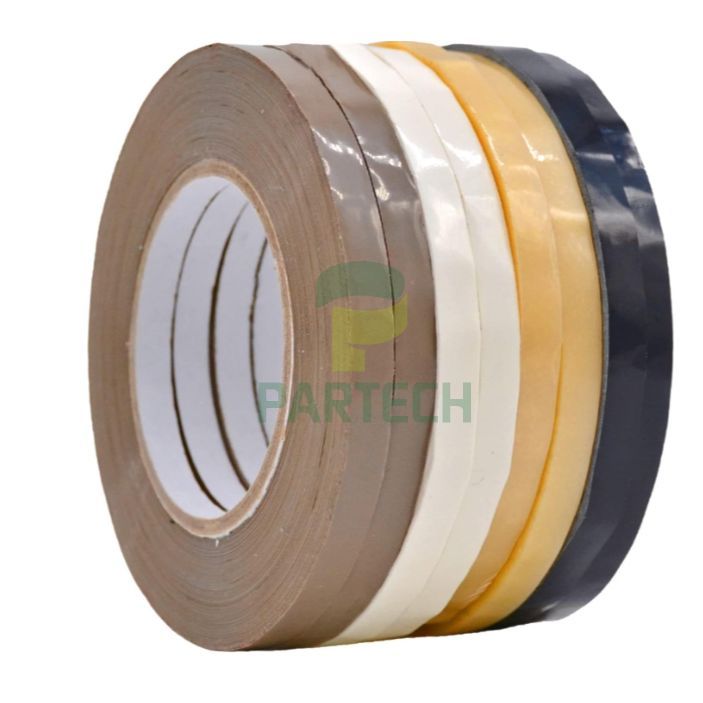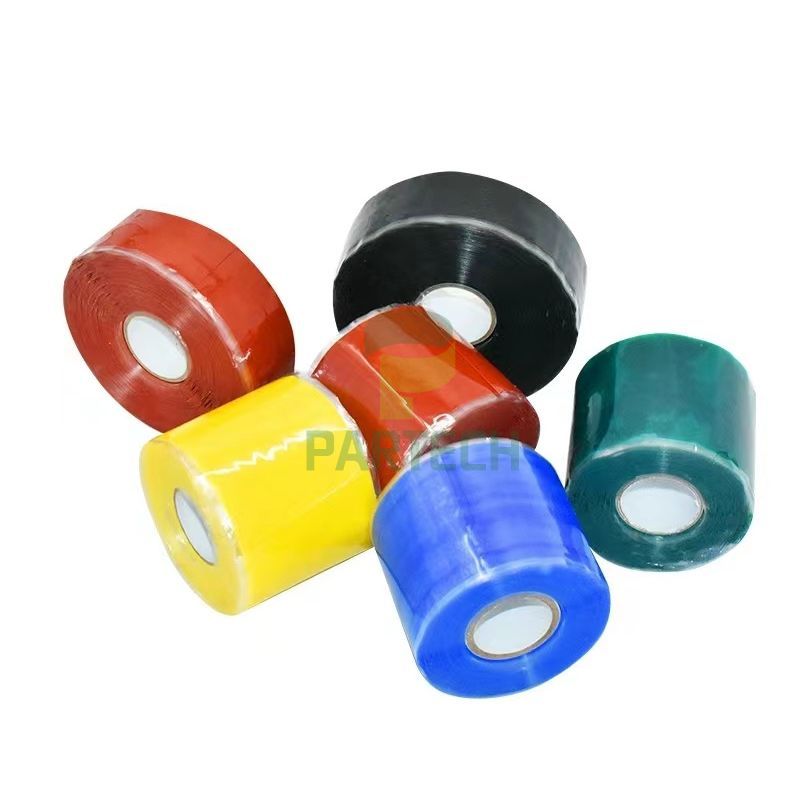

The adhesive strength of transparent tape is not absolute and is affected by various factors such as adhesive type, thickness, and application scenario. Specifically, it can be analyzed from the following aspects:
Adhesive Type and Formulation
Common Adhesive Types:
Water-based adhesives: Environmentally friendly, but with relatively weak adhesion, suitable for temporary bonding or lightweight items (such as document organization).
Hot melt adhesives: Melts upon heating and solidifies upon cooling, offering strong and long-lasting adhesion, commonly used in packaging and industrial applications.
Pressure-sensitive adhesives (acrylic adhesives): Moderate adhesion, good weather resistance, suitable for everyday office use and general packaging.
Formulation Differences: High-quality tapes have adhesive formulations that prioritize a balance between initial tack and holding power (long-term adhesion). Inferior tapes may experience a rapid decline in adhesion due to impurities in the adhesive or improper formulation.
Tape Thickness and Substrate
Thickness: Generally, thicker tapes (e.g., 50μm and above) have a more abundant adhesive coating, resulting in better adhesion and tensile strength; thinner tapes (e.g., below 30μm) may have weaker adhesion and are more prone to breakage.
Substrate Material:
BOPP (Polypropylene): A common substrate with high transparency. Adhesion is related to thickness. High-quality BOPP tape has a smooth surface and even adhesive distribution.
PET (Polyester): A more durable material with high temperature resistance and strong adhesion, often used in industrial or high-strength packaging.
Usage Environment and Scenarios
Temperature: Adhesive hardens and adhesion decreases at low temperatures (e.g., tape may be less sticky in winter than in summer); adhesive may melt and seep out at high temperatures, affecting adhesion (and even leaving adhesive residue).
Packing Surface: Smooth surfaces (e.g., glass, metal) are easier to stick to and have better adhesion than rough surfaces (e.g., cardboard, fabric); dust and oil on the surface significantly reduce adhesion.
Initial Tack Test
Tear the tape open and quickly stick it to the surface of the object. Press gently, then immediately lift the tape. Observe whether it adheres firmly (inferior tape may peel off easily).
Holding Power Test
After sticking, leave it for a period of time (e.g., 24 hours) and observe whether it peels off or curls up. High-quality tape maintains stable adhesion even after long-term use.
Tensile Strength Test
Pull the tape forcefully. If the tape breaks easily, the substrate or adhesive may be of poor quality, and the adhesion will not last.
Adhesive Residue Test
After peeling off the tape, observe whether a large amount of adhesive residue remains on the surface of the object. High-quality tape leaves little residue even after peeling, while inferior tape may leave significant residue.
Scenario | Adhesion Requirements | Recommended Type | Precautions
Daily Office Use | Light Adhesion (Documents, Paper) | Thin Pressure-Sensitive BOPP Tape | No high adhesion required, avoids adhesive residue when tearing paper.
Express Packaging | High-Strength Adhesion, Tear-Resistant | Thick Hot Melt BOPP Tape (≥50μm) | Choose a wide width (48mm or more) to ensure secure sealing.
Industrial Use | High Temperature Resistance, Long-Lasting Adhesion | PET-Based Acrylic Tape | Temperature range needs to be confirmed (e.g., -10℃~120℃), suitable for production line use.
Low Temperature Environment | Special Cold-Resistant Formula Tape (Note: "Suitable for Low Temperatures") | Ordinary tapes show a significant decrease in adhesion below 0℃, requiring specialized models.
Consider Brand and Reputation: Choose well-known brands such as 3M, Deli, and Chenguang for more stable quality control; avoid low-priced, generic tapes (e.g., those costing only a few cents per roll), as the adhesive may contain formaldehyde or have extremely poor adhesion.
Check product parameters: The product details page should specify the thickness (μm), adhesive type, and applicable temperature range. Be cautious when purchasing products without clearly defined parameters.
Buy a sample first: Before bulk purchasing, buy a small quantity to test the adhesion to ensure it meets your needs, especially for applications requiring high adhesion, such as packaging.
The adhesive strength of transparent tape is relative: high-quality tape exhibits excellent adhesion under suitable conditions (e.g., room temperature, smooth surface), while inferior tape or improper use (e.g., low temperature, rough surface) may result in insufficient adhesion. When purchasing, consider the intended use, environment, and material, prioritizing products with clearly defined parameters and from reliable brands.