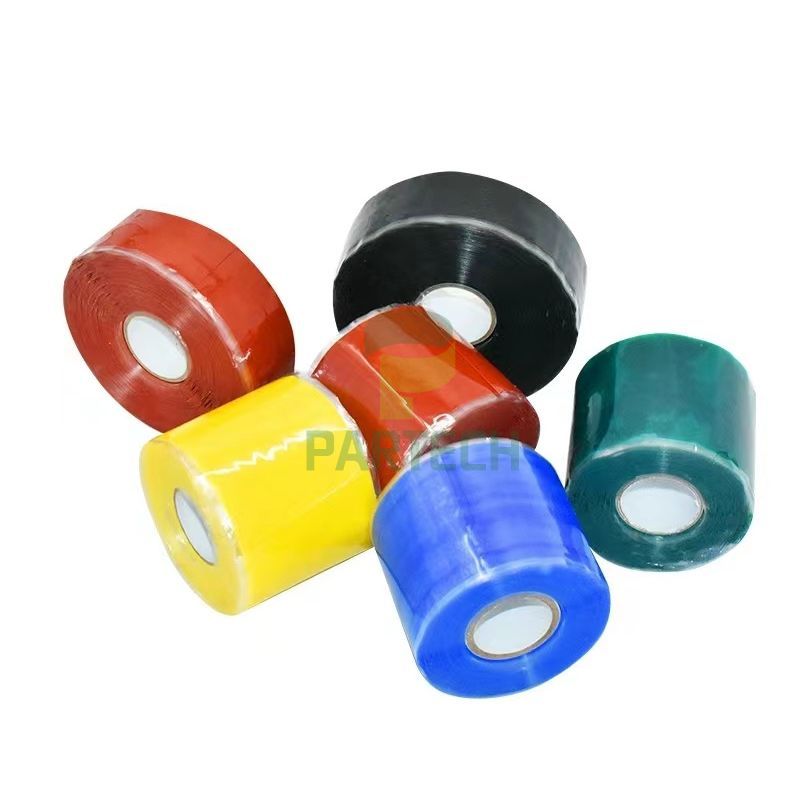

Ordinary packaging sealing tape (BOPP biaxially oriented polypropylene) is an indispensable item in the lives of any business, company, or individual. Due to its relatively low technological content and the large number of domestic manufacturers, the products on the market vary greatly in quality. Furthermore, the domestic tape industry is still at a low technological level, and there is no comprehensive national standard for tape. Many consumers believe that tape is cheap and has a good tack, but this is incorrect.
The tape is made by roughening one surface of BOPP film through high-voltage corona treatment, coating it with adhesive, and then slitting it into small rolls. Therefore, the strength of the tape depends primarily on the quality and thickness of the BOPP film. BOPP film made from high-quality raw materials has good brightness, strong flexibility, and few impurities or black spots. Tape made from this film generally does not contain color powder to mask impurities, so the finished transparent tape is pure white. After about a week, the transparency of tape up to 100 meters long remains very high. The thickness of a typical BOPP film is between 28 and 30 micrometers. However, due to the reduced strength of BOPP films partially mixed with recycled materials, the film thickness is increased. This type of tape feels very thick to the touch, but its strength is poor, and its shelf life is short. Significant aging occurs after about six months, the surface becomes brittle, and it breaks easily. Ordinary sealing tape uses acrylic adhesive, also known as pressure-sensitive adhesive, whose main component is ester. Ester is a highly reactive polymer, and temperature affects its molecular activity. The ester content of the adhesive directly affects the tape's performance. Many people mistakenly believe that a stickier feel indicates better adhesive.
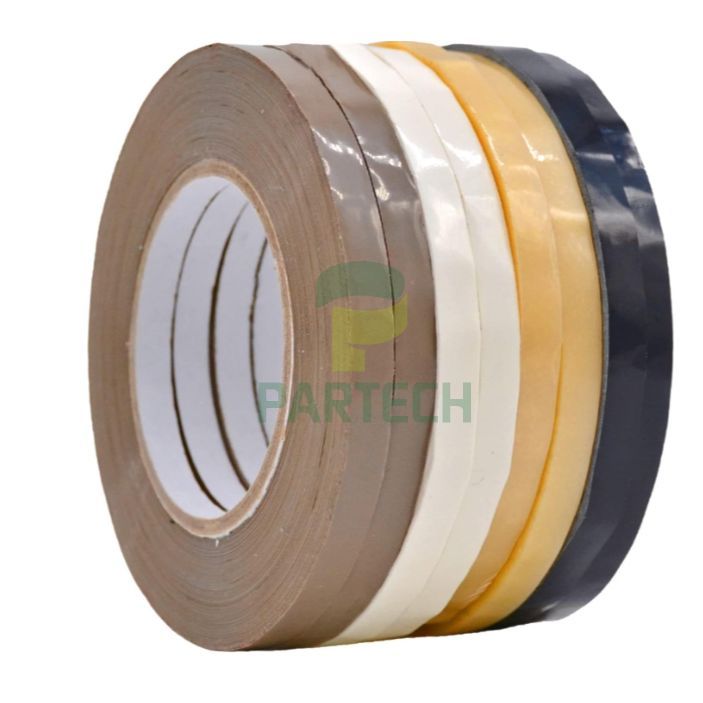
There are two standards for judging the quality of tape adhesive: initial tack and holding power, which are inversely proportional. Generally, tapes with an initial tack below 10 have a low adhesive coating, typically only around 20 micrometers, such as stationery tape and ordinary promotional bundling tape. Normal sealing tape has an initial tack strength between 15 and 20, and the adhesive thickness is generally 22-28 micrometers, which meets the standard thickness. However, most tapes on the market currently contain impurities, increasing their thickness. To mask these impurities, color powder is often added to the adhesive, resulting in transparent tape appearing egg-yolk or light green. This type of tape is generally of inferior quality. How can you distinguish good from bad colored tape? Colored tape is used for marking and masking purposes, and is usually beige or tan. Many people mistake the color of the tape for the film, but it's actually the color of the adhesive. Pinch the two pieces together tightly and then quickly pull them apart. If you can pull one side of the adhesive off, you can see the purity and transparency of the original film. Most importantly, you can see the thickness of the adhesive. If no adhesive is pulled apart or only a few dots are pulled apart, the adhesive contains a lot of impurities and lacks cohesion.
Secondly, there is too much moisture, which has already evaporated. In this case, the initial tack strength of the tape has decreased significantly, which can be felt by hand. When applying colored tape to an object, the thicker the tape, the better its opacity, and the higher its quality. Comparing the appearance of different tapes, those with less tape and adulteration will have a very dark overall color, and when pulled apart, the tape will be highly translucent. Good quality tape will have a similar color throughout the roll as it is when pulled apart, because it has excellent opacity and there is no color layering. Inferior tapes with adulteration require an outdated direct application method to coat the BOPP film with impurities, often resulting in large impurity particles not being completely dissolved, causing jamming and leaving lines (areas without adhesive) on the tape during use. Good quality tape uses a soft-scrape transfer application method, eliminating these lines (printed tape may experience ink leakage or underprinting, which is related to the printing press).
Another way to distinguish them is by looking at the surface of the tape. Freshly slit tape usually has air bubbles, which will mostly dissipate after a week. Tape made with pure varnish adhesive has a smooth surface without any white spots. Tape containing impurities has many irregularly distributed white spots that don't dissipate when pressed, unlike air bubbles. In summary, you can generally judge the quality of tape by its appearance. Another crucial factor in distinguishing good from bad tape is not relying solely on feel for stickiness. Adhesive tape containing impurities has very high initial tack before it evaporates. To test its holding power, stick the tape to an object and then quickly pull it apart. Repeat this several times, and you'll notice a significant decrease in stickiness. Adhesive tape containing impurities typically uses gasoline and acid for dissolving the adhesive, resulting in a very strong odor. Reputable large companies use toluene for dissolving, which evaporates during the coating process.
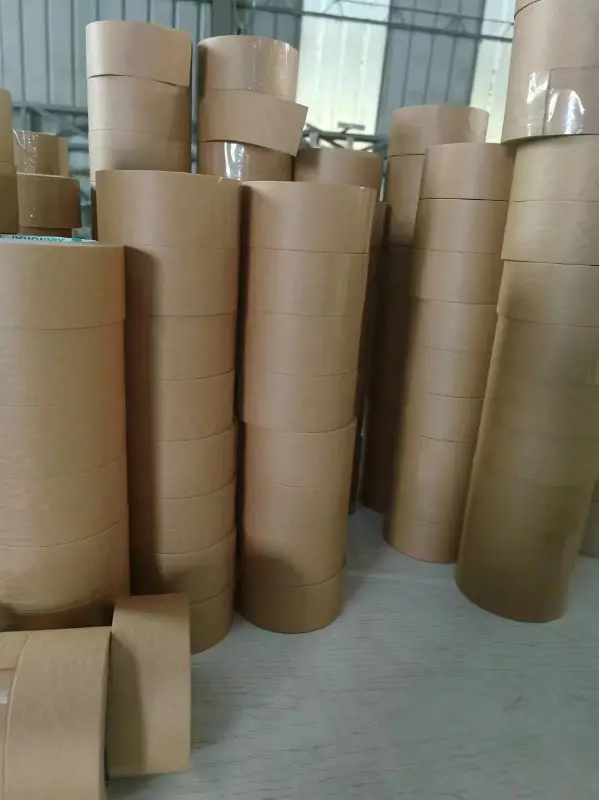
After all this explanation, you might ask, what's the difference between good and bad tape in use? Actually, the purpose of using tape isn't just to make it stick, but to ensure it adheres firmly and doesn't separate. Most tapes containing impurities will break apart after a period of packaging work (between 20 minutes and 1 hour) and cannot be re-applied, especially in low temperatures and windy, dry conditions. Furthermore, inferior tapes are easily broken and have very low strength, mainly related to the quality of the film. Reputable manufacturers use high-density paper tubes for their tapes, with no paper scraps on the cut surface. The paper tube thickness is 3mm for tapes under 100 meters and 4-5mm for tapes over 100 meters. Small businesses, to deceive consumers, use thicker paper tubes, often 5-7mm thick, which may appear larger, but the adhesive thickness is easily noticeable. Therefore, when choosing tape, it is essential to carefully check its width and thickness. Also, note that inferior tape often contains numerous impurities, resulting in imperceptible gaps between the strips during winding. This means that the same length of tape will be rolled out larger, deceiving consumers. For fast-moving and single-use consumer goods like tape, which are heavily reliant on energy, small businesses typically lack their own technological capabilities and must purchase everything from BOPP film to adhesives. Consequently, they often resort to cost-cutting measures and shoddy workmanship.