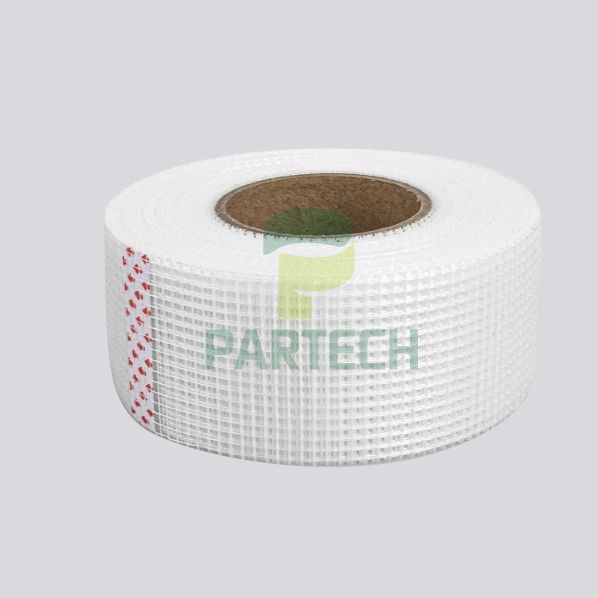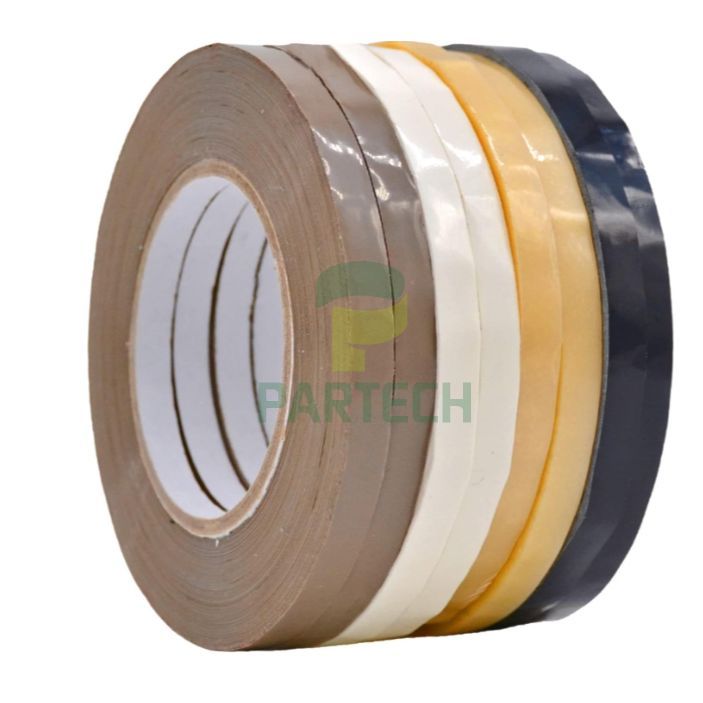

With the rapid development of modern science and technology, nanotechnology has become a highly regarded field. Its applications are wide-ranging, one of which is nano-adhesive tape. Nano-adhesive tape is a type of tape made using nanoscale materials, and its unique properties and functions have brought revolutionary changes to various industries. Below, we will introduce in detail the principles, characteristics, application areas, and importance of nano-adhesive tape in modern society.
Nano-adhesive tape is a type of tape made using nanoscale materials. Nanotechnology is a technique for studying nanoscale materials and phenomena; the nanoscale refers to the range of sizes between 1 and 100 nanometers. Due to their size approaching the atomic and molecular scale, nanoscale materials exhibit many unique properties, such as high strength, high electrical conductivity, high thermal conductivity, and unique optical effects.
Nano-adhesive tape typically uses nanoscale materials, such as nanofibers and carbon nanotubes, manufactured through special processing techniques. These nanoscale materials endow nano-adhesive tape with unique properties, giving it excellent adhesive properties and suitability for various complex environments.
Nanotapes possess many unique characteristics, making them a rising star in the field of adhesive technology:
Strong Adhesive Force: The nanoscale materials endow nanotapes with strong adhesive force, enabling them to firmly bond various materials, such as metals, plastics, and glass.
Flexibility: Nanotapes exhibit high flexibility and plasticity, making them suitable for bonding various curved surfaces and complex shapes.
Ultra-thin Design: The thickness of nanotapes is typically between a few nanometers and tens of nanometers, allowing for ultra-thin bonding effects without increasing the thickness or weight of the material.
High Temperature Resistance: Some nanotapes possess high high temperature resistance, maintaining stable adhesive performance even at high temperatures.
High Conductivity: Some nanotapes exhibit high conductivity, making them suitable for bonding and conductive connections in electronic devices.
High Chemical Resistance: Nanotapes exhibit good chemical resistance, resisting corrosion and oxidation.
Nanotapes have wide applications in various fields, bringing convenience and efficiency to people's lives and work:
Electronics Industry: Nanotapes can be used to bond components of electronic devices, such as microchips, wires, and electrodes, improving the performance and stability of electronic devices.
Medical Field: Nanotapes can be used in the biomedical field, such as for repairing tissues and bonding medical devices, providing new solutions for medical treatment.
Materials Engineering: Nanotapes can be used to bond and reinforce materials, such as enhancing the strength and toughness of fiber materials.
Environmental Protection: Nanotapes can be used to fix and bond environmental protection facilities, such as wastewater treatment devices and environmental protection equipment.
Aerospace: Nanotapes can be used in the aerospace field, such as for bonding the structure and components of spacecraft, improving the performance and safety of spacecraft.
Construction Engineering: Nanotapes can be used to bond building materials, such as glass, metal, and stone, improving the stability and durability of building structures.
As an application of nanotechnology in the field of adhesive technology, nanotapes have enormous potential for future development:
Advances in Manufacturing Processes: With continuous improvements in manufacturing processes, the production cost of nanotapes will further decrease, making them more widespread and accessible.
Application of New Materials: With the emergence of new materials, nanotapes will be applicable to more fields and industries, providing people with more choices.
Enhanced Functionality: The continuous development of nanotechnology will further enhance the functionality of nanotapes, such as stronger adhesion, higher conductivity, and chemical resistance, further expanding their application range.
Intelligentization and Self-Healing: With the development of nanotechnology, nanotapes are expected to achieve intelligent and self-healing functions. For example, nanotapes can automatically adjust their adhesive force through sensors to adapt to different environments and needs. Furthermore, nanotapes may also possess self-repairing capabilities, automatically repairing themselves when damaged, extending their service life.
Biomedical Applications: Breakthroughs in nanotechnology will broaden the application of nanotapes in the biomedical field. For example, nano-adhesive tapes can be used to bond and repair tissues such as bones and muscles, promoting tissue regeneration and treatment.
Environmentally Friendly: With increasing demands for environmental protection, nano-adhesive tapes are expected to develop in a more environmentally friendly direction. Using biodegradable nanomaterials to manufacture nano-adhesive tapes will help reduce environmental impact and improve their sustainability.
The widespread application and continuous innovation of nano-adhesive tapes are of great significance in modern society:
Promoting Technological Development: The application of nanotechnology has driven technological progress, providing new ideas and solutions for development in other fields.
Improving Production Efficiency: The high-efficiency adhesive properties of nano-adhesive tapes improve production efficiency and reduce waste of manpower and time.
Improving Quality of Life: The application of nano-adhesive tapes makes people's lives more convenient, comfortable, and safe, improving their quality of life.
Reducing Resource Waste: The ultra-thin design and high adhesive strength of nano-adhesive tapes reduce the amount of material used, reducing resource waste.
Promoting Environmental Development: Using environmentally friendly nanomaterials to manufacture nano-adhesive tapes helps reduce the use of traditional materials such as plastics, advancing environmental protection efforts.
Nanotapes, as an application of nanotechnology in the field of adhesive technology, have brought revolutionary changes to various industries due to their unique properties and functions. Their strong adhesion, ultra-thin design, high conductivity, high temperature resistance, and environmental friendliness have led to their wide application in the electronics industry, medical field, materials engineering, environmental protection, aerospace, and construction engineering. With the continuous development of nanotechnology, nanotapes are expected to achieve even greater breakthroughs in areas such as intelligentization, self-healing, biomedical applications, and environmental friendliness. Their importance lies in promoting technological development, improving production efficiency, enhancing quality of life, reducing resource waste, and promoting environmentally friendly development. By continuously promoting the innovation and application of nanotape technology, we can create a more convenient, efficient, and environmentally friendly living and working environment for people.