
In daily life, product labels, stickers and transparent tape can leave stubborn adhesive residue after removal. Old tape that has deteriorated or started peeling away may also leave behind sticky deposits that are difficult to clean. The right removal method depends on the surface material and the type of adhesive involved.
For stubborn adhesive residue, use a commercial adhesive remover suitable for the affected surface. Apply a small amount to a clean tissue or soft cloth and gently wipe the sticky area. The dissolved adhesive can then be lifted away with the cloth. Always follow the product instructions and test it on an inconspicuous area first.
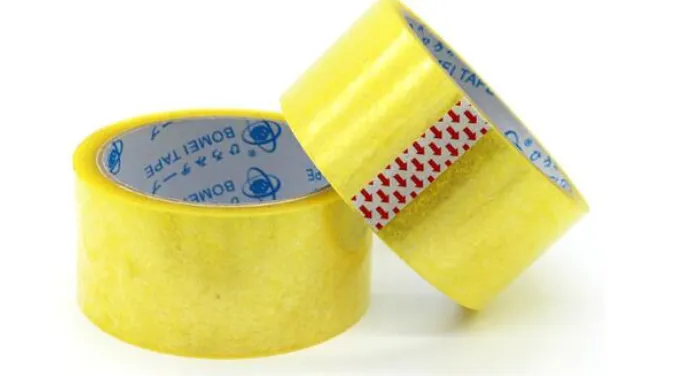
For certain types of aged adhesive residue, the bonding principle of fresh tape can help remove the remaining sticky material. Press a new piece of transparent tape firmly onto the residue, then peel it away slowly. Repeat as necessary until the adhesive is lifted from the surface.
For residue on suitable non-porous surfaces, an adhesive remover may also help soften the remaining glue. Avoid using gasoline, lacquer thinner or other highly flammable solvents as household cleaning solutions, particularly indoors.
For small areas of adhesive residue, gently rubbing with a clean eraser may help remove the sticky material. Alternatively, a small amount of hand cream or skincare lotion can help soften certain adhesive residues and make them easier to wipe away.
After applying the cream, allow it to sit briefly before wiping with a soft cloth. Clean the remaining oily residue with an appropriate surface cleaner. Test first, especially on painted, plastic or delicate surfaces.
For suitable glass, ceramic and glazed tile surfaces, warm water mixed with a small amount of dish soap can help loosen adhesive residue and remove surrounding dirt. Apply the solution with a soft cloth, allow it to work briefly and wipe the surface clean.
For particularly stubborn residue, use a surface-compatible adhesive remover according to its instructions. Avoid mixing different cleaning chemicals, as incompatible ingredients may produce hazardous reactions.
A small amount of non-gel toothpaste may help remove light adhesive marks from some hard, smooth surfaces. Apply a thin layer, leave it for approximately 10 minutes and gently wipe with a soft, damp cloth.
Because toothpaste can have an abrasive effect, test it on an inconspicuous area first. Avoid using this method on delicate finishes, polished surfaces or materials that are easily scratched.
Removing transparent tape residue does not always require aggressive cleaning products. Choosing a suitable removal method based on the adhesive and surface material can make the process easier while helping protect the original finish.