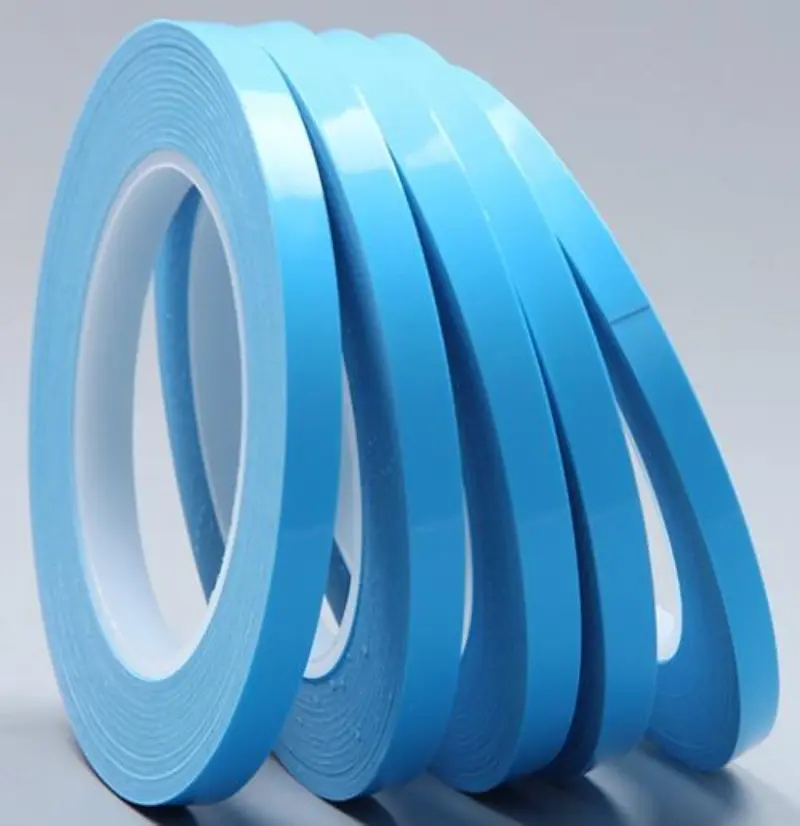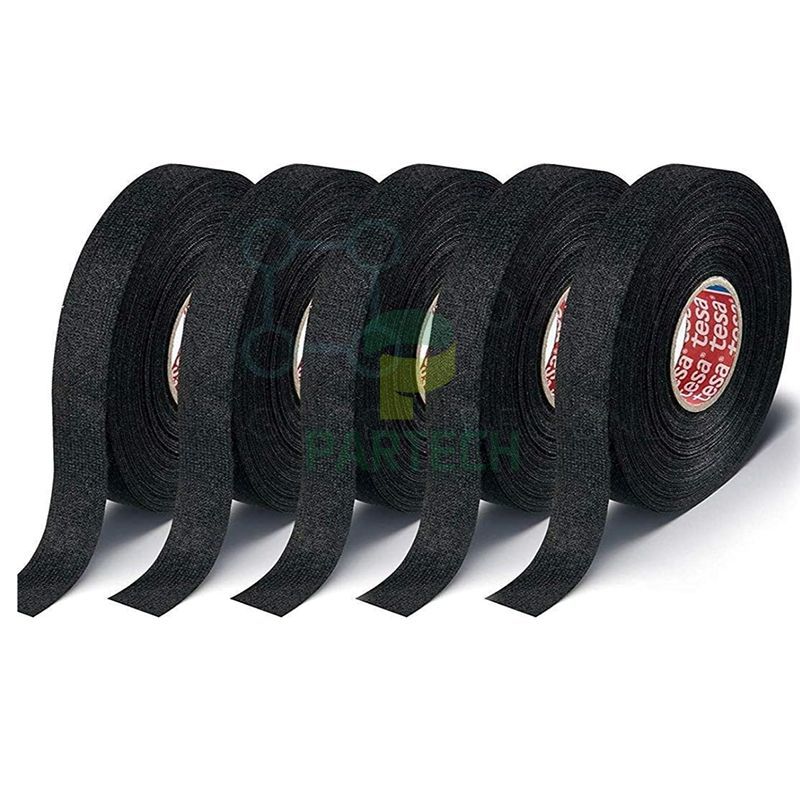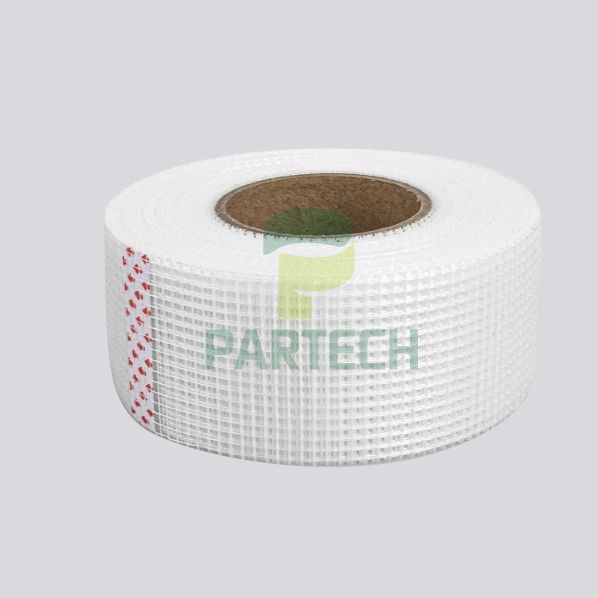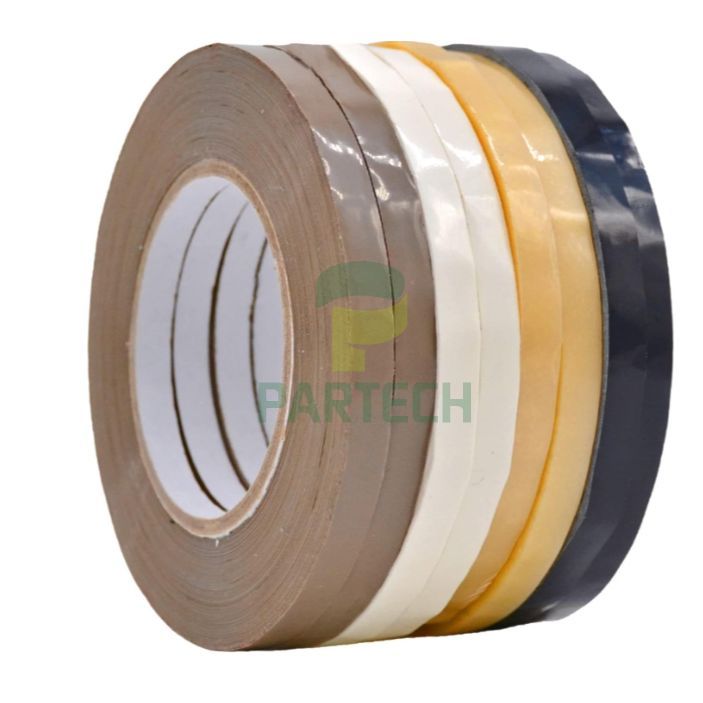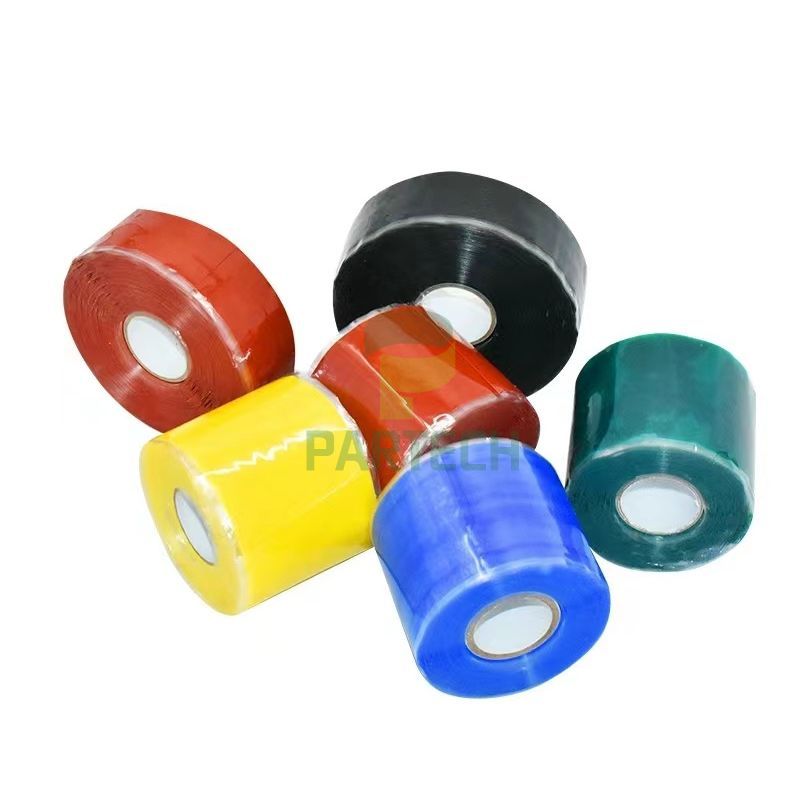

Substrate-free double-sided tape, also known as non-woven tape or backingless tape, is a special type of tape. Unlike traditional tapes, it lacks a substrate; instead, double-sided adhesive is directly applied to one or both sides to create a double-sided bond. Due to its unique structure and excellent performance, substrate-free double-sided tape is widely used in many fields. The following details the characteristics, applications, manufacturing process, and future development trends of substrate-free double-sided tape.
Substrate-free structure: Substrate-free double-sided tape lacks the substrate of traditional tapes, consisting solely of double-sided adhesive. This gives it greater flexibility and plasticity, adapting to various surface bonding needs.
Strong adhesion: The double-sided adhesive used in substrate-free double-sided tape has excellent adhesion, firmly bonding to various material surfaces, whether smooth or rough.
High-temperature resistance: Substrate-free double-sided tape exhibits good high-temperature resistance, maintaining adhesion and stability in high-temperature environments, making it suitable for various high-temperature applications.
Waterproof and Moisture-proof: Because substrate-free double-sided tape does not absorb water, it has excellent waterproof and moisture-proof properties, allowing for use in humid environments and maintaining adhesion for a long time.
Transparency: Substrate-free double-sided tape typically has high transparency, making it excellent for bonding and decorating transparent materials.
Substrate-free double-sided tape has wide applications in various industries.
The following are some of the main application areas:
Packaging and Sealing: Substrate-free double-sided tape can be used for sealing and sealing packaging boxes, cartons, bags, etc., providing a fast, convenient, and strong adhesive effect.
Printing and Decoration: Substrate-free double-sided tape is widely used in the printing and decoration fields. It can fix printed materials, photos, decorations, etc., keeping them flat and firmly adhered in the required position without damaging the surface material.
Automotive Industry: Substrate-free double-sided tape plays an important role in automobile manufacturing and repair. It can be used to fix automotive parts, trim strips, rubber seals, etc., providing a reliable adhesive effect and possessing high temperature resistance, weather resistance, and chemical resistance.
Electronic Products: Substrate-free double-sided tape has wide applications in electronic product manufacturing and assembly. It can be used to fix circuit boards, electronic components, screen protectors, etc., providing stable adhesion and electrical insulation properties.
Construction and Decoration: Substrate-free double-sided tape is widely used in the construction and decoration industry. It can be used to fix building materials such as glass, mirrors, and metal plates, and can also be used as a decorative material for interior design and decoration.
Electronic Products: Substrate-free double-sided tape plays an important role in electronic product manufacturing and assembly. It can be used to fix circuit boards, electronic components, screen protectors, etc., providing stable adhesion and electrical insulation properties.
The manufacturing process of substrate-free double-sided tape typically includes the following steps:
Double-sided adhesive preparation: Select a suitable double-sided adhesive, usually a pressure-sensitive adhesive, and design and prepare the formulation.
Coating: Apply the double-sided adhesive evenly to one or both sides of the substrate to form the adhesive layer of the double-sided tape.
Adhesive preparation: Drying and Curing: The applied adhesive layer is dried and cured to achieve the desired adhesion properties and stability.
Cutting and Winding: The substrate-free double-sided tape is cut to the required width and length and wound into rolls for easy use and storage.
As a special type of adhesive tape, substrate-free double-sided tape has a unique structure and excellent performance. Its future development trends may include the following aspects:
Innovative Materials: Developing new double-sided adhesive materials to improve the performance and application range of substrate-free double-sided tape. For example, developing adhesive materials with higher temperature resistance, chemical corrosion resistance, and aging resistance to meet more demanding application requirements.
Environmental Sustainability: With increasing environmental awareness, future substrate-free double-sided tapes may focus on developing more environmentally friendly and sustainable materials and manufacturing processes. For example, developing biodegradable adhesive materials to reduce environmental impact.
Automation Applications: With the development of automation technology, substrate-free double-sided tape may be combined with robots and automated equipment to achieve more efficient and precise bonding and encapsulation. This will improve production efficiency and product quality, and expand the application areas of substrate-free double-sided tape.
Multifunctional Design: Future substrate-free double-sided tapes may emphasize multifunctional design. For example, combining waterproof, fireproof, and heat insulation functions to meet the needs of different industries and application scenarios.
Intelligent Applications: Integrating intelligent technologies, substrate-free double-sided tapes with sensing, tracking, and monitoring functions will be developed. This will adapt to the needs of smart homes, smart logistics, and other fields, providing more intelligent solutions.
Substrate-free double-sided tape is a special type of tape product with a substrate-free structure, strong adhesion, high temperature resistance, waterproof and moisture-proof properties, and high transparency. It is widely used in packaging, printing, automotive, construction, electronics, and many other fields. In the future, with continuous innovation in materials and technologies, substrate-free double-sided tape is expected to develop higher-performance, more environmentally friendly and sustainable materials, expand intelligent applications, achieve multifunctional designs, and combine with automation technologies to provide more diversified, efficient, and innovative solutions for various industries.