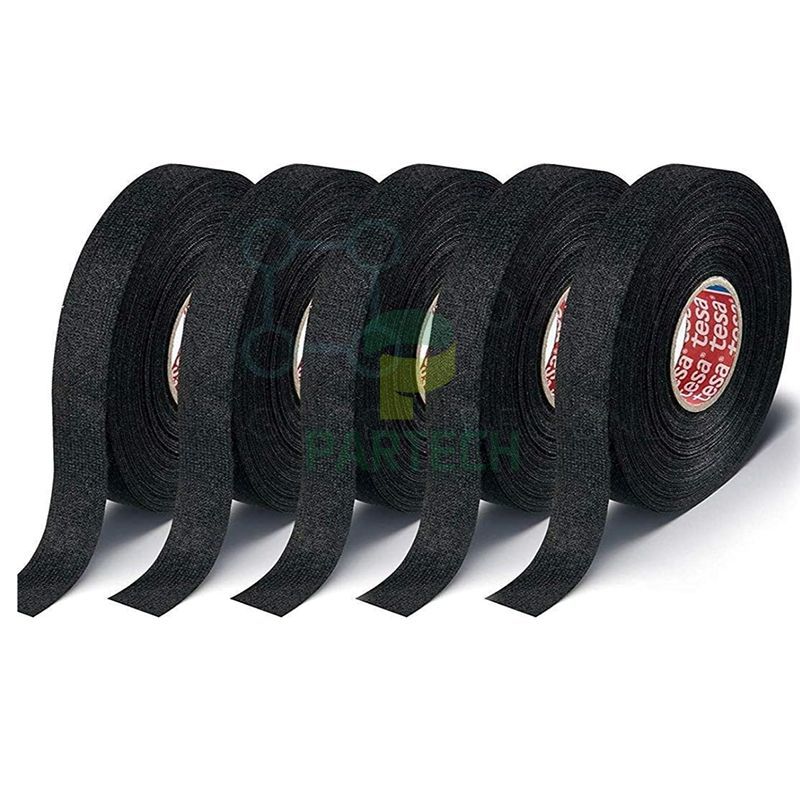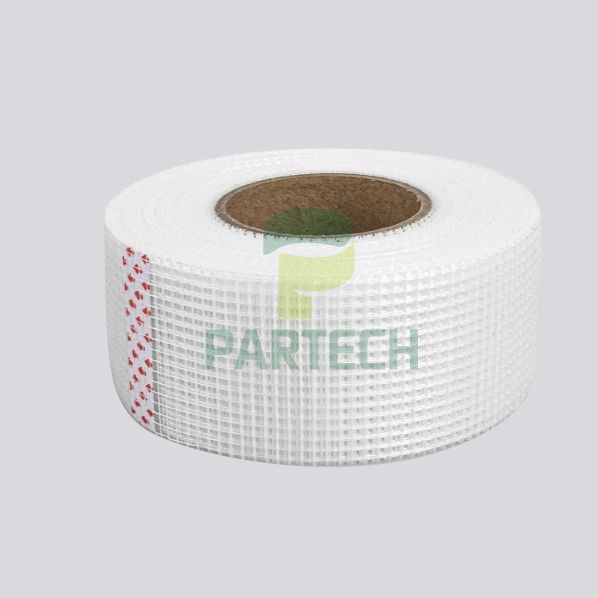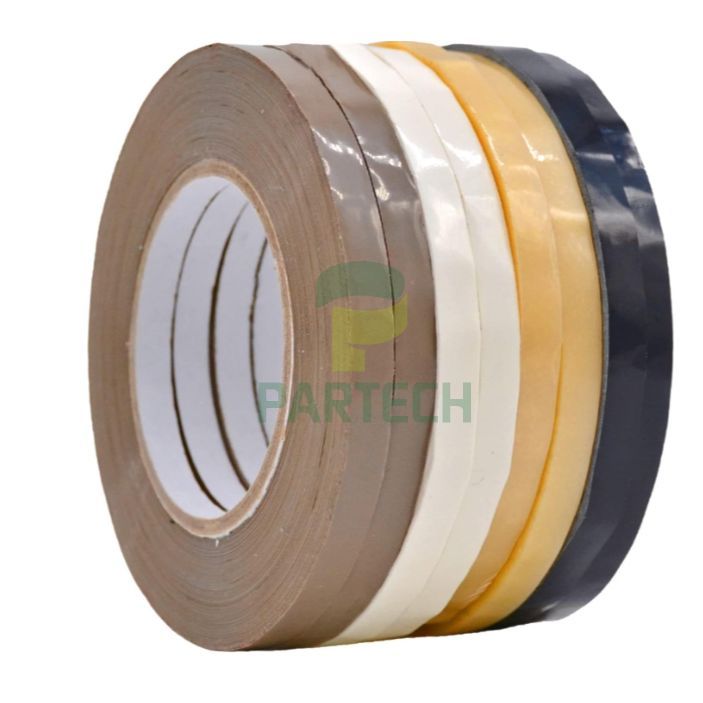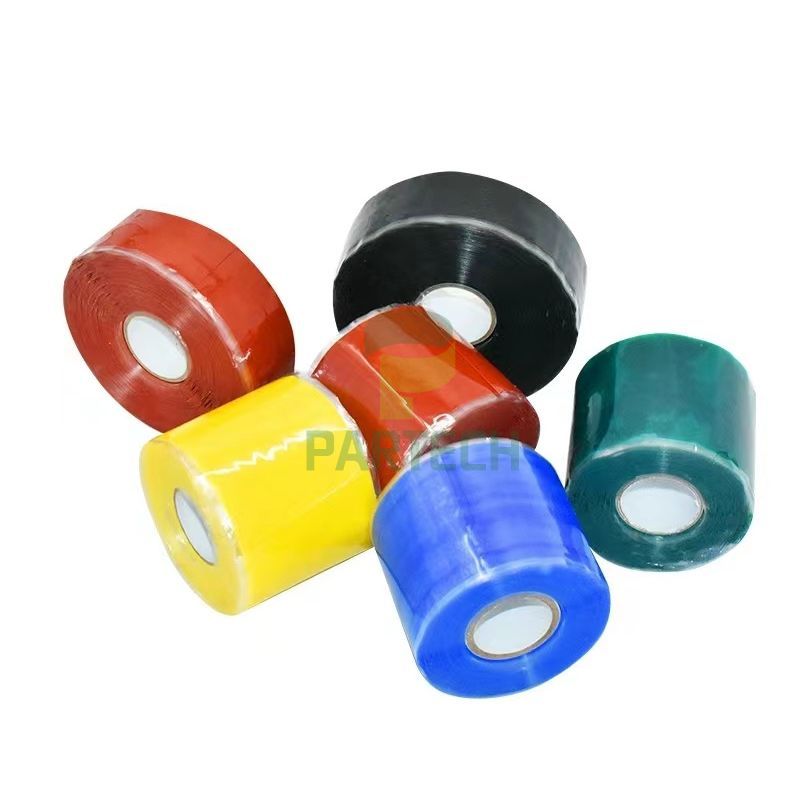

Among adhesive tapes, matte cloth tape is a "low-key powerhouse." Unlike glossy tapes, it doesn't reflect light harshly; its matte texture exudes a calm and collected feel, yet it demonstrates remarkable strength in toughness, adhesion, and versatility, making it a valuable tool in industrial, home, and artistic applications.
The strength of matte cloth tape comes from its unique construction. Made with cotton or non-woven fabric as the base material, its matte finish prevents light reflection; the adhesive layer uses high-viscosity rubber or acrylic material, which not only firmly bonds to objects but can also be easily torn along with the substrate without easily breaking. This "combination of strength and flexibility" makes it particularly outstanding on rough surfaces—whether it's cement walls, wood, or metal, it adheres tightly without easily peeling off the edges like ordinary tape.
In industrial settings, it acts as an "invisible fastener." In workshops, its strong material can withstand long-term stretching when securing pipes and binding heavy parts. During stage construction, it's used to secure cables and attach backdrops; its matte surface prevents glare under lights, ensuring a clean stage appearance. In logistics and transportation, its tear resistance is superior to ordinary tape when packaging large goods, eliminating worries about the tape breaking during transport.
In home life, its "textured advantage" is particularly evident. During renovations, its matte surface provides temporary protection, blending seamlessly with walls and furniture. When repairing canvas bags, tents, and other fabric items, its color closely matches the fabric, resulting in a barely noticeable finish. It can even serve as a temporary "decorative strip," attached to the edges of bookshelves and table corners, protecting furniture while adding a touch of understated beauty.
In artistic creation, it's also a "creative helper." Craft enthusiasts use it to piece together fabric art and fix installations; its matte texture enhances the sophistication of their creations. Film prop crews frequently use it to create temporary sets, as it's quick to apply and easy to remove later, leaving no noticeable glue residue.
A little trick for using matte fabric tape: for precise cutting, use a craft knife and ruler to cut neatly than torn by hand; after applying, press it down with a roller to ensure better adhesion and strengthen the bond. For long-term use, choose a model with a temperature resistance range of -10℃ to 60℃ to adapt to varying environmental temperatures.
From heavy-duty fixing in industrial workshops to creative patchwork in art studios, matte fabric tape packs powerful performance into its understated appearance. It proves that true practicality often comes with its own quality, without needing to be ostentatious.