
There is a wide variety of double-sided tapes available, but how does one tell them apart? It is actually quite simple: you merely need to identify the specific base material used in each type. But just how many common varieties of double-sided tape are there? Today, we will take a closer look and analyze them together.
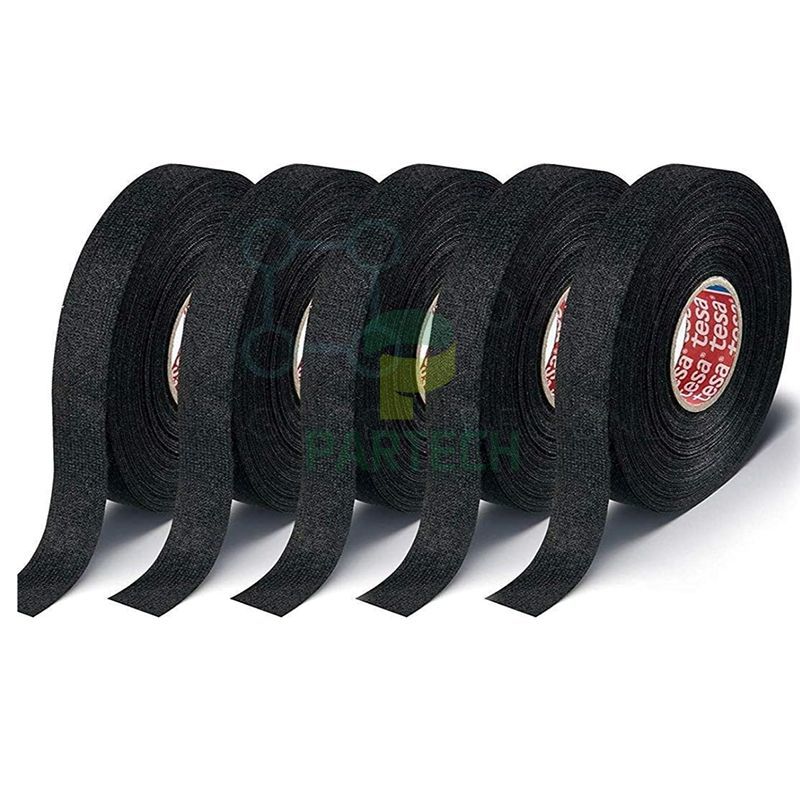
This type of double-sided tape utilizes a cotton fabric base material, coated on both sides with a high-tack pressure-sensitive adhesive, and is manufactured using double-sided release liners to serve as an anti-stick layer. Characterized by high adhesion, ease of peeling, and convenient application, this tape is suitable for use in the apparel, decoration, interior renovation, postal, and manufacturing industries.
This product series is manufactured using crepe paper (including colored varieties) and rubber-based adhesives as raw materials. It features residue-free removal and ease of use, making it widely applicable for paint masking and surface protection—whether in high-temperature environments or at room temperature—as well as for general securing purposes. It is suitable for paint baking and component fixation processes in the electronics, hardware, and appliance industries, as well as for use in office supplies and the construction sector.
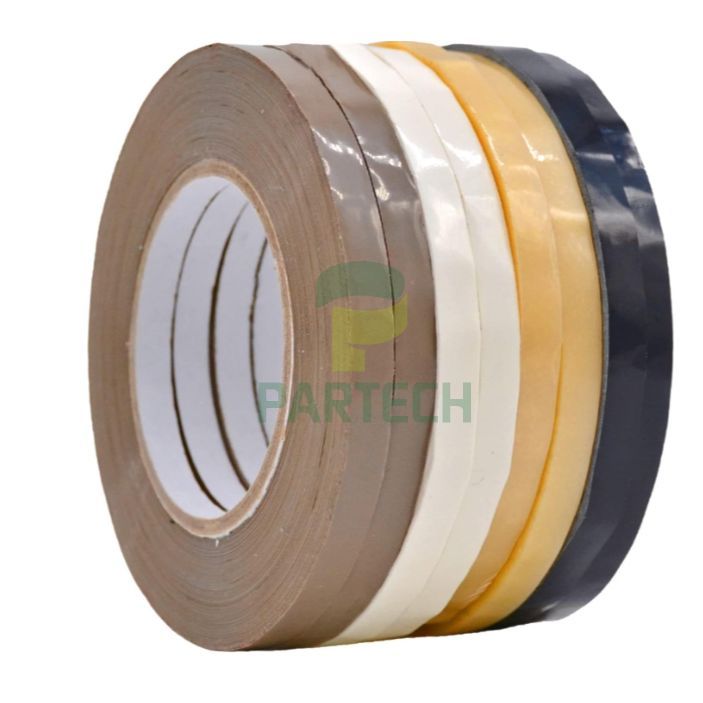
Constructed with a kraft paper base material and coated with either a hot-melt adhesive or a rubber-based pressure-sensitive adhesive, this tape is primarily used for carton packaging, paper splicing in the papermaking industry, lint removal from clothing, and applications requiring the subsequent peeling of a PE layer for further processing. It is classified as an eco-friendly adhesive tape.
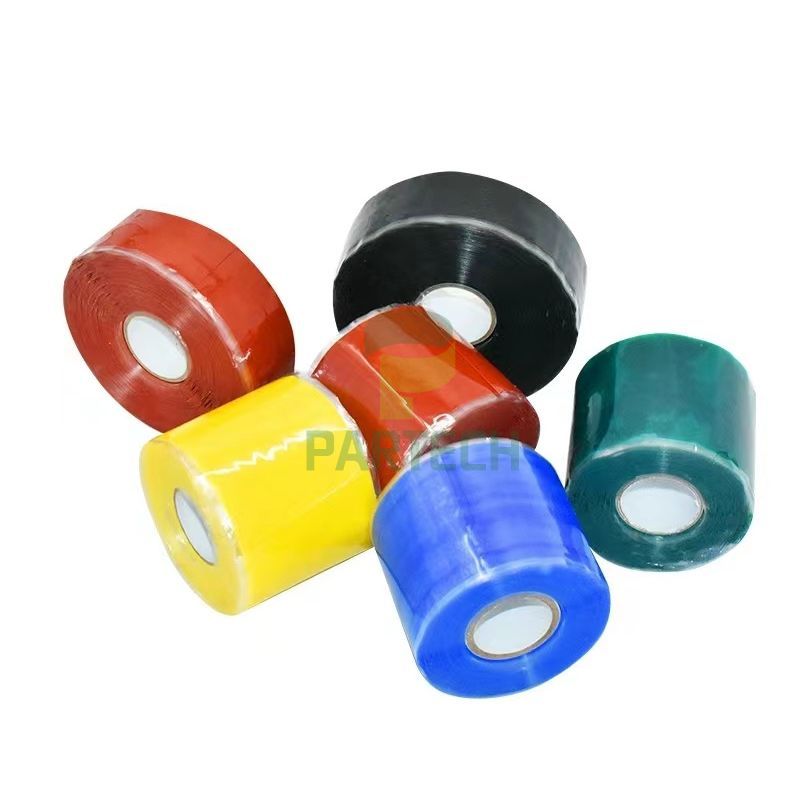
This product series is primarily manufactured using waterproof cloth, rubber-based adhesives, and hot-melt adhesives as raw materials. Available in a variety of colors, it allows for color-coding and differentiation within construction work zones. It features strong moisture resistance and is suitable for heavy-duty carton sealing, as well as for cable bundling and floor protection applications. It is widely used for securing carpet seams and for providing surface protection during construction and renovation projects.