
As a product characterized by "high frequency, low value, and easy neglect," the key to upgrading the brand image of packaging tape lies in transforming "environmental protection" from an "added attribute" into a "key reason for users to choose it."
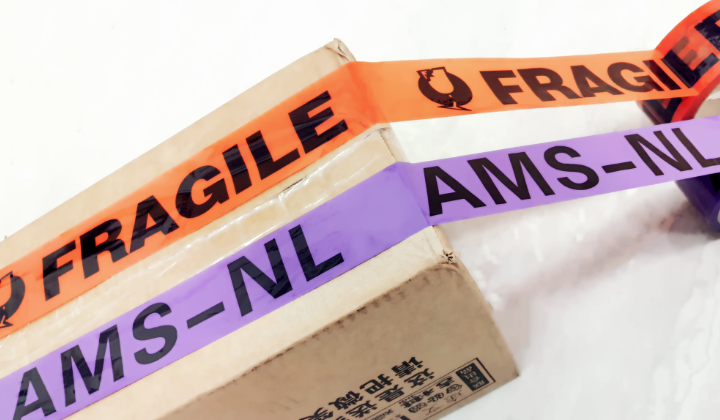
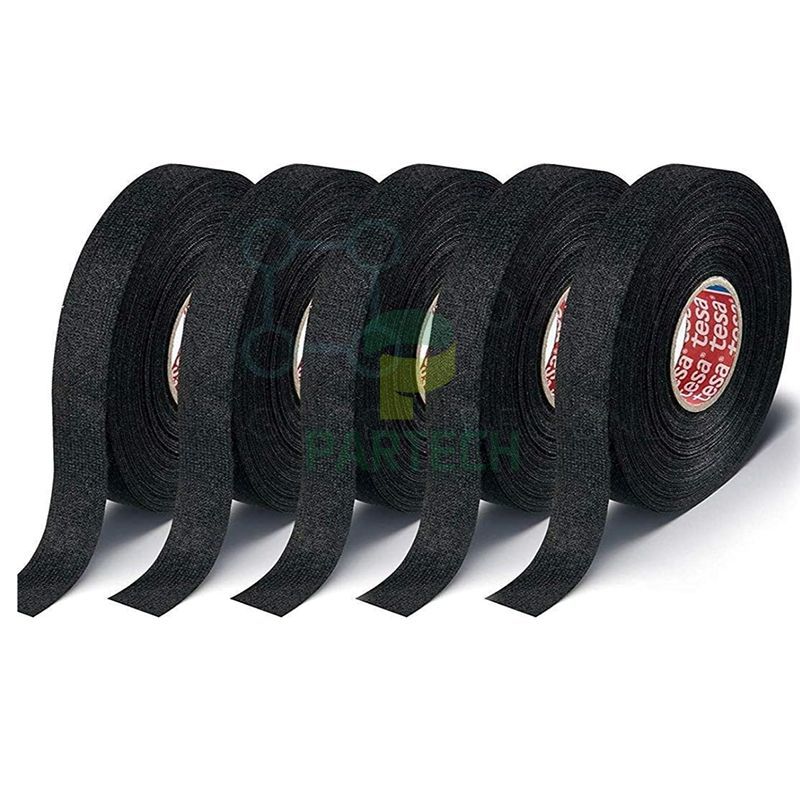
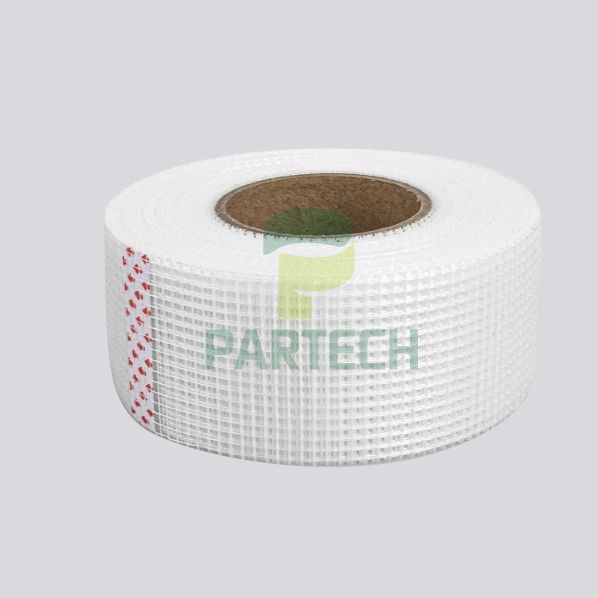
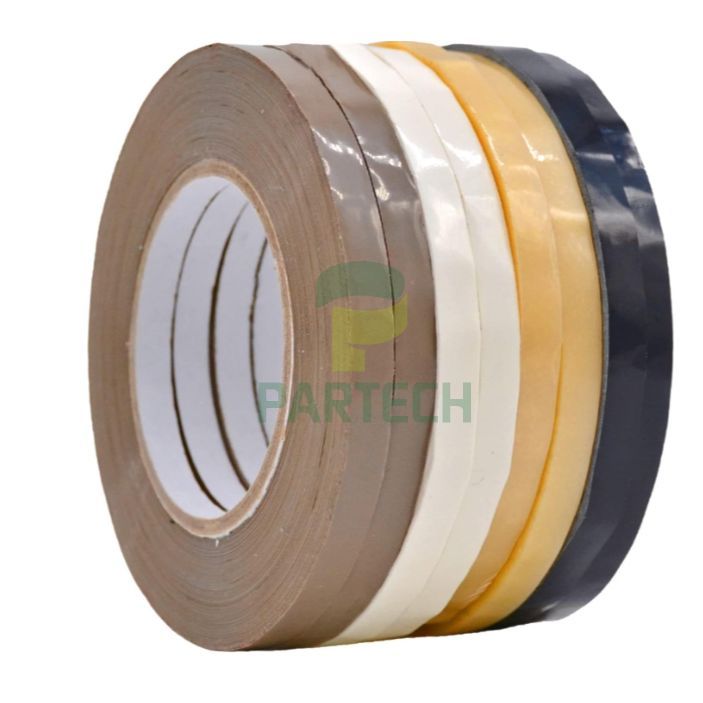
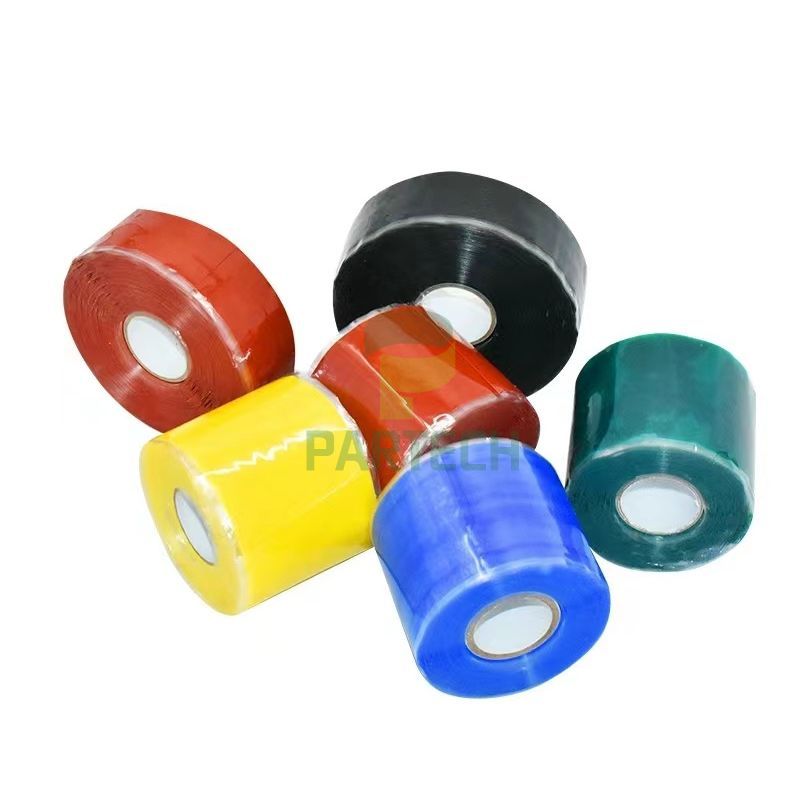
Packaging tape comes in various types: transparent tape, beige tape, colored tape, printed tape... They are all tapes composed of a film substrate and pressure-sensitive adhesive. As indispensable tools in daily life and work, they come in many varieties and have different functions. As a product characterized by "high frequency, low value, and easy neglect," the key to upgrading the brand image of packaging tape lies in transforming "environmental protection" from an "added attribute" into a "key reason for users to choose it."
In today's world, where "carbon reduction" has become a global consensus, environmental protection is no longer an "added item" for brands, but rather a "foundation" for winning user trust. For everyday consumables like sealing tape, deeply integrating environmental protection concepts into a brand's DNA not only differentiates it from competitors but also allows users to perceive the brand's responsibility to the planet in the small scenario of "sealing a box"—this contrast of "a small product carrying a big message" is key to upgrading the brand image.
As a product with "high frequency, low value, and easy to overlook," the key to upgrading the brand image of sealing tape lies in transforming "environmental protection" from an "added attribute" into a "key reason for users to choose it." Key areas to focus on include:
Making environmental protection tangible: Breaking down the perception that "environmental protection = invisible and intangible" through material traceability, performance comparisons, and usage details;
Making environmental protection emotional: Replacing preaching with storytelling, making users feel that "using this brand's tape is practicing their own environmental values";
Making environmental protection valuable: Through public welfare initiatives and industry promotion, making the brand's environmental actions transcend "selling goods" and become a long-term cause that contributes to society.
Starting from the customer's perspective. When users seal the box, they think not only of "this roll of tape is very strong," but also of "using it, I'm doing a small thing for the planet"—at this moment, the brand image is upgraded from "selling tape" to "an environmentally conscious and responsible partner," truly achieving a leap from "product awareness" to "value recognition."