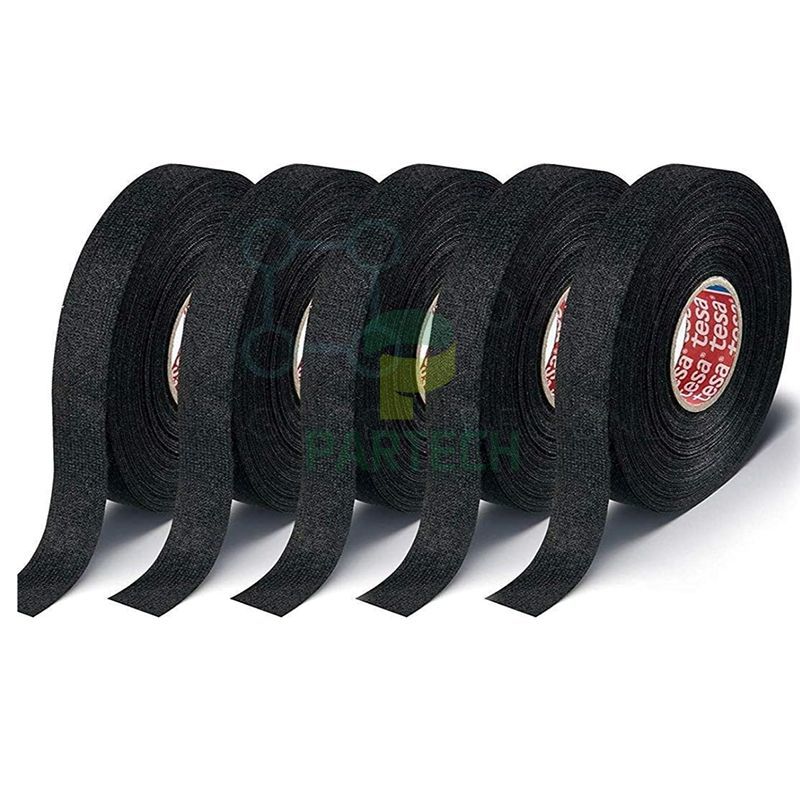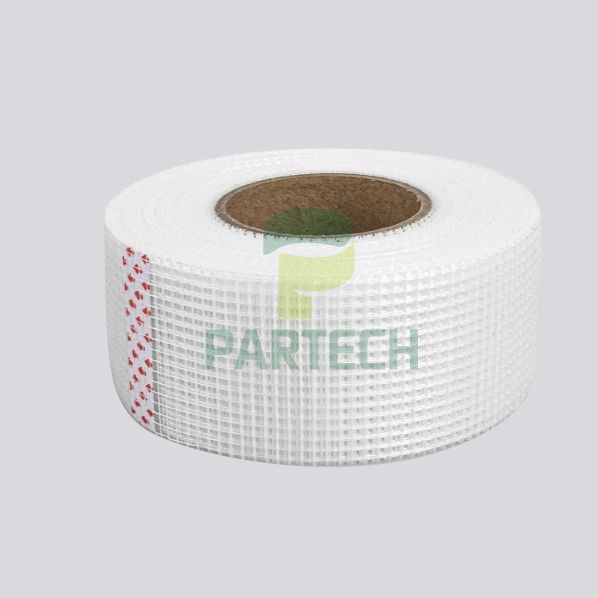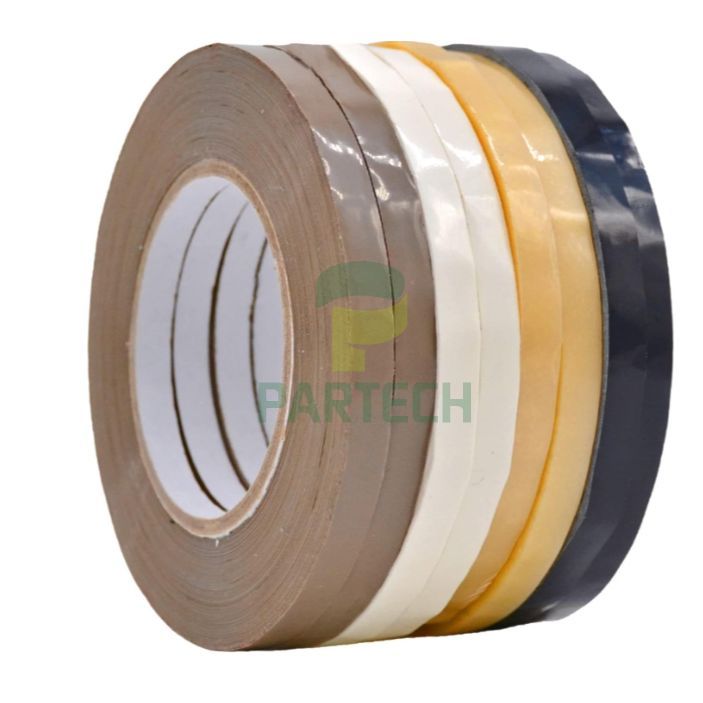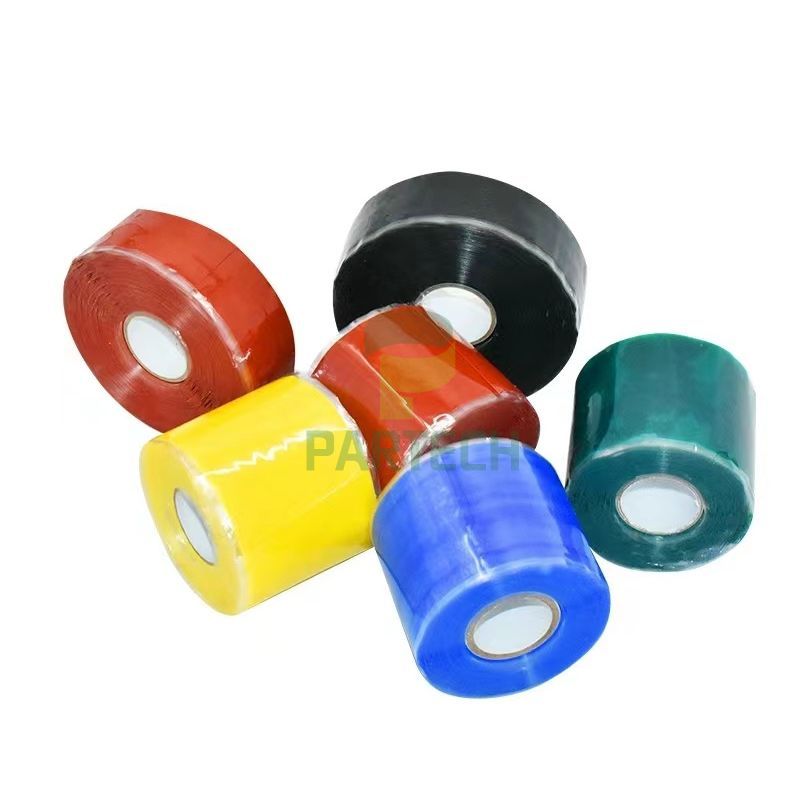

Partech provides some general guidelines for using high-temperature tape:
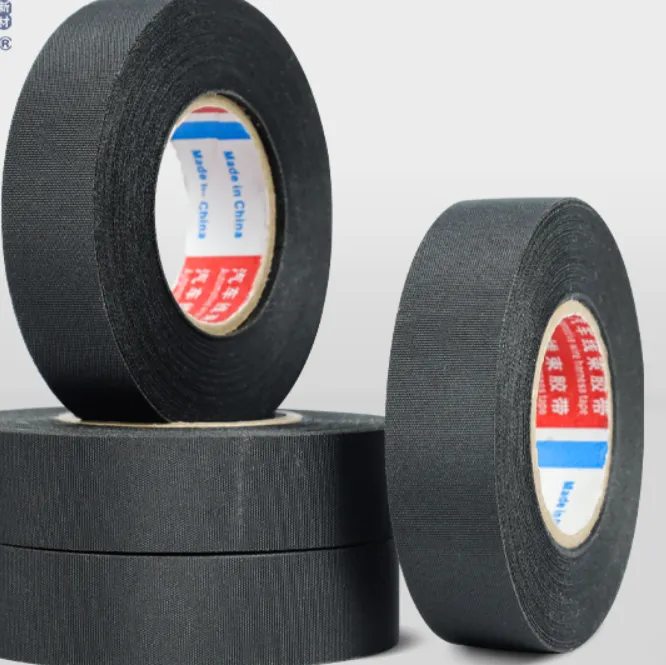
Select the right tape: Choose based on requirements such as the operating temperature, the material of the surface to be bonded, adhesion needs, and chemical resistance. For instance, polyimide high-temperature tape is suitable for securing electronic components that require insulation and withstand long-term high temperatures; for general high-temperature masking and protection, high-temperature masking tape or green PET high-temperature tape may suffice.
Prepare the surface: Clean the application surface thoroughly before use to remove oil, dust, water stains, and other impurities, ensuring a strong bond. If the surface is uneven, sand or smooth it out to improve adhesion.
Cut the tape correctly: Use a sharp cutter or scissors to cut the tape to the required length. Avoid jagged edges or uneven cuts, as these can compromise the bonding quality or lead to waste.
Apply the tape evenly: Press the cut tape onto the surface using even pressure to avoid air bubbles or wrinkles. Start at one end and slowly roll or press the tape onto the surface, using your fingers or a tool to ensure a tight, secure fit.
Control the operating temperature: Use the tape within its specified temperature range and avoid environments that exceed its heat resistance limits. Temperature ratings vary by type; common high-temperature tapes typically withstand temperatures between 120°C and 300°C.
Avoid over-stretching: Do not stretch the tape excessively during application, as this can impair its adhesion and performance. Over-stretching may cause the tape to snap or lose its bond during use.
Observe storage conditions: Store high-temperature tape in a cool, dry, and well-ventilated area, away from direct sunlight and high heat. Keep it away from organic solvents—such as acids, alkalis, and oils—to prevent contamination or damage. Store the tape in roll form without folding it; if stored for an extended period, rotate the rolls once per season.