
Stretch film is also known as wrapping film. Early PE stretch films used EVA as the self-adhesive agent; however, due to high costs and odor issues, the industry shifted to using PIB and VLDPE for self-adhesion. The primary base material is now LLDPE, including C4, C6, C8, and metallocene PE (mPE).
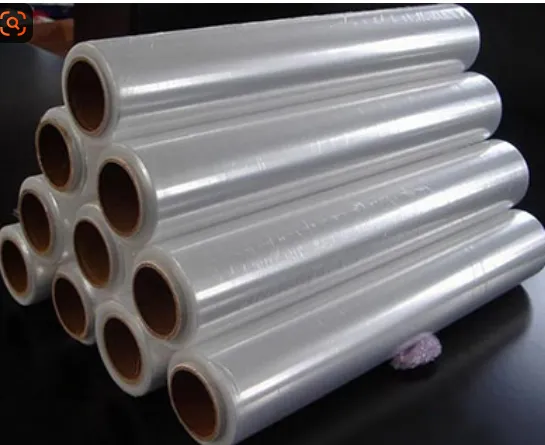
PE Stretch Film: This film offers high tensile and tear strength along with excellent self-adhesion, allowing it to securely bind items into a single unit and prevent shifting or collapse during transport. It features excellent transparency, providing an attractive appearance while protecting goods against water, dust, and damage. PE stretch film is widely used for pallet wrapping across industries such as electronics, construction materials, chemicals, metal products, auto parts, wire and cable, consumer goods, food, and papermaking. Key characteristics include good cushioning, puncture and tear resistance, a thin profile, and a favorable cost-performance ratio.
PVC Stretch Film: This film provides superior wrapping security and structural integrity for packaged items, relying on electrostatic attraction for its self-adhesive properties. It is easy to use, shrinks at low temperatures, and delivers excellent shrinking results with high gloss, transparency, and a high shrinkage rate, making it ideal for packaging wires, cables, and irregularly shaped products.