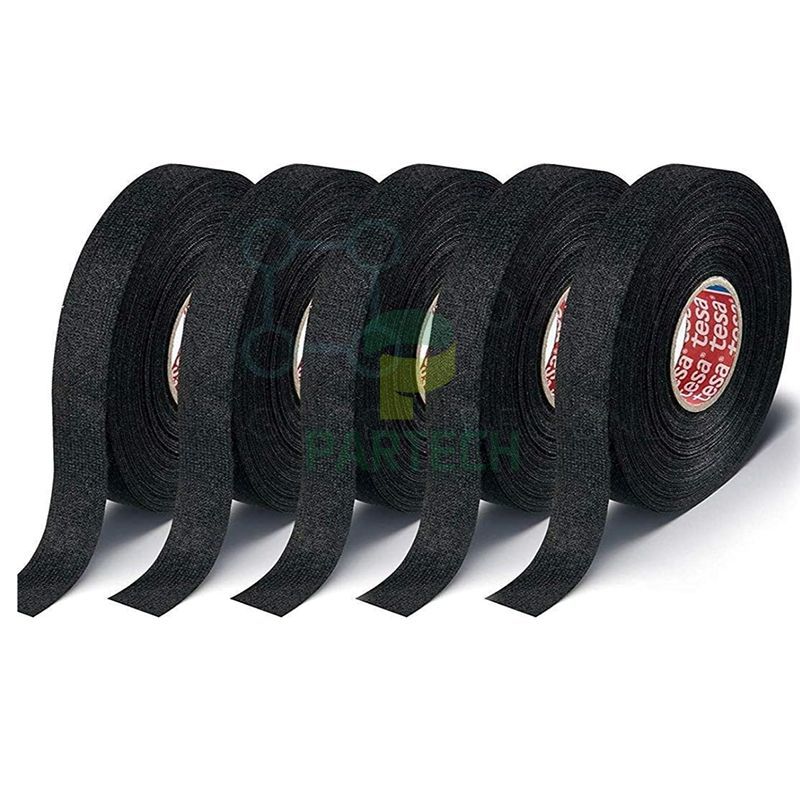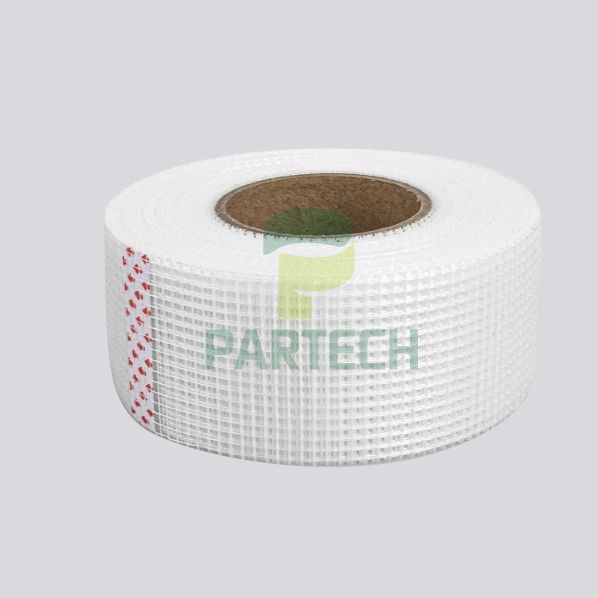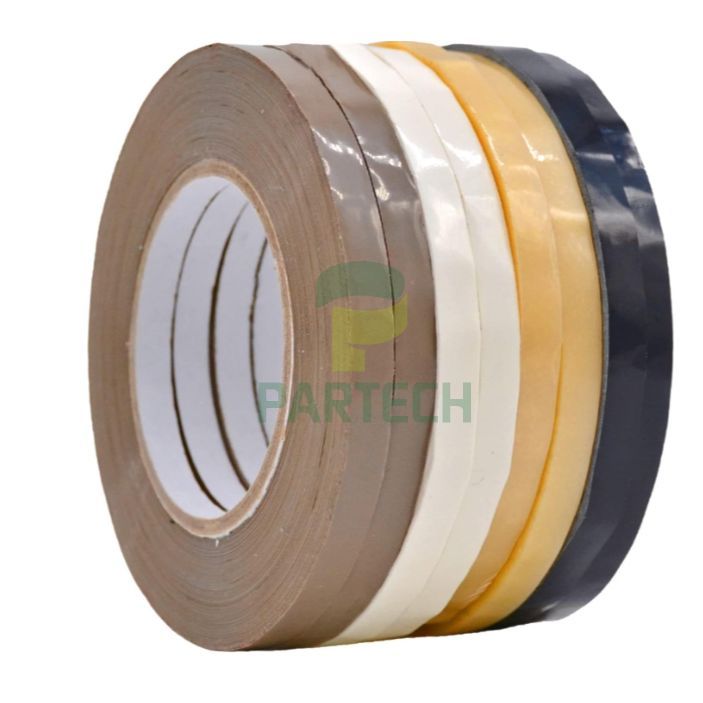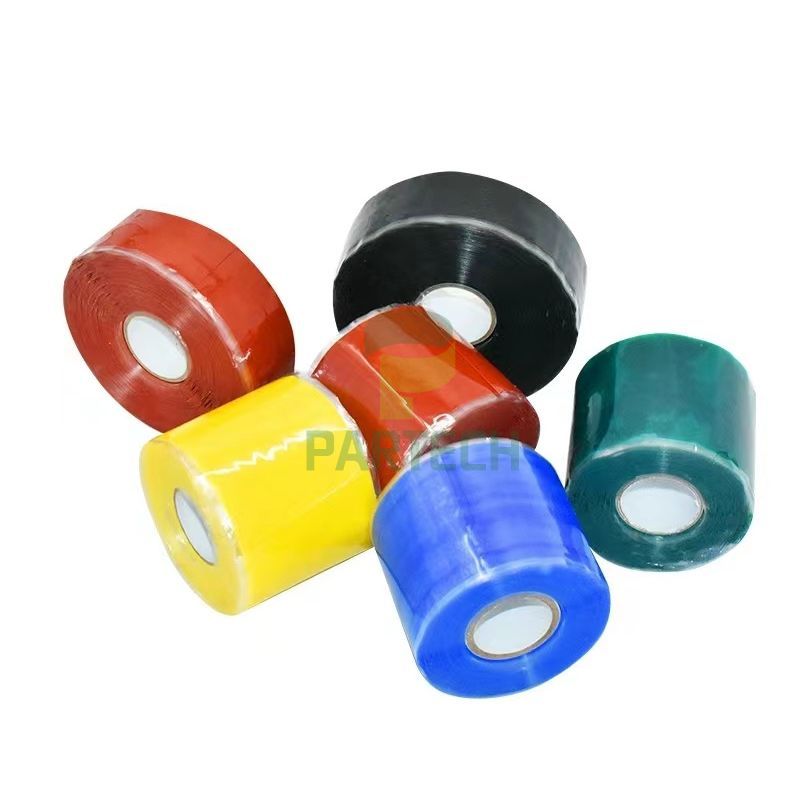

In today’s automotive manufacturing landscape, where the pursuit of ultimate quality is paramount, a seemingly inconspicuous process is quietly rewriting the rules of the industry. The innovative application of automotive paint-baking tape provided by Partech® has not only resolved long-standing issues regarding paint defects but is also propelling vehicle painting processes toward a "zero-defect" standard. From luxury vehicles to new energy models, this "unsung hero"—valued for its exceptional performance—has become a key factor for automakers seeking to boost competitiveness, sparking a revolution centered on detail and quality across the entire supply chain.
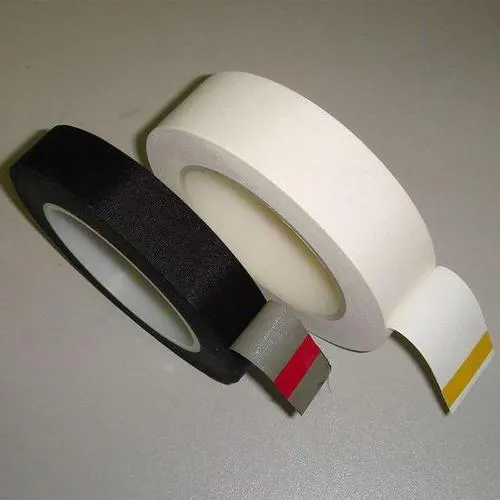
"Three years ago, for every 100 'bodies-in-white' that underwent the paint-baking process, eight required rework due to paint residue at the edges or discoloration from contamination. The costs associated with sanding and repainting alone consumed 15% of the paint shop's budget," recalls Engineer Li, the head of the paint shop at a domestic new energy vehicle manufacturer. In traditional painting processes, workers had to manually apply standard tape to areas like door gaps, weld points, and wiring harness connectors to mask them from the paint. However, these tapes often suffered from insufficient adhesion—leading to paint seepage—or left behind adhesive residue and even stripped away the primer upon removal, becoming a persistent headache that compromised paint quality.
The turning point came in 2022 when the company introduced a new generation of automotive paint-baking tape. "During our first trial, we applied this tape to the complex curved seams of the vehicle body. After baking at 160°C, everyone was amazed the moment we peeled it off: there was absolutely no paint seepage at the edges, the body surface was mirror-smooth, and there was zero adhesive residue." Comparative data presented by Engineer Li showed that after adopting this specialized tape, the workshop's rework rate dropped from 8% to 0.3%, painting costs per vehicle fell by 200 yuan, and annual cost savings exceeded 12 million yuan.
This is not an isolated case. In the realm of luxury vehicle manufacturing, the advantages of automotive paint masking tape are particularly pronounced. To ensure a flawless finish along the vehicle's waistline, one German luxury brand previously relied on manual masking—a process taking 30 minutes per vehicle that still frequently resulted in hairline paint defects. By switching to customized masking tape—precision-cut via laser to perfectly match the waistline's curvature—the masking time was reduced to just 5 minutes per vehicle. Furthermore, the paint finish achieved a "mirror-like" quality, satisfying the exacting standards of high-end consumers.
Even more impressive is the tape's temperature resistance. While traditional tapes shrink or carbonize during baking processes exceeding 120°C, this specialized automotive tape utilizes high-temperature-resistant substrates and silicone rubber adhesives. It remains stable in environments ranging from -40°C to 200°C; even after repeated high-temperature baking cycles, it adheres firmly to the vehicle body, effectively preventing paint seepage. Tests conducted by a commercial vehicle manufacturer showed that during the high-temperature baking of truck cabs, the use of this specialized tape increased the paint integrity rate at seams from 75% to 100% and extended the paint's durability in extreme weather conditions by more than three years.
The strength of automotive paint masking tape lies in its ability to be customized for diverse scenarios; from materials and specifications to flat and curved surfaces, it comprehensively meets the complex requirements of automotive painting processes.
In the painting of battery compartments for new energy vehicles, this tape demonstrates robust corrosion-resistant capabilities. Metal components within the battery compartment require electrophoretic coating to enhance corrosion resistance, yet sensitive areas—such as sensor interfaces and wiring harness connectors—must remain free of paint. Traditional masking methods often fail to provide a tight enough seal, allowing the electrophoretic fluid to seep in. In contrast, specialized automotive masking tape offers excellent chemical resistance, withstanding the corrosive effects of the fluid while ensuring that precision components remain undamaged during tape removal. After adopting this tape, a power battery vehicle manufacturer saw the corrosion-resistance pass rate for its battery compartments rise from 90% to 99.8%, significantly reducing the risk of future failures caused by corrosion.
In the "two-tone painting" process for vehicle bodies, automotive masking tape acts as a "precision brush." Elements such as dual-tone bodies and floating roofs have become increasingly popular in modern automotive design; these require the boundary between the two paint colors to be perfectly straight and distinct, with a margin of error of no more than 0.1 millimeters. One domestic automaker previously faced customer complaints regarding color discrepancies caused by imprecise masking when attempting a "skyline" dual-tone roof design. However, after switching to laser-die-cut automotive masking tape—which limits edge straightness deviation to within 0.05 millimeters—the two paint finishes met seamlessly. Customer satisfaction rose to 99%, and sales of the model increased by 15% as a result.
The flexibility of automotive masking tape is particularly valuable for the small-batch painting of automotive components. For instance, when applying paint to specific areas of interior parts like steering wheels or door handles, traditional masking fixtures are costly and slow to change over. In contrast, automotive masking tape can be quickly customized to fit the part's shape and offers low per-use costs, making it ideal for personalized vehicle models. A manager at a vehicle customization shop noted: "Previously, masking the interior paintwork for a single custom vehicle took two hours; now, using automotive masking tape, we can finish the job in just 20 minutes. Furthermore, the paint edges are more refined than manual work, and our customer return rate has doubled."
The widespread adoption of automotive masking tape has not only transformed manufacturing models for automakers but also fostered technical collaboration across the upstream and downstream supply chain, creating a quality-focused ecosystem that spans everything from material R&D to process implementation.
Upstream tape manufacturers are accelerating their technological evolution. To meet the demand for lightweighting in new energy vehicles, a tape manufacturer developed an ultra-thin automotive paint masking tape. By reducing the thickness from the traditional 0.15 mm to 0.08 mm, the tape not only precisely masks narrow gaps but also minimizes the "paint step" (an uneven ridge) often caused by tape thickness; this innovation improves the smoothness of the vehicle's paint finish by 40%. Simultaneously, the development of eco-friendly tape is progressing; by utilizing biodegradable backing materials and solvent-free adhesive layers, the tape ensures high performance while allowing for natural degradation after disposal, thereby aligning with automakers' "carbon neutrality" goals.
Meanwhile, equipment manufacturers in the midstream sector have developed "automated tape application systems" that integrate automotive masking tape with robotics and visual positioning technologies. In a smart painting workshop, robots scan the vehicle body's contours using 3D vision to automatically cut and apply the masking tape. Achieving a positioning accuracy of ±0.02 mm, the system operates five times faster than manual labor and supports continuous, 24-hour operation. Implementing this system has reduced labor costs for the masking process by 60% while eliminating issues such as tape misalignment and air bubbles often associated with manual application.
Automakers in the downstream sector have extended the application of automotive masking tape to the aftermarket. During paint repairs at dealerships, traditional masking methods often resulted in color discrepancies between the repaired area and the original paint due to improper tape selection. In contrast, specialized automotive masking tape is designed to withstand the baking temperatures and meet the specific masking requirements of OEM paint, resulting in a repair that is virtually seamless. After-sales data from a luxury car brand shows that using this specialized tape boosted customer satisfaction with paint repairs from 82% to 98% and reduced the rate of rework by 70%.
In today's fiercely competitive automotive manufacturing landscape, the adage "details determine success or failure" is widely accepted; the application of automotive masking tape stands as a prime example of automakers' relentless pursuit of perfection in every detail. From boosting production line efficiency to optimizing user experience, and from controlling costs to building brand reputation, this unassuming adhesive tape is quietly yet powerfully driving the high-quality development of the automotive industry.
Industry data reveals that the domestic market for automotive paint-masking tape surpassed 1.5 billion yuan in 2023—a 120% increase since 2018—and is projected to reach 2.5 billion yuan by 2025. These figures reflect the unwavering commitment to quality by countless automakers and the fruits of collaborative innovation across the entire supply chain.
As a veteran automotive engineer once remarked, "Achieving perfection in a simple task is, in itself, extraordinary." The story of automotive paint-masking tape demonstrates that industrial upgrading requires not only massive, powerful machinery but also a relentless pursuit of excellence in every minute detail. As automotive painting processes advance toward higher standards, this tape is poised to shine in an even wider range of applications, continuing to prove that even "small components" can make a significant impact.