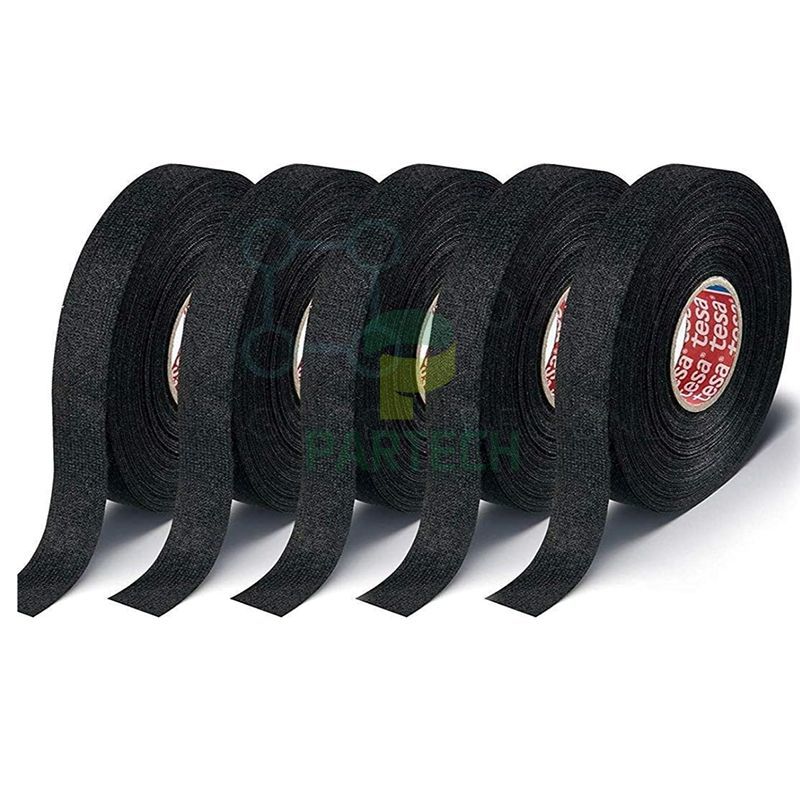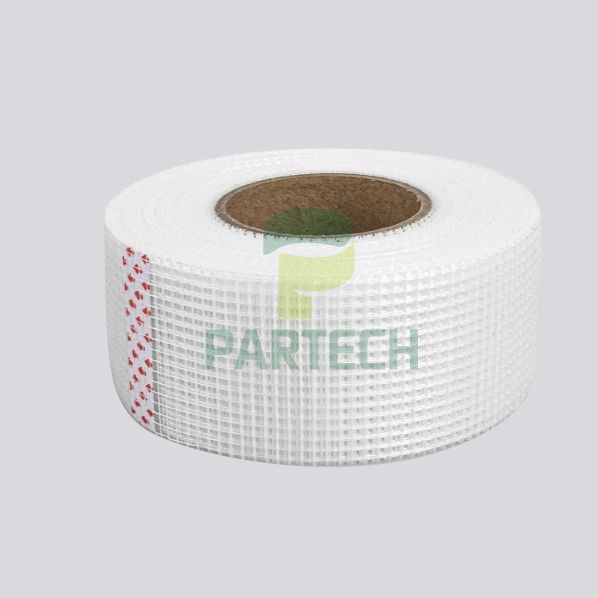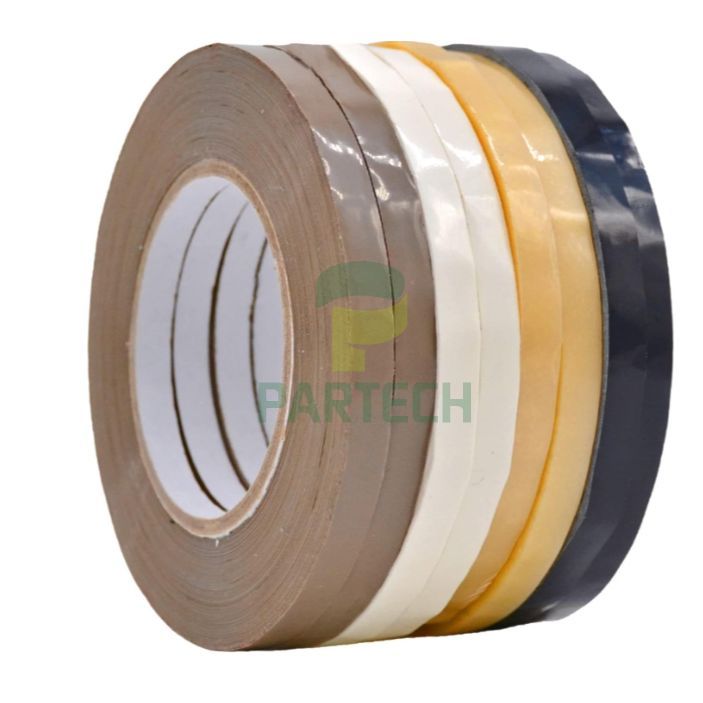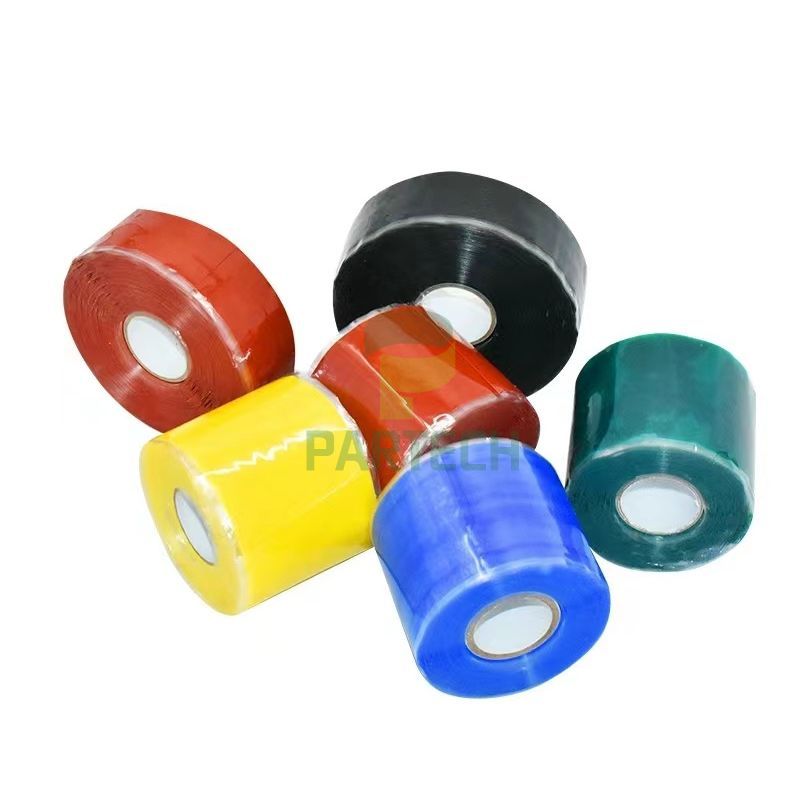

The occurrence of defective high-temperature tape master rolls during production has multifaceted and significant negative impacts.
Defective products directly lead to a substantial increase in production costs. Producing defective products means that investments in raw materials, manpower, and equipment are wasted. For example, an electronic component manufacturer uses high-temperature tape master rolls to fix and insulate electronic components. If the purchased master rolls have insufficient adhesion or are prone to breakage, frequent issues such as loose component fixation and short circuits will occur during production, resulting in the scrapping of a large number of semi-finished products. The company must then purchase qualified high-temperature tape master rolls and reinvest manpower in production, causing production costs to rise sharply and severely compressing profit margins. According to incomplete statistics, increased costs due to defective products can reduce a company's profits by 10% to 30%, which is undoubtedly a heavy blow to the company's economic efficiency.
Defective products severely impact production schedules. When defective products appear on the production line, time and effort are required to troubleshoot the problem, clean the production line, and replace defective materials. This series of operations can cause production line shutdowns and a significant decrease in production efficiency. For example, in the automotive manufacturing industry, when using high-temperature adhesive tape master rolls to mask automotive parts, problems such as tape detachment or incomplete masking can lead to substandard coating quality, requiring rework of the parts. Each rework can take hours or even days, delaying the overall vehicle production schedule and potentially impacting subsequent sales and deliveries, resulting in significant economic losses for the company. Industry data shows that production delays caused by defective products can reduce a company's monthly output by 5% to 15%, severely impacting its market supply capacity and competitiveness.

The impact of defective products on product quality is also significant. High-temperature adhesive tape master rolls are a critical material in the production process of many products, and their quality directly affects the quality of the final product. If the high-temperature adhesive tape master rolls have quality problems, such as substandard temperature resistance or poor corrosion resistance, tape failure or detachment may occur during product use, affecting normal product use and even potentially causing safety accidents. For example, in the aerospace field, high-temperature adhesive tape master rolls are used for the insulation and protection of spacecraft components. If the tape quality is substandard, malfunctions under the high-temperature operating environment of spacecraft could have catastrophic consequences. This would not only damage the company's brand image but also potentially lead to huge compensation claims and legal risks.
Defective products also damage a company's reputation. Once defective products enter the market and are discovered by customers, they will have a serious negative impact on the company's reputation. Customer trust in the company will drop significantly, potentially leading them to choose products from competitors, resulting in a loss of market share. Moreover, negative word-of-mouth spreads extremely quickly in the market, further affecting the company's potential customer base. For instance, a well-known electronics manufacturer used substandard high-temperature adhesive tape master rolls, resulting in quality problems in some products. After being exposed by the media, the company's brand image plummeted, and its market share dropped by more than 20% in just a few months, destroying years of accumulated brand reputation. Therefore, the damage to a company's reputation caused by defective products is long-term and difficult to repair.
The substrate of the tape serves as its supporting framework, and its quality directly affects key properties such as strength, flexibility, and stability. Uneven substrate thickness can lead to inconsistent tensile deformation during subsequent processing, causing problems like breakage and wrinkling during use. For example, an electronics factory experienced frequent tape breakage when using a batch of high-temperature tape rolls to fix electronic components, severely impacting production schedules. Inspection revealed significant thickness deviations in the substrate of this batch of tape rolls, with some areas being too thin to withstand normal tensile force. Furthermore, the material properties of the substrate are crucial. Different applications have different requirements for the substrate. For instance, in high-temperature environments, the substrate needs excellent high-temperature resistance; otherwise, it may soften or deform under high temperatures, causing the tape to lose its functionality.
The adhesive is the core component that gives the tape its stickiness, and its quality plays a decisive role in the tape's performance. Insufficient adhesive strength will prevent the tape from adhering firmly to the surface, leading to easy detachment during use. For example, in the painting process of automotive parts, if the adhesive strength of the high-temperature tape master roll is insufficient, peeling off the tape after painting may cause the paint to be lifted, resulting in product scrap. Furthermore, if the adhesive's temperature resistance is substandard, its viscosity will change under high-temperature environments, potentially causing problems such as dripping and curing, affecting the tape's performance. For instance, in the manufacturing process of aircraft engines, high-temperature tapes are used to protect components from high temperatures. If the adhesive's temperature resistance is insufficient, the tape may fail to provide protection during high-temperature engine operation. In addition, the uniformity of adhesive coating is also crucial. Uneven coating can result in areas with excessively high or low adhesion, affecting product consistency and stability.
The coating process is a critical step in uniformly applying the adhesive to the substrate, and its quality directly affects the tape's performance. Excessive coating will make the tape surface too viscous, causing it to stick together easily. This not only affects processing efficiency but may also make the tape difficult to peel off during use. Insufficient coating will result in insufficient adhesiveness, failing to meet usage requirements. In one production process, a tape manufacturer experienced severe adhesion problems due to improper parameters in the coating equipment, leading to a 20% higher coating amount than the standard value. This resulted in a large number of scrapped products and significant economic losses for the company. Furthermore, coating uniformity is crucial. Uneven coating will cause differences in adhesiveness in different areas of the tape, making it prone to localized peeling during use. For example, in the assembly of electronic products, using unevenly coated high-temperature tape may cause electronic components to be poorly secured in certain areas, affecting product quality and reliability.
The baking process plays a key role in the curing and performance stabilization of the adhesive. Excessively high baking temperatures or prolonged baking times will cause the adhesive to over-cur, resulting in the tape losing its flexibility, becoming brittle, and easily breaking during use. Conversely, if the baking temperature is too low or the time is too short, the adhesive cannot fully cure, affecting the tape's adhesion and temperature resistance. One company, in an effort to increase production efficiency, shortened the baking time when producing high-temperature tape master rolls. As a result, the adhesive failed to cure effectively in high-temperature environments, leading to severe delamination of the tape, customer returns, and significant damage to the company's reputation.
Improper operation during the rewinding process can result in uneven tape winding, wrinkles, and misalignment. Uneven tape winding can easily lead to tape breakage and misalignment during subsequent slitting and use, affecting production efficiency and product quality. For example, when slitting high-temperature tape master rolls, uneven winding can damage the slitting blades due to uneven stress, and also result in inconsistent sizes of the cut tape rolls, failing to meet customer requirements.
During long-term operation, the performance of production equipment gradually declines due to wear and aging of components, thus affecting product quality. Taking coating equipment as an example, after prolonged use, the coating rollers may develop wear and scratches, leading to uneven coating and inconsistent adhesive strength in certain areas. One tape manufacturer failed to maintain and replace its coating rollers after two years of use, resulting in customer complaints about unstable adhesion. Inspection revealed that the issue stemmed from wear on the coating roller surface. Furthermore, malfunctions in the equipment's transmission and heating systems can also negatively impact the production process. Transmission system failures can cause unstable substrate conveying speeds, affecting coating and rewinding quality; heating system failures can lead to abnormal baking temperatures, affecting adhesive curing.
Equipment precision is crucial for ensuring consistent product quality. Insufficient equipment precision makes it impossible to accurately control parameters during coating and rewinding, leading to fluctuations in product quality. For example, if the metering device in the coating equipment lacks precision, it cannot accurately control the amount of adhesive applied, resulting in differences in adhesion between different batches of tape, affecting product stability and reliability. Moreover, equipment precision also affects the dimensional accuracy of the tape. Insufficient precision in rewinding equipment may result in tape rolls with dimensions such as diameter and width that do not meet standard requirements, causing inconvenience in subsequent use.
Temperature and humidity have a significant impact on the tape production process. In high-temperature environments, the viscosity of the adhesive decreases, potentially causing flow and uneven coating. Simultaneously, high temperatures can alter the physical properties of the substrate, such as softening or deformation, affecting tape quality. In high-humidity environments, moisture can penetrate the adhesive and substrate, reducing adhesive strength and substrate strength. For example, during the rainy season in southern China, high humidity can lead to insufficient tack and mold growth in high-temperature tape master rolls produced by a tape manufacturer without effective moisture-proofing measures. Conversely, in low-temperature, low-humidity environments, the adhesive may become excessively viscous, hindering coating operations, and affecting tape flexibility, making it prone to cracking.
The cleanliness of the production environment also has a significant impact on tape quality. If the environment contains a large amount of dust, impurities, and other pollutants, these contaminants may adhere to the tape during the tape production process, causing surface defects and affecting the tape's appearance and performance. For example, in the electronics industry, the cleanliness requirements for tapes are extremely high, as even tiny particulate impurities can affect the performance of electronic components. One electronic tape manufacturer, due to substandard cleanliness in its production workshop, produced tapes with numerous dust particles on the surface. When used for packaging electronic components, this caused short circuits and other malfunctions, resulting in significant losses for its customers.
The operator's proficiency in operating the production equipment directly impacts product quality. If operators are unfamiliar with the equipment's operating procedures and make errors in equipment debugging and parameter settings, problems can easily arise in the production process. For example, improper settings of the coating speed and adhesive flow rate on the coating equipment may result in excessive or insufficient coating, affecting the tape's adhesion. I once saw a newly hired operator who, due to unfamiliarity with the rewinding equipment, failed to adjust the tension correctly during rewinding, resulting in uneven tape winding and a large number of defective products.
During production, operators violating operating procedures, such as unauthorized changes to production process parameters or failure to perform equipment maintenance as required, can also lead to defective products. Some operators, in pursuit of output, may increase the operating speed of the production equipment without authorization, neglecting product quality. This can lead to uneven adhesive coating, insufficient baking, and other problems, compromising tape quality. Furthermore, some operators are perfunctory in equipment maintenance, failing to clean, maintain, and inspect the equipment regularly, resulting in frequent equipment failures and affecting product quality.