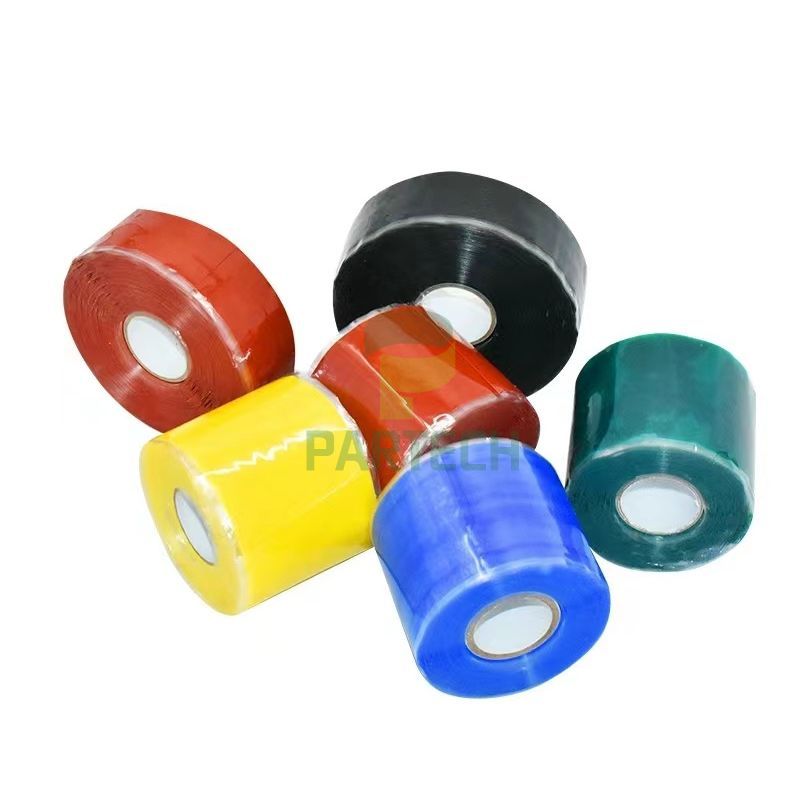

Plastic Film-based Printed Tapes: These utilize plastic films—such as BOPP, PET, and Polyvinyl Chloride (PVC)—as their substrate. Among these, BOPP printed tape is widely used in the packaging industry due to its excellent transparency, stiffness, and cost-effectiveness; PET printed tape, conversely, offers higher strength and heat resistance, making it frequently used for the packaging of electronic and electrical products.
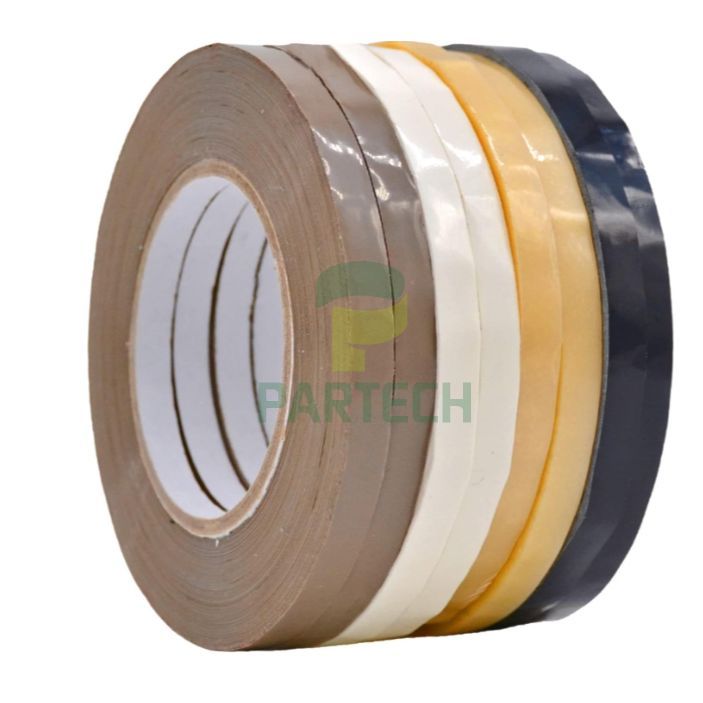
Paper-based Printed Tapes: This category includes printed tapes utilizing substrates such as kraft paper, masking paper, and glassine paper. Kraft paper printed tape features high strength and eco-friendliness, making it suitable for heavy-duty packaging and sealing corrugated cardboard boxes; masking paper printed tape offers excellent masking capabilities and is easy to tear, making it commonly used for protective masking in industrial applications such as spray painting and coating; glassine paper printed tape is primarily used as a release liner (backing paper) for labels, combined with adhesives and face materials to produce self-adhesive labels.
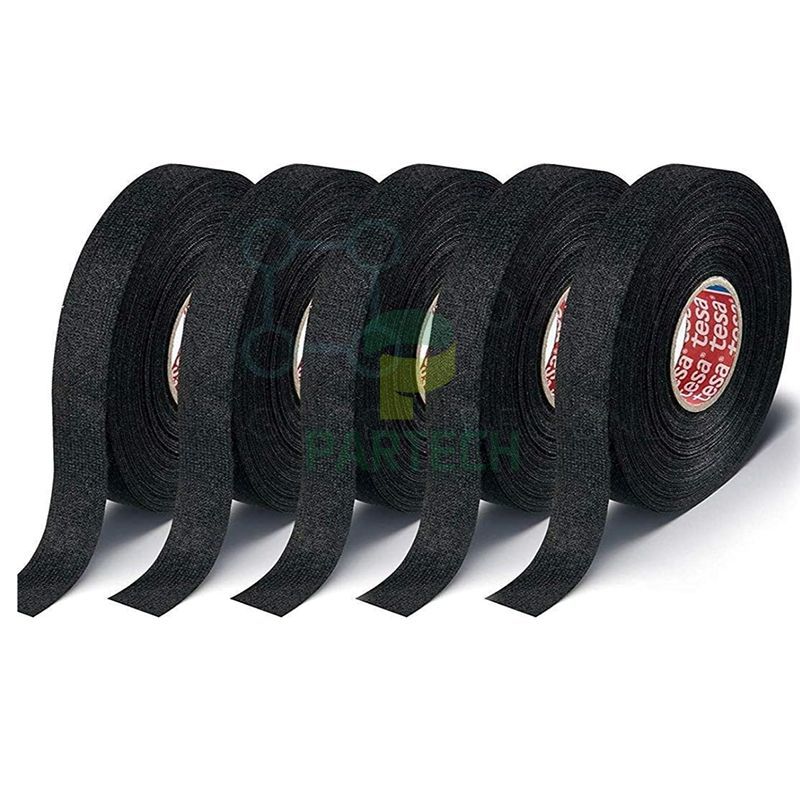
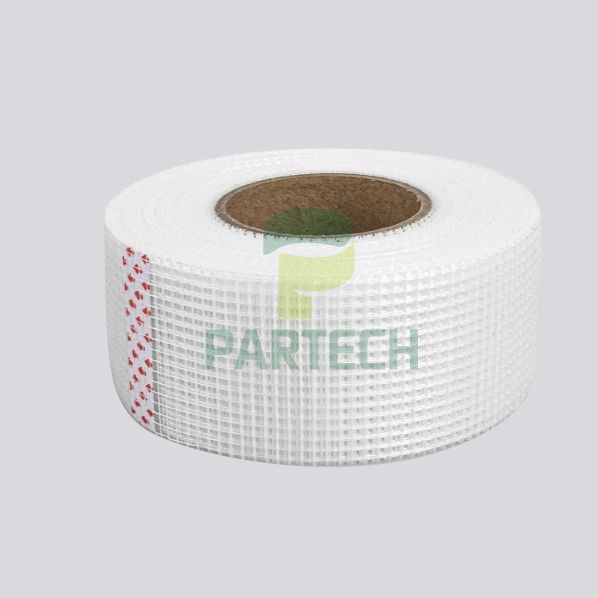
Fabric-based Printed Tapes: These utilize fabrics—such as cotton cloth or non-woven fabrics—as their substrate. Such printed tapes possess excellent flexibility and high tensile strength, making them suitable for bundling and securing heavier objects, or for use in specialized applications where high tape flexibility is required.
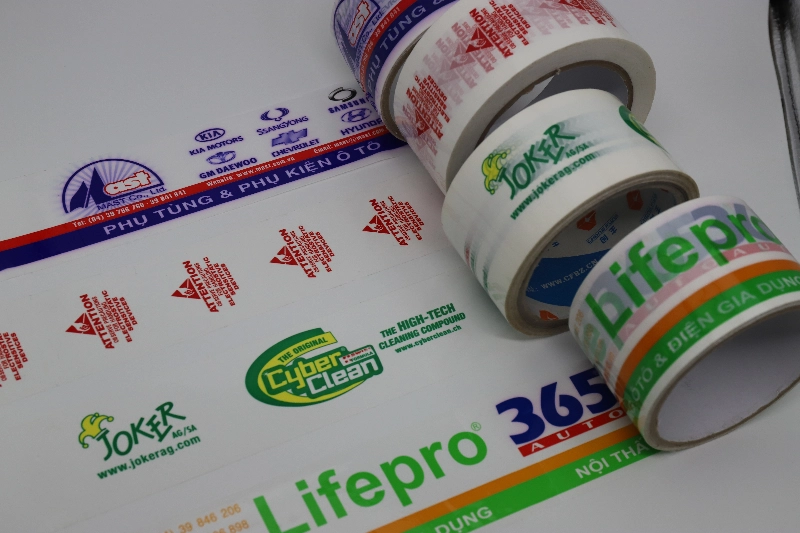
Pressure-Sensitive Printed Tapes: The adhesive in these tapes bonds under slight pressure alone, requiring no auxiliary aids such as solvents or heat. Pressure-sensitive printed tapes are convenient to use and widely applicable; common carton-sealing tapes and labeling tapes typically fall into this category. Depending on the adhesive formulation, they can be further classified into rubber-based pressure-sensitive printed tapes and acrylic-based pressure-sensitive printed tapes. Rubber-based pressure-sensitive adhesives offer excellent initial tack (instant adhesion) but exhibit relatively poorer weather resistance and heat resistance; acrylic-based pressure-sensitive adhesives offer superior overall performance, featuring better weather resistance, heat resistance, and holding power (long-term adhesion).
Hot-Melt Printed Tapes: The adhesive in these tapes is applied to the substrate in a heated, molten state and bonds upon cooling and solidifying. Hot-melt printed tapes feature rapid curing speeds and high bonding strength, making them frequently used in high-speed packaging production lines; however, they impose higher requirements on equipment, necessitating the use of heating devices. Solvent-based Printed Tape: In this type, the adhesive utilizes an organic solvent as a carrier medium; after being coated onto the substrate, the solvent evaporates, causing the adhesive to cure. Solvent-based printed tapes offer high bonding strength; however, the evaporation of organic solvents poses potential hazards to both the environment and human health, leading to increasingly restricted usage in current applications.
Packaging Printed Tape: Primarily used for product packaging purposes, such as carton sealing, bundling, and labeling. Packaging tapes require excellent adhesive properties, along with sufficient strength and toughness, to ensure the security and airtightness of the package. Furthermore, depending on specific packaging requirements, they may also need to possess corresponding properties such as weather resistance and water resistance.
Industrial Printed Tape: Employed in industrial production processes for various specific applications, including the securing of electronic components, wire and cable identification, pipe sealing, and paint masking. Industrial tapes are subject to more stringent performance requirements; in addition to strong adhesion, they may also need to exhibit specialized properties such as electrical insulation, high-temperature resistance, chemical resistance, and low residue characteristics.
Office Printed Tape: Used in office environments for tasks such as document sealing, file organization, and item labeling. Office tapes prioritize aesthetics and ease of use, typically requiring a smooth surface finish, clear printing, vibrant colors, and the ability to be easily torn by hand.
Decorative Printed Tape: Utilized in fields such as interior and exterior decoration and handicrafts—for instance, in wall decoration, furniture embellishment, and gift wrapping. While meeting basic adhesive requirements, decorative tapes place a greater emphasis on the novelty, artistic quality, and variety of their pattern designs, as well as their ability to harmonize with specific decorative styles.