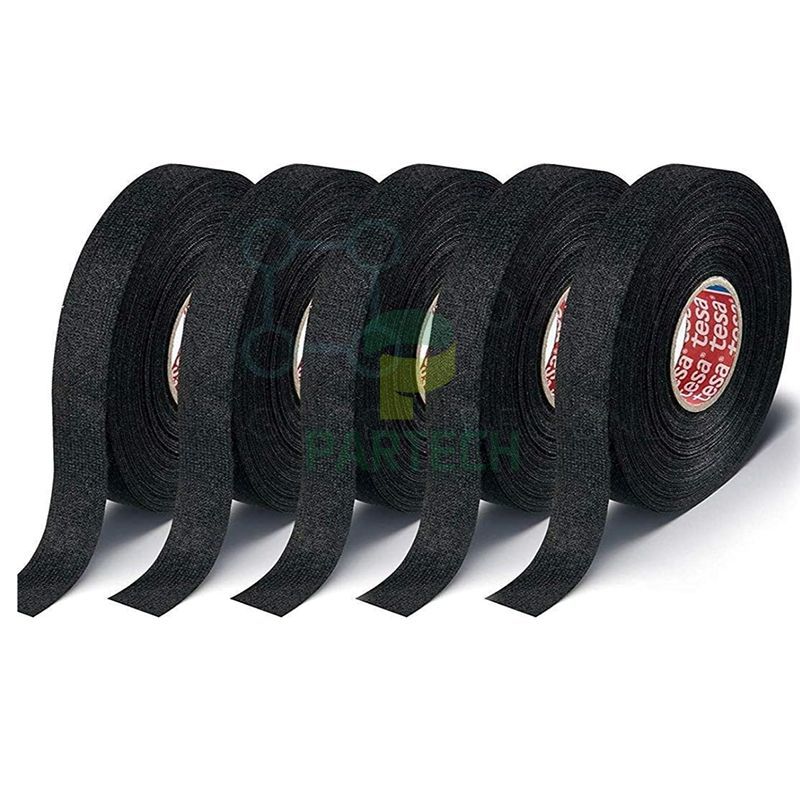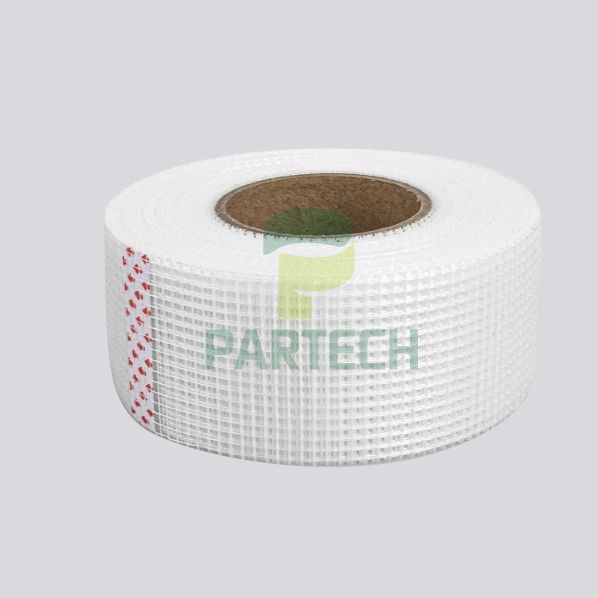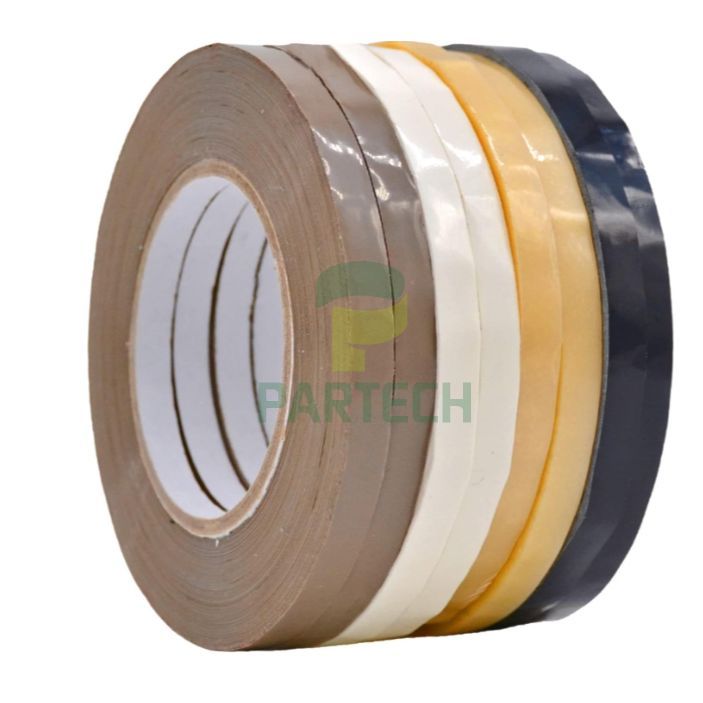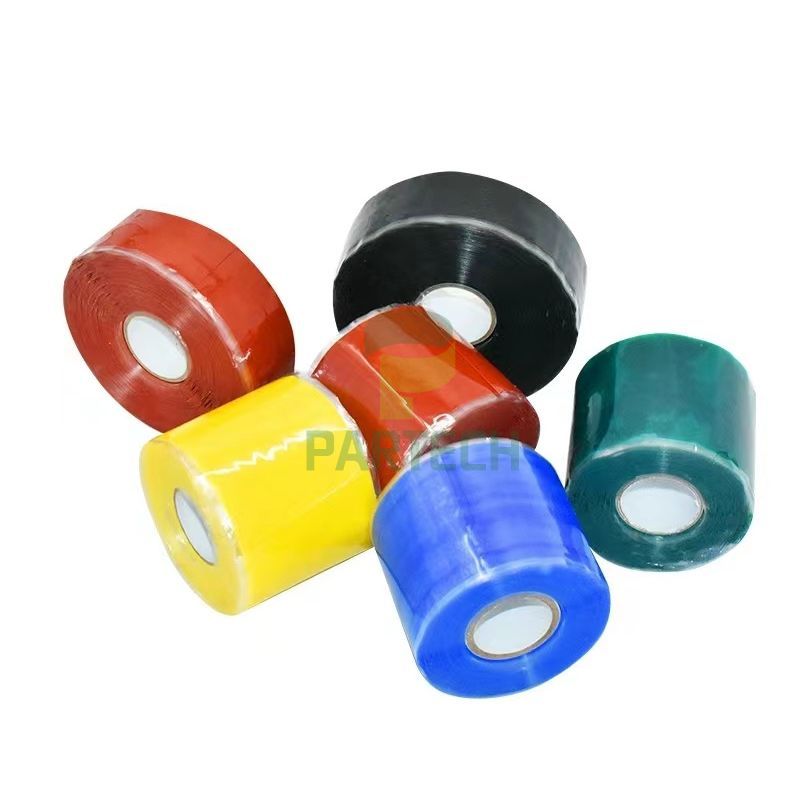

Regarding the proper handling and recycling of waste printed tape in the logistics industry: We are committed to building a complete chain system of "classification and pre-treatment – targeted recycling – resource reuse." Through industry collaboration, technological support, and policy guidance, we aim to achieve the proper handling and recycling of waste printed tape in the logistics industry, contributing to environmental protection.
A simple description of how to properly handle and recycle waste printed tape in the logistics industry: This requires considering its material characteristics (substrate, adhesive, printing layer) and the complexity of logistics scenarios to build a complete chain system of "classification and pre-treatment – targeted recycling – resource reuse," while relying on industry collaboration, technological support, and policy guidance. The specific paths and methods are as follows:
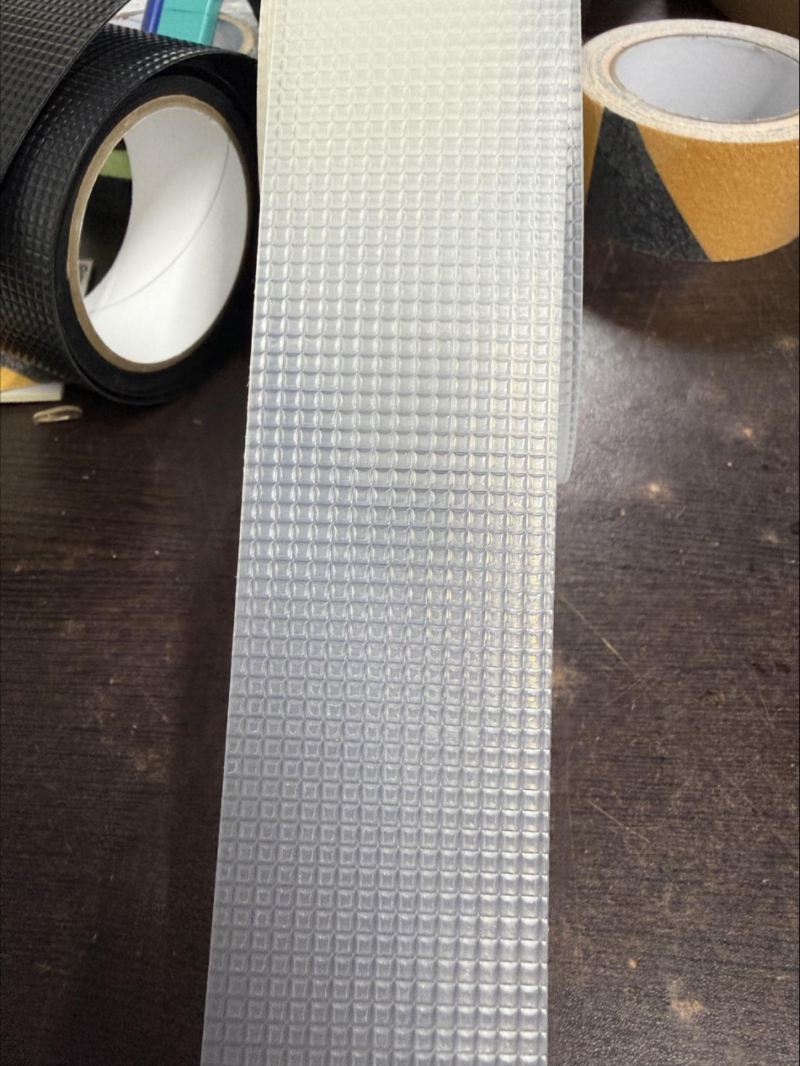
The difficulty in recycling waste printed tape largely stems from its mixing with other waste (such as cardboard boxes, foam, and plastic film) and its own "composite structure" (substrate + adhesive + printing ink). A crucial part of front-end pre-treatment is "separation" and "cleaning," paving the way for subsequent recycling.
Manual Separation to Avoid Mixing
Logistics companies have set up dedicated "waste tape recycling bins" at sorting centers and outlets, requiring staff to separate the tape from cardboard boxes, foam, and other materials before disposing of it. For example, courier stations can train employees to remove the tape before handling cardboard boxes when unpacking damaged packages, preventing the tape from mixing with paper, plastic, etc., thus reducing subsequent sorting costs.
For consumers, promotional guidance (such as labeling delivery slips "Please remove the tape and dispose of it separately") can encourage recipients to place waste tape at designated recycling points (such as recycling bins in communities and delivery stations).
Removing Impurities to Improve Purity
Recycled waste tape may contain dust, paper scraps, or other contaminants, requiring simple cleaning (such as wiping with a dry cloth) to remove surface impurities. For adhesive tapes with strong adhesion and high levels of residual adhesive, a low-temperature freezing method (utilizing the adhesive's brittleness upon cooling) can be used to separate them from impurities. Alternatively, a special solvent (environmentally friendly) can be used to dissolve the residual adhesive layer, minimizing interference with subsequent recycling processes.
The substrate (e.g., BOPP, kraft paper, biodegradable materials) and printing layer (ink type) of printed tapes differ, resulting in vastly different recycling methods. Therefore, they must be processed according to material type.
Different substrates of printed tapes require different recycling technologies to achieve resource reuse and avoid "recycling equals pollution."
BOPP Printed Tape: Physical Regeneration and Chemical Cycle
BOPP tape is the most common type of waste tape in the logistics industry. A crucial part of its recycling is addressing the impact of the "printing layer" and "adhesive" on the substrate.
Physical recycling: Cleaned tape is broken into fragments and melted at high temperatures (polypropylene melting point is approximately 160℃) to remove volatile substances (such as small molecules in ink). After cooling, it is made into recycled plastic granules. These granules can be used to produce low-precision logistics products such as plastic pallets and packing straps, achieving "downgraded reuse".
Chemical recycling: For tapes with difficult-to-remove printing inks or adhesives, chemical methods such as pyrolysis and hydrolysis can be used to break down the polypropylene molecular chains into small molecule hydrocarbons (such as propane and butane), which can then be used as chemical raw materials to resynthesize new BOPP films or other plastic products, achieving "closed-loop recycling". However, this technology is costly and is currently mostly used for centralized industrial processing.
Kraft paper printed tape: Integrated into the waste paper recycling system
Kraft paper tape's base material is natural fiber, which can be recycled along with ordinary waste paper into the pulping process. During pulping, printing inks are removed through deinking processes (such as flotation and washing), and residual water-based adhesives are dissolved in high-temperature cooking, ultimately producing recycled pulp. Note: If the kraft paper tape has a non-degradable waterproof coating (such as PE film), the coating must be peeled off first, otherwise it will affect the pulp quality.
Degradable tape: Targeted composting is necessary to avoid mixing with starch-based, cellulose-based, or other degradable tapes. It requires an "industrial composting" environment for efficient degradation (degradation is slower in natural environments). Logistics companies can cooperate with municipal sanitation departments to collect this type of waste tape and send it to composting plants for mixing with kitchen waste, etc., and decompose it into organic fertilizer through microbial action for use in agriculture or landscaping, achieving a "from nature to nature" cycle.
The recycling of waste printing tape requires collaboration among logistics companies, recycling organizations, and recycling companies. A full-chain responsibility mechanism of "whoever generates it, is responsible for it" needs to be established.
Logistics companies should lead the construction of recycling networks.
Large logistics companies (such as SF Express and JD Logistics) can leverage their network layout to establish a recycling chain of "network collection—regional concentration—recycling company connection." For example, each express delivery station can be equipped with recycling bins, with regional centers collecting waste weekly to partner recycling companies, achieving large-scale recycling. Simultaneously, companies can encourage consumer participation in recycling through incentives such as "green packaging points" (e.g., redeeming coupons for discarded tape).
Recycling companies need to upgrade their technology to lower the barriers to recycling.
Recycling companies need to develop more efficient processing technologies to reduce the "purity" requirements for waste tape. For example, developing integrated removal equipment that can simultaneously process printing inks and adhesives can reduce pre-processing labor costs; or improving the performance of recycled plastic granules through material modification technologies can expand application scenarios (e.g., upgrading from producing low-value products to packaging films).
E-commerce platforms can collaborate to reduce waste at the source.
E-commerce platforms can reduce excessive tape use by standardizing merchant packaging standards (e.g., requiring "cross-sealing" instead of "full wrapping"), thus reducing waste at the source. For example, platforms like Pinduoduo and Taobao can provide traffic incentives to merchants using environmentally friendly tape, guiding towards lighter packaging.
Policies and standards are crucial for the implementation of a recycling system, requiring a two-pronged approach:
Establish Recycling Standards and Clarify Classification Requirements
Relevant departments could issue a "Standard for the Recycling and Disposal of Logistics Waste Tape," clearly defining the classification labels for different types of tape (e.g., printing "recyclable" or "compostable" markings on the tape), recycling processes, and processing technology standards. This would prevent "vague standards" from deterring or discouraging recycling companies from accepting waste tape.
Financial Subsidies and Tax Incentives
Financial subsidies should be provided to logistics companies that establish recycling systems and to recycling companies that adopt advanced recycling technologies. Tax reductions and exemptions should be implemented for recycled products (such as packing straps made from recycled tape) to lower their market prices and increase companies' enthusiasm for using recycled materials.
Prohibit "Difficult-to-Recycle" Tape Designs
Restrict the use of printed tapes with "composite multilayer structures" (such as BOPP + aluminum foil + adhesive) or "toxic inks," simplifying recycling from the design stage and encouraging companies to adopt tape products made of single materials and using environmentally friendly inks.
Currently, the main challenges facing the recycling of waste printed tape include: higher recycling costs than virgin materials (especially for small-scale recycling), insufficient recycling awareness among consumers and grassroots logistics personnel, and the difficulty in recycling some tapes due to their complex materials (such as mixed plastics + metal coatings).
In the future, with "material innovation" and "technological advancements," these problems will gradually be alleviated: for example, developing "single-material" tapes that can be directly pyrolyzed (without composite layers), using biodegradable inks and adhesives to reduce separation processes during recycling; and improving recycling efficiency through intelligent equipment (such as AI sorting robots) to automatically identify and separate tapes of different materials.
In summary, the proper handling and recycling of waste printed tape in logistics requires a multi-dimensional approach, encompassing "front-end reduction, mid-stream sorting, back-end technology, and policy support," ultimately transforming the industry from a "pollution burden" to a "resource recycling" model, thus contributing to the green and sustainable development of the logistics sector.