
Adhering to the business philosophy of "advocating environmental protection and prioritizing quality," we possess complete production equipment and a comprehensive sales system, producing and selling various packaging materials ourselves. We have formed an integrated business model encompassing R&D, production, and sales.
Morning light streams through the warehouse windows, falling on the rolled-up printed sealing tape. That light green, carrying the breath of nature, is not a deliberate imitation of industrial dyes, but the original color of cornstarch-based film unfolding under the sunlight—this roll of tape, about to embark on its journey, carries a gentle reconciliation with the earth from its inception.
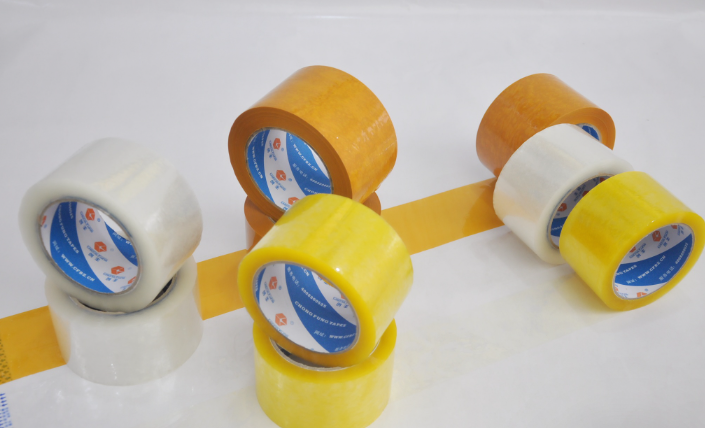
Its texture holds the secrets of the fields. Running your fingertips across the surface of the tape, you can feel the embossed wheat wave pattern, and in the dandelion pattern printed with four-color inks, each "seed" is a crystallization of biodegradable water-based pigment. As it wraps around the delivery box, the subtle veins that gradually appear with the temperature change seem to quietly remind you: this protective film will eventually return to the soil, just as wheat seedlings come from the earth and return to it.
Under the cool light of the fresh produce counter, it is a silent declaration of environmental protection. The polylactic acid substrate, an alternative to traditional PVC, remains flexible even in 0°C refrigeration. Next to the printed "compostable" label, an ink-painted earthworm curls up. When customers tear open the seal and take out the vegetables still glistening with morning dew, they throw away the tape scraps into the waste bin, leaving no trace of plastic residue—three months later, surrounded by microorganisms, they will decompose into humus, providing nutrients for the next season's tomato vines.
Most touching is its tacit dialogue with nature. Art museums use it to secure eco-themed exhibition labels; the deliberately left rough edges of the tape blend seamlessly with the brushstrokes of the illustrations in the *Compendium of Materia Medica* on the wall. Journaling enthusiasts have discovered that when used to paste dried flower specimens, the tape becomes translucent before the petals themselves after six months, as if saying, "Everything has its time." Even the crumpled remnants in recycling bins slowly reveal the texture of plant fibers when wet, like writing a letter to the soil on paper.
This breathable sealing tape transcends its function as a mere box seal. Its biodegradable nature proves that industrial products don't have to be at odds with nature. The leaf buds, insects, and streams imprinted on the film are not only a tribute to greenery but also a conscious agreement—when humanity needs to bind, seal, and mark, the earth generously lends its materials, and we should know how to return them on time.