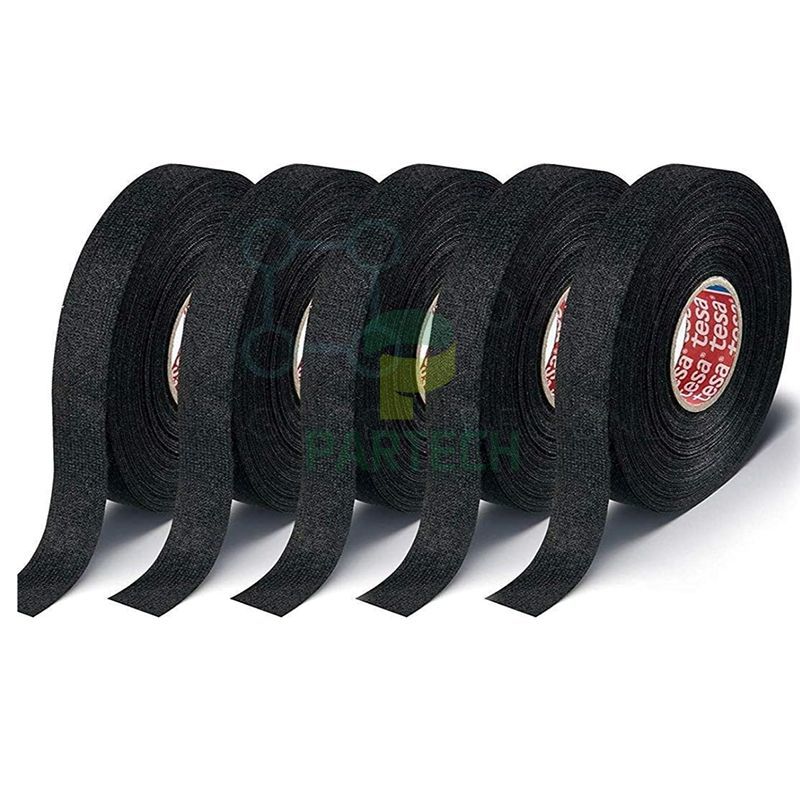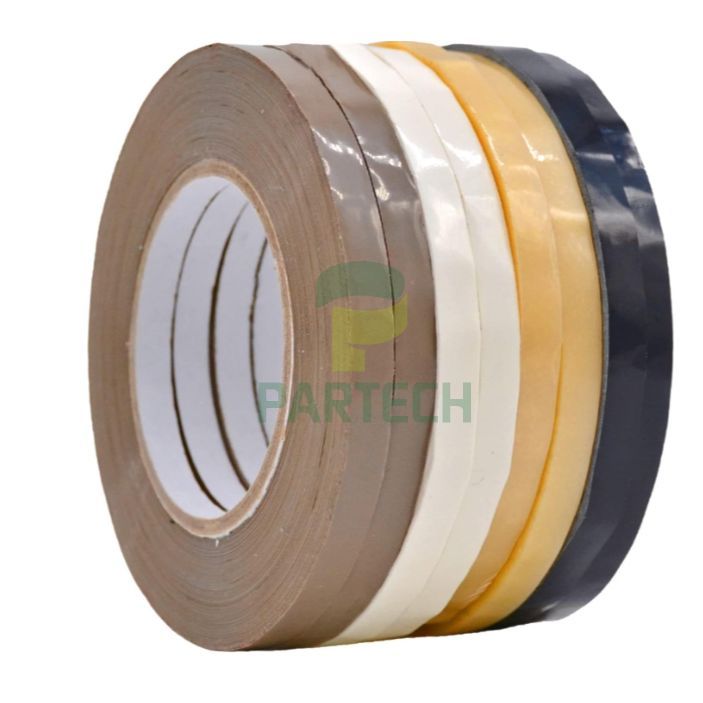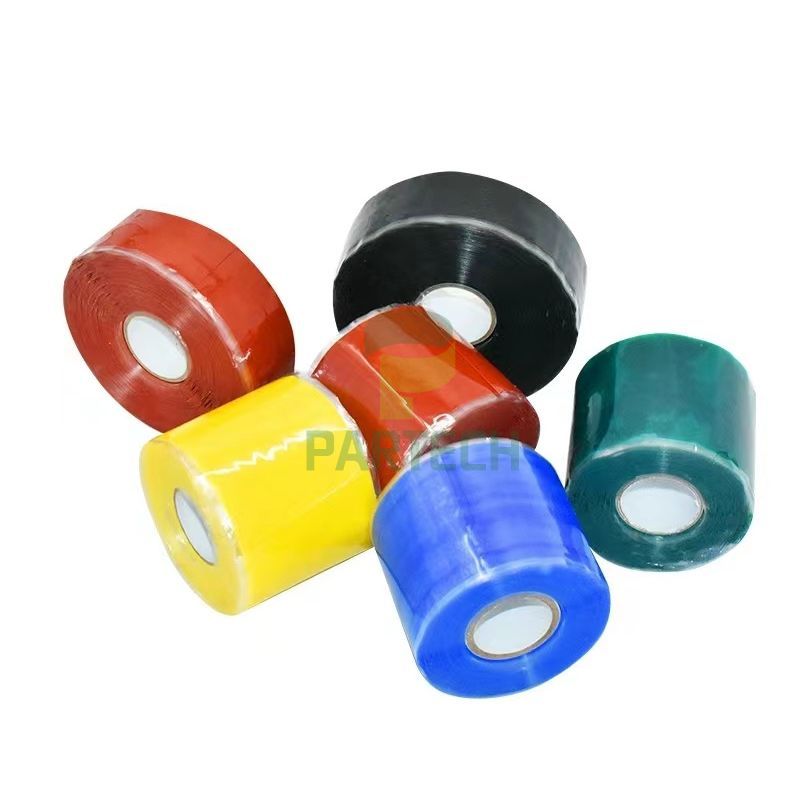

First, examine the tape's appearance. A high-quality roll of electrical tape should have uniform color and a smooth, flat cross-section; there should be no uneven winding or adhesive oozing out. Oozing adhesive indicates that the glue has aged; if such tape is used to wrap wire ends, the wrap will likely come loose over time, potentially leading to serious consequences like electrical leakage.
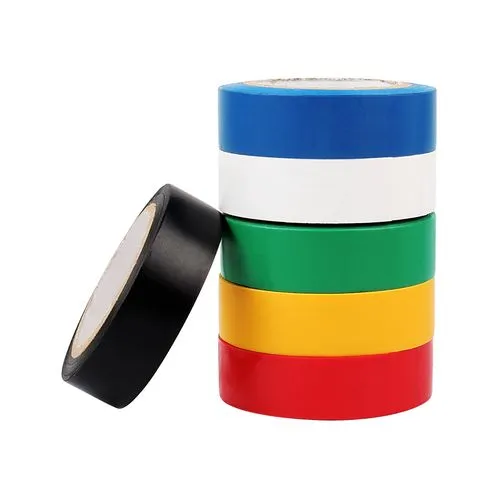
Next, unroll a section of the tape to gauge the force required to pull it apart and the tackiness of the adhesive surface. Generally, the peel force should be moderate; if it is too light, the tape is difficult to wrap neatly around wires, whereas if it is too heavy, it is hard for workers to pull and prone to deformation. The adhesive should be strong, but "stickier" isn't necessarily better; due to the nature of rubber, a rough adhesive surface often indicates poor-quality glue, which tends to disintegrate or leave residue when the tape sticks to itself.
Finally, stretch the tape to double its original length and observe whether it turns white (a phenomenon known as "whitening"). If the color remains unchanged or changes only slightly, it indicates that the backing material contains little to no filler. Conversely, if the tape turns significantly white, it suggests the manufacturer added excessive filler to the PVC backing to cut costs, thereby compromising the tape's insulation performance.
In summary, a good roll of electrical tape is one that features a smooth cross-section, moderate tackiness, and shows little to no whitening when stretched. Feel free to contact us!