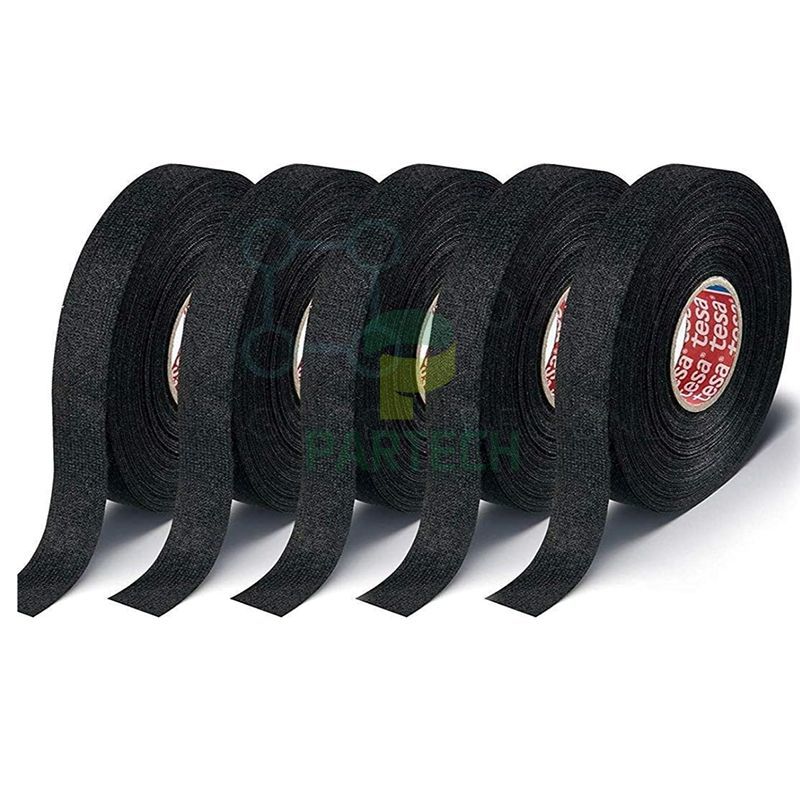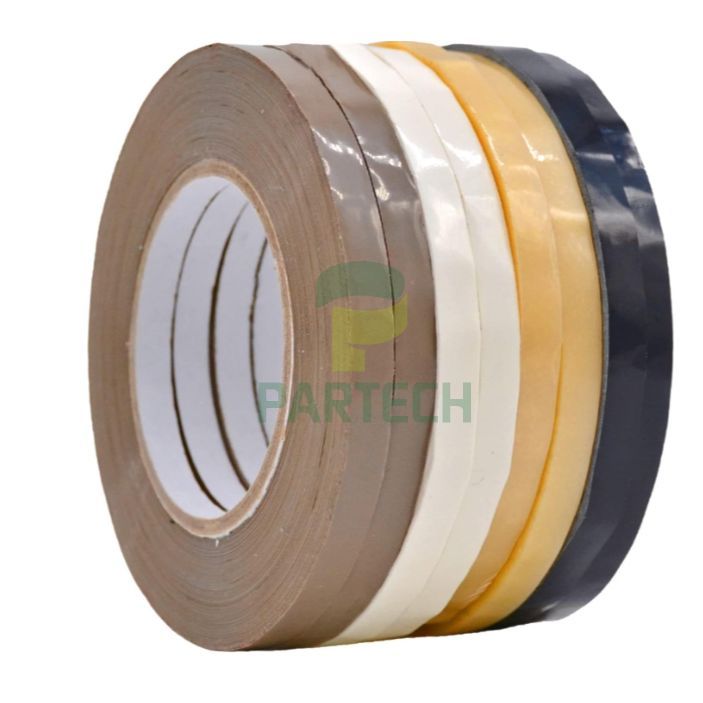

Printed BOPP packaging tape seems to perform poorly in winter and summer. Why? Temperature is a significant factor affecting the performance of BOPP packaging tape.
Printed BOPP packaging tape expands and contracts with temperature. The primary vector of expansion is thickness.
As the tape heats up, it thickens and tightens. This can cause stretching.
As the tape cools, it thins and loosens. This can cause slippage, folding, and tightening.
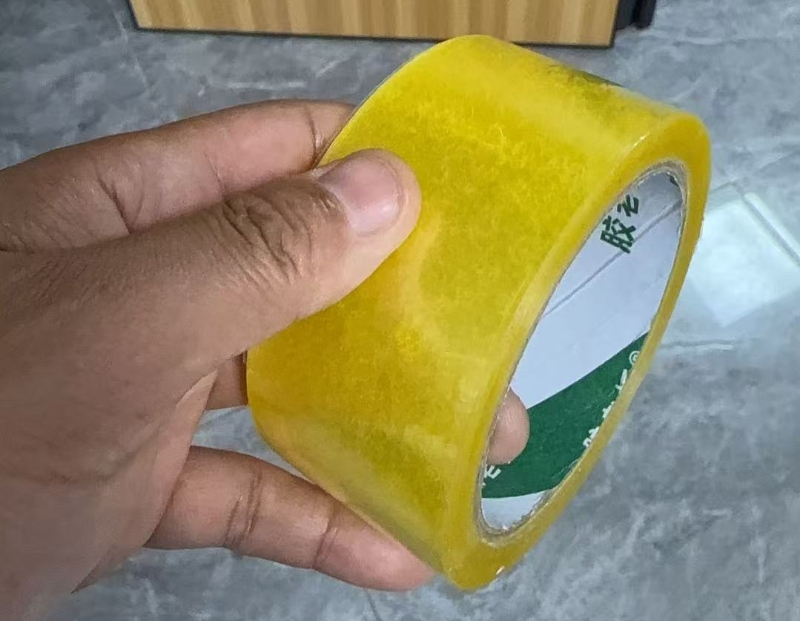
This is because temperature changes affect intermolecular forces. When the temperature rises, intermolecular forces decrease, Brownian motion increases, making it easier to wet and penetrate the bonded object, resulting in good adhesion. This is why tape adheres well at high temperatures.
Conversely, lower temperatures reduce the energy that adhesive molecules gain from the environment.
To avoid the negative impact of temperature on the function of printed BOPP packaging tape, we make great efforts.
1. Factories should adjust the adhesive formulation promptly according to seasonal changes; this is a proactive measure.
2. Sales personnel should understand the adverse effects of seasonal changes on tape use, promptly inform and explain this to customers, and assist them in improving production and storage conditions, such as heating and humidification, to help the tape achieve its normal performance and effectiveness.