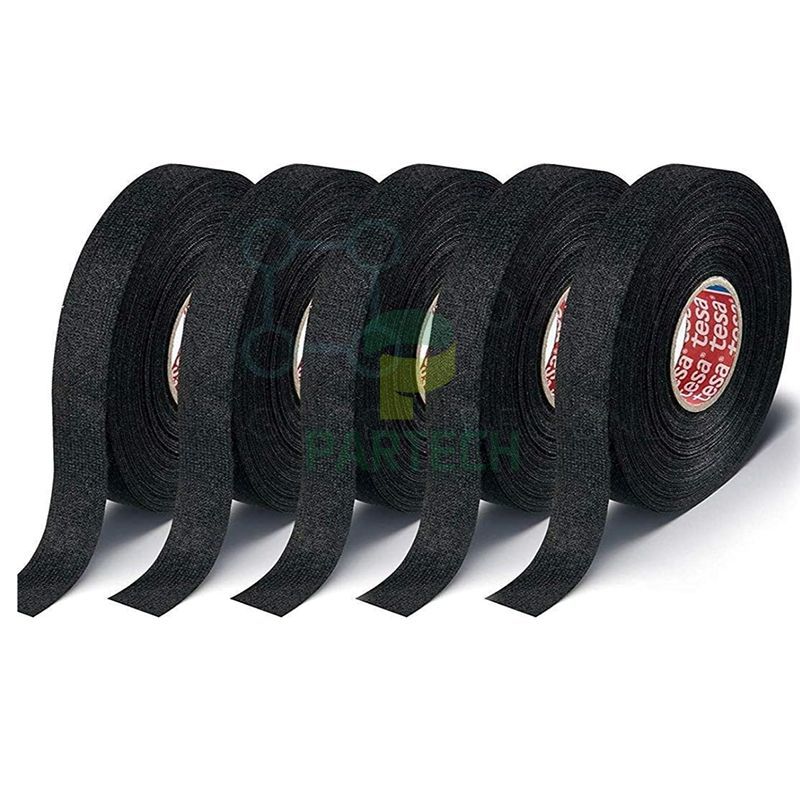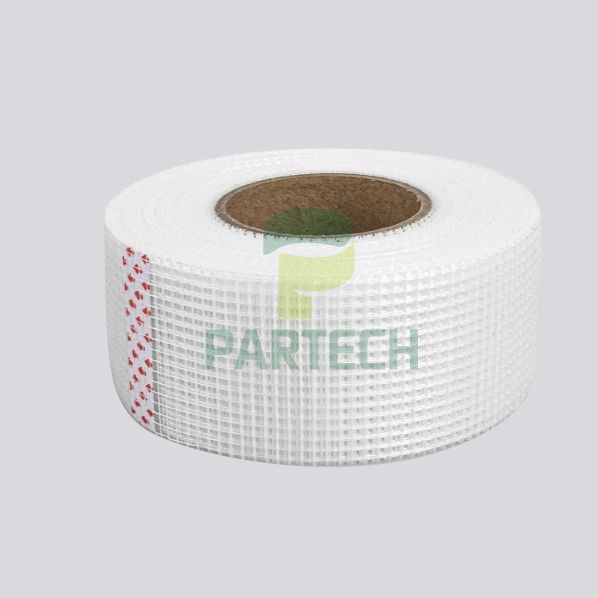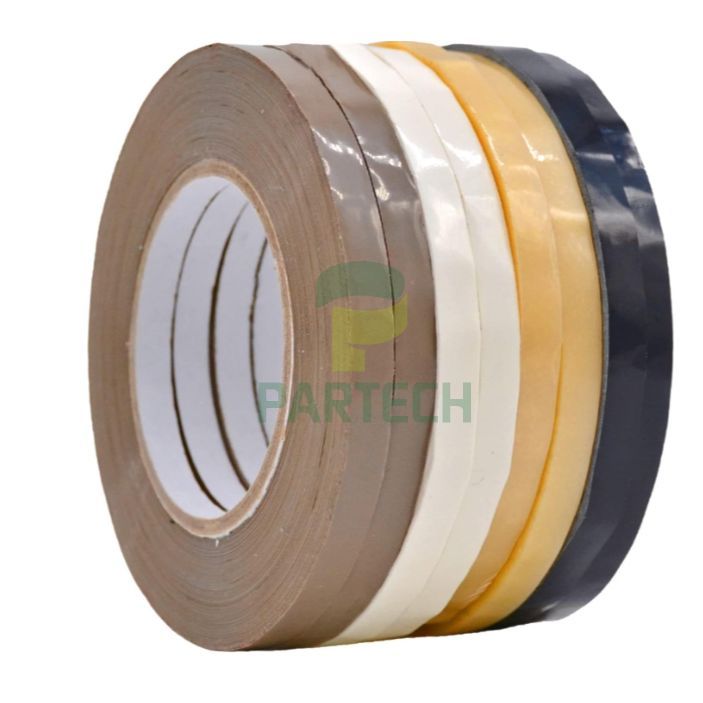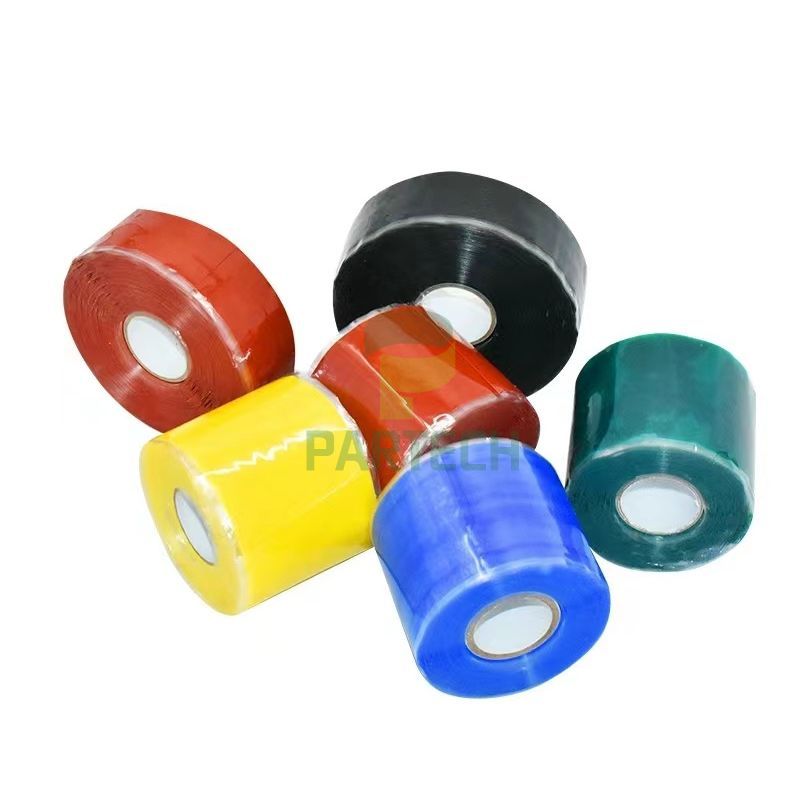

(1) High-temperature adhesive tape should be stored in a warehouse, protected from direct sunlight and rain. It must not come into contact with acids, alkalis, oils, or organic solvents. The storage environment should be kept clean and dry, located at least 1 meter away from heat sources, with an ambient temperature ranging from -15°C to 40°C.
(2) High-temperature adhesive tape should be stored in rolls and must not be folded. If stored for an extended period, the rolls should be rotated (turned over) once every quarter.
(3) When loading or unloading conveyor belts, it is best to use a crane equipped with a spreader beam to ensure a steady lift; this prevents damage to the belt edges. Avoid rough handling, which could cause the roll to loosen or unravel.
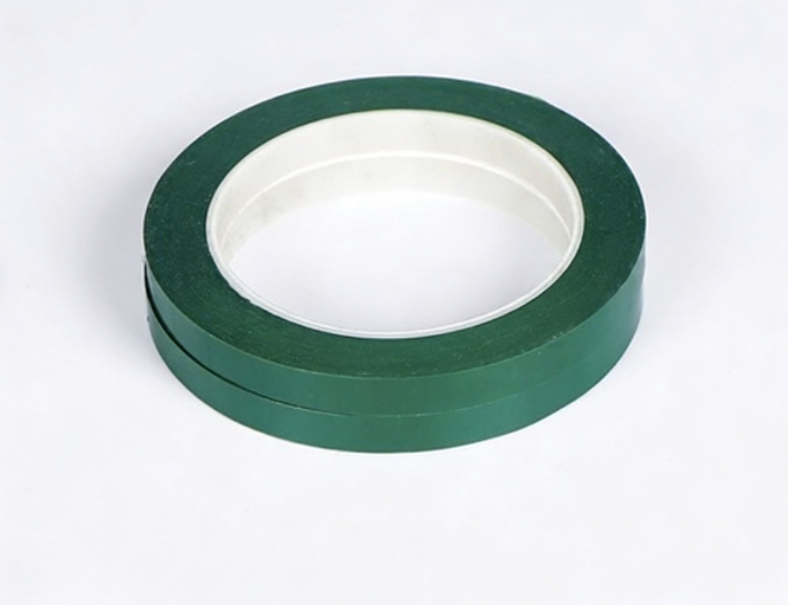
(4) The type and specifications of the high-temperature adhesive tape should be selected judiciously based on specific operational requirements and site conditions.
(5) High-temperature adhesive tapes of different varieties, specifications, strengths, or ply counts must not be spliced or combined for use together.
(6) Conveyor belt splices should ideally be joined using the hot vulcanization method to enhance reliability and maintain a high level of effective tensile strength.
(7) The diameter of the conveyor's drive pulley and the minimum diameter of the belt's tail pulley must comply with relevant regulations.
(8) Prevent the high-temperature adhesive tape from snaking or drifting laterally. Ensure that the idler rollers and vertical guide rollers remain free-moving, and maintain an appropriate level of belt tension.
(9) If the conveyor system is equipped with baffles or cleaning devices, care must be taken to prevent them from causing abrasion or wear to the high-temperature adhesive tape.
(10) Cleanliness is a fundamental prerequisite for the proper operation of high-temperature adhesive tape. The presence of foreign matter can lead to belt misalignment, uneven tension, or even belt rupture.
(11) If signs of premature damage to the high-temperature adhesive tape are observed during operation, the underlying cause should be identified and repaired immediately to prevent further adverse consequences.