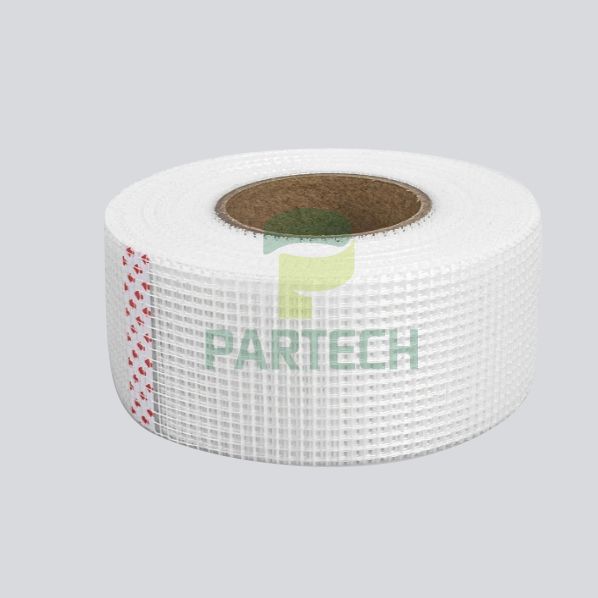

Electrical insulation tape, also known as insulating tape, is a specialized adhesive tape designed primarily for electrical insulation and protection. Its main function is to help prevent electrical leakage and provide insulation when wrapping wires, joining cables and protecting electrical components.
Electrical insulation tape generally consists of two main components: a backing material and a pressure-sensitive adhesive layer. The backing is typically made from cotton cloth, synthetic fiber fabric or plastic film, depending on the intended application. The adhesive layer is usually formulated from rubber and tackifying resins, providing bonding strength and electrical insulation properties.
With properties such as electrical insulation, voltage resistance, flame retardancy and weather resistance, electrical insulation tape is widely used in wire splicing, cable wrapping and electrical insulation protection.
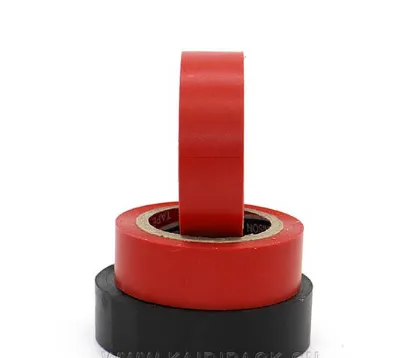
Based on their materials, construction and application characteristics, electrical insulation tapes can generally be divided into three categories: black insulation tape, PVC flame-retardant electrical tape and high-voltage self-fusing tape.
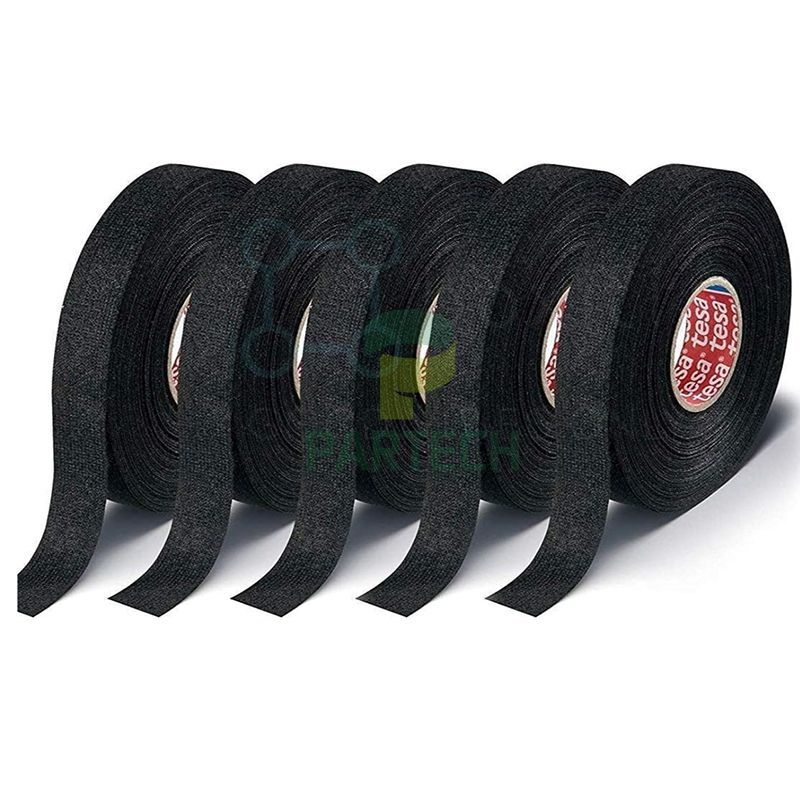
Black insulation tape is a traditional type of insulating tape primarily used for basic electrical insulation applications. Although it provides insulation, it does not offer flame-retardant or waterproof performance. With the development of more specialized electrical tapes, its applications have gradually decreased. It is now mainly used in certain household appliance applications and basic electrical maintenance work.
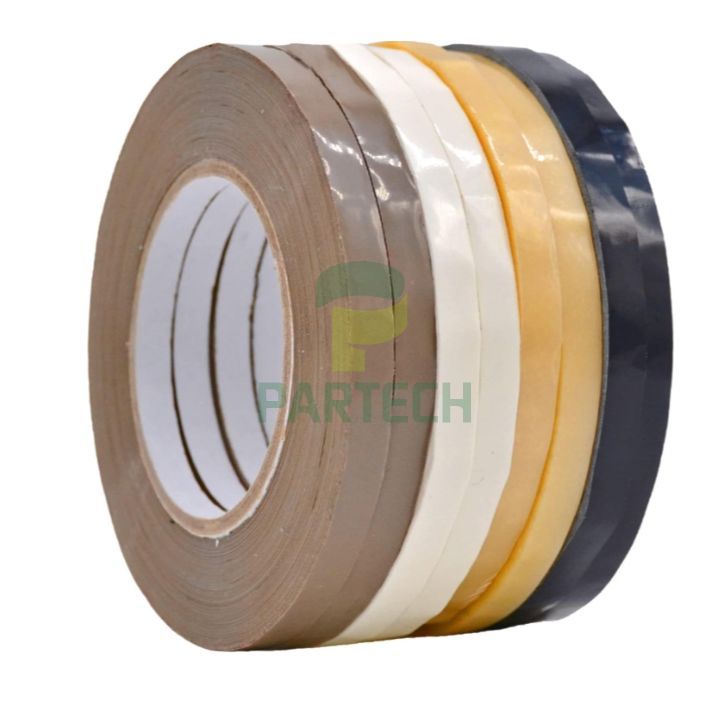
PVC flame-retardant electrical tape is made with a polyvinyl chloride (PVC) backing and a pressure-sensitive adhesive layer. It offers good electrical insulation, heat resistance, voltage resistance and cold resistance, making it suitable for various electrical installation and maintenance applications.
Typical applications include wire wrapping, cable insulation and the insulation and securing of electrical and electronic components, such as:
PVC flame-retardant electrical tape is available in a variety of colors to support wire identification, electrical organization and different application requirements. Common colors include:
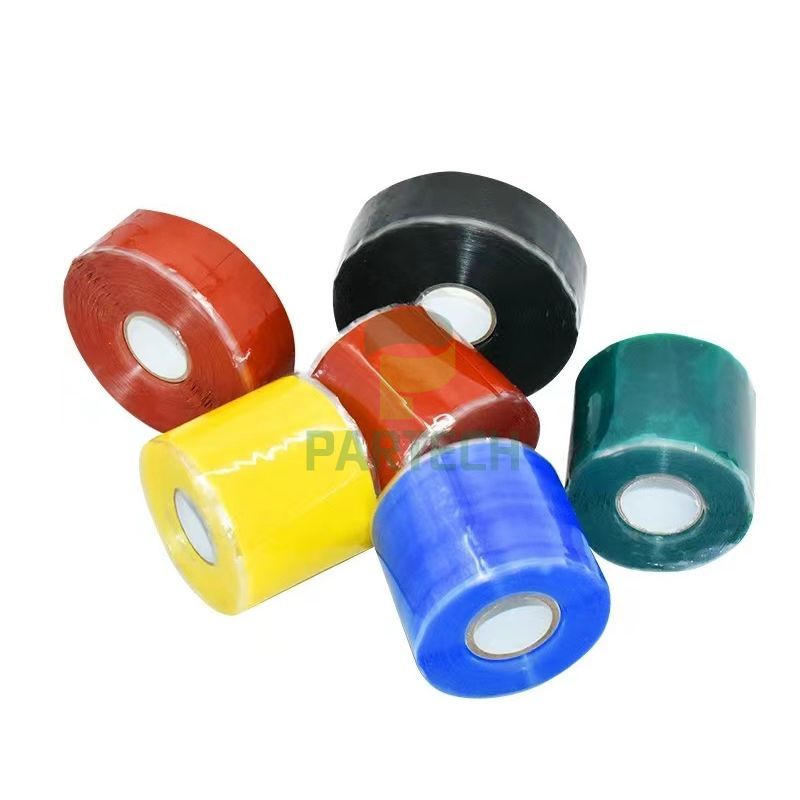
High-voltage self-fusing tape is primarily designed for higher-voltage electrical insulation applications. It features excellent elasticity and waterproofing performance, making it suitable for applications requiring reliable insulation and moisture protection.
Compared with PVC flame-retardant electrical tape, self-fusing tape offers superior waterproofing and flexibility, and can also be used in certain low-voltage applications. However, its mechanical strength is relatively lower than that of PVC flame-retardant electrical tape.
For this reason, the two types are often used together in electrical protection applications. Self-fusing tape provides insulation and moisture protection, while PVC electrical tape offers additional mechanical protection and external securing.
Different types of electrical insulation tape serve different electrical protection requirements. Black insulation tape is mainly used for basic household applications, PVC flame-retardant electrical tape is suitable for wire wrapping and electrical component insulation, while high-voltage self-fusing tape is used where higher insulation and waterproofing performance are required.
Selecting the appropriate electrical insulation tape requires consideration of the operating voltage, temperature conditions, moisture exposure, flame-retardant requirements and mechanical protection needs of the application. Matching the tape type to the actual working conditions helps improve electrical insulation reliability and service performance.