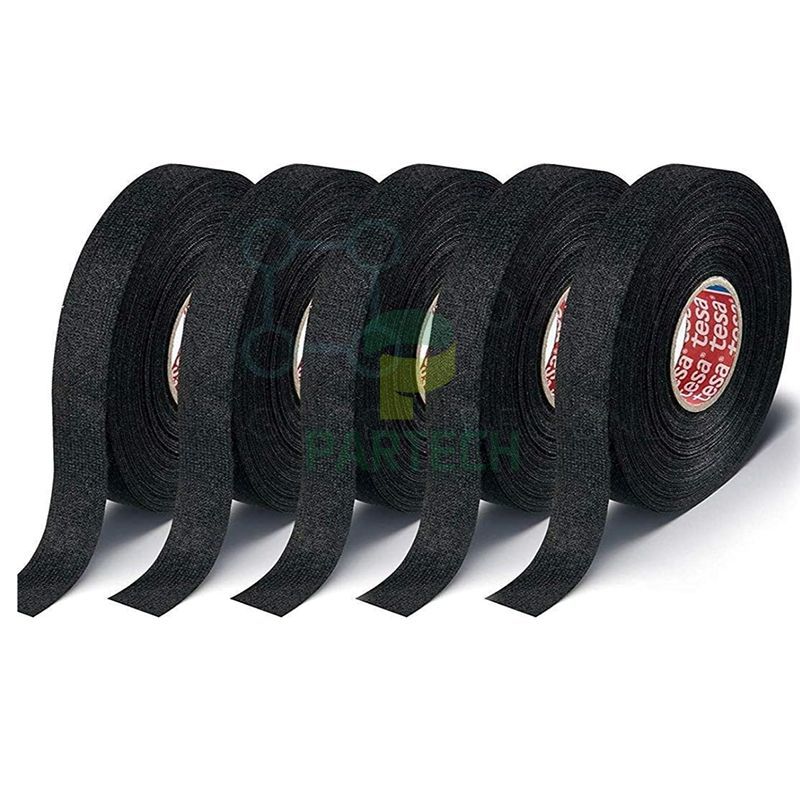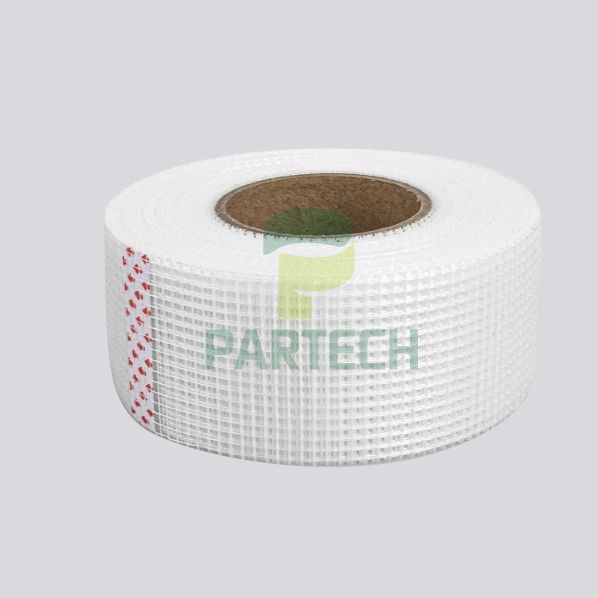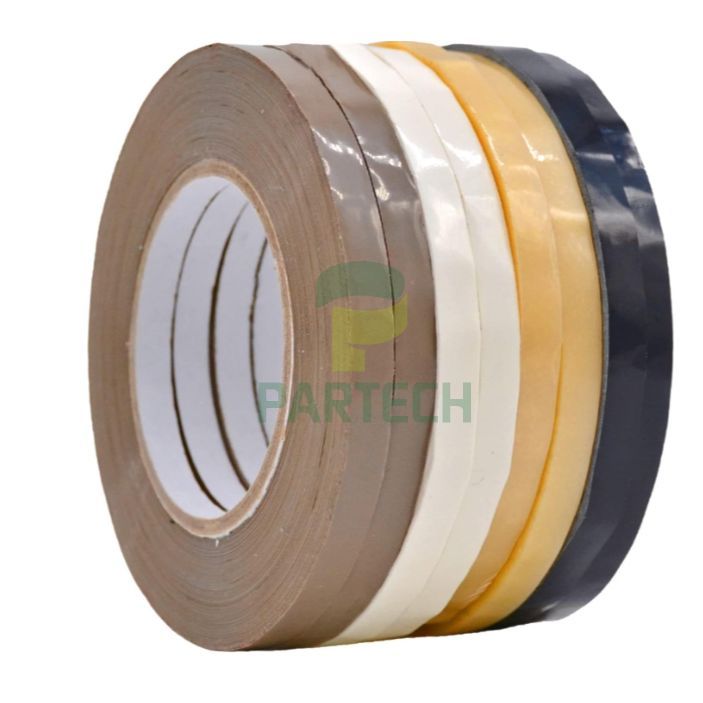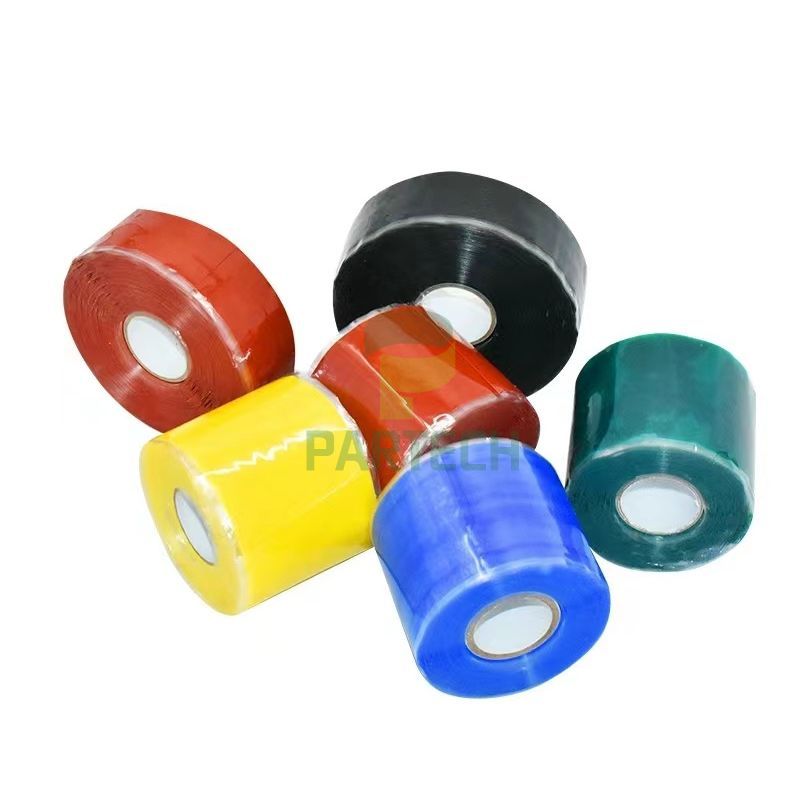

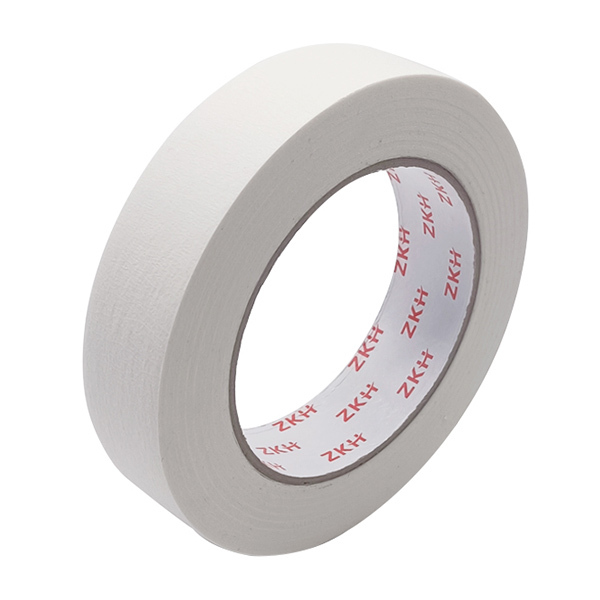
Masking tape is a high-tech decorative and spray-painting paper. Due to its special properties, it is also known as color-separation tape and is widely used in interior decoration, painting of household appliances, and painting of high-end luxury cars. Masking tape is made primarily from masking paper and pressure-sensitive adhesive. One side is coated with pressure-sensitive adhesive, and the other side is coated with a release material to form a roll of adhesive tape. It features high temperature resistance, excellent chemical solvent resistance, high adhesion, softness, and leaves no residue after removal. It is commonly referred to in the industry as masking pressure-sensitive adhesive tape. It is suitable for masking and protecting the surfaces of automobiles, metal or plastic parts and furniture with high-temperature baking paint, and is also suitable for the electronics, electrical appliances, varistors, and circuit board industries.
What precautions should be taken when using masking tape?
1. The substrate to be bonded should be dry and clean; otherwise, the adhesive effect of the tape will be affected.
2. Apply sufficient force to ensure good adhesion between the tape and the substrate.
3. After use, peel off the tape as soon as possible to avoid residue.
4. Tapes without UV protection should be kept away from sunlight to prevent residue buildup.
5. The same tape will produce different results in different environments and on different substrates; for example, glass, metal, and plastic. A trial test should be conducted before large-scale use.
Mask tape is made of masking paper and pressure-sensitive adhesive. It has advantages such as high temperature resistance and high adhesion. It is used for capacitors, electronic components, and strip packaging; when used with kraft paper tape, it is suitable for spray painting or edge application of other ordinary paints; it is also used for masking the unplated parts of precision electroplated parts.