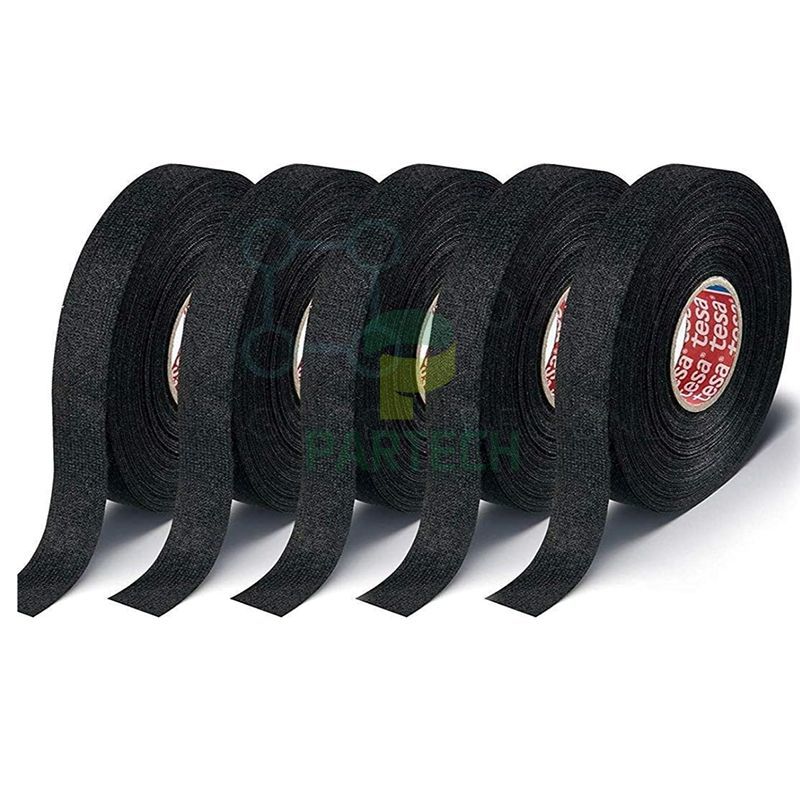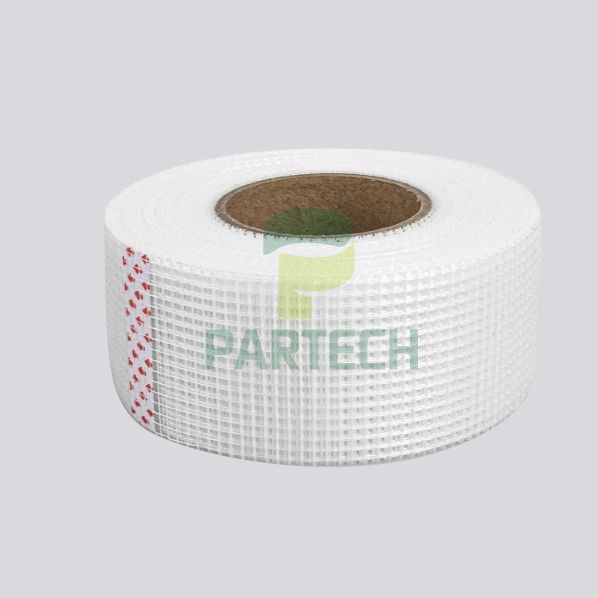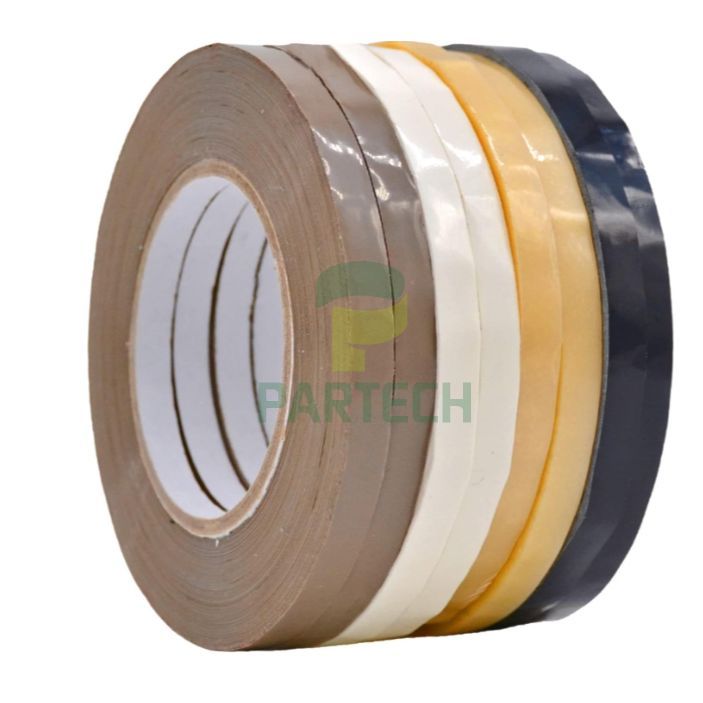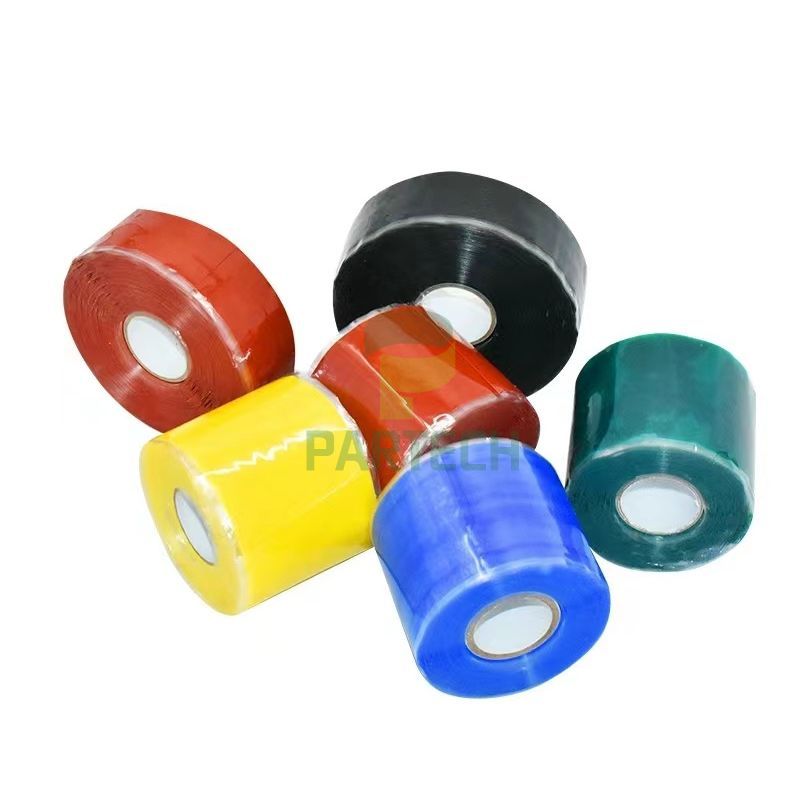

It's because it's coated with an adhesive! The earliest adhesives came from animals and plants. In the 19th century, rubber was a major component of adhesives; while today, various polymers are widely used. Adhesives stick because their molecules form bonds with the molecules of the object being bonded, firmly binding the molecules together. The composition of adhesives varies depending on the brand and type, using various polymers.
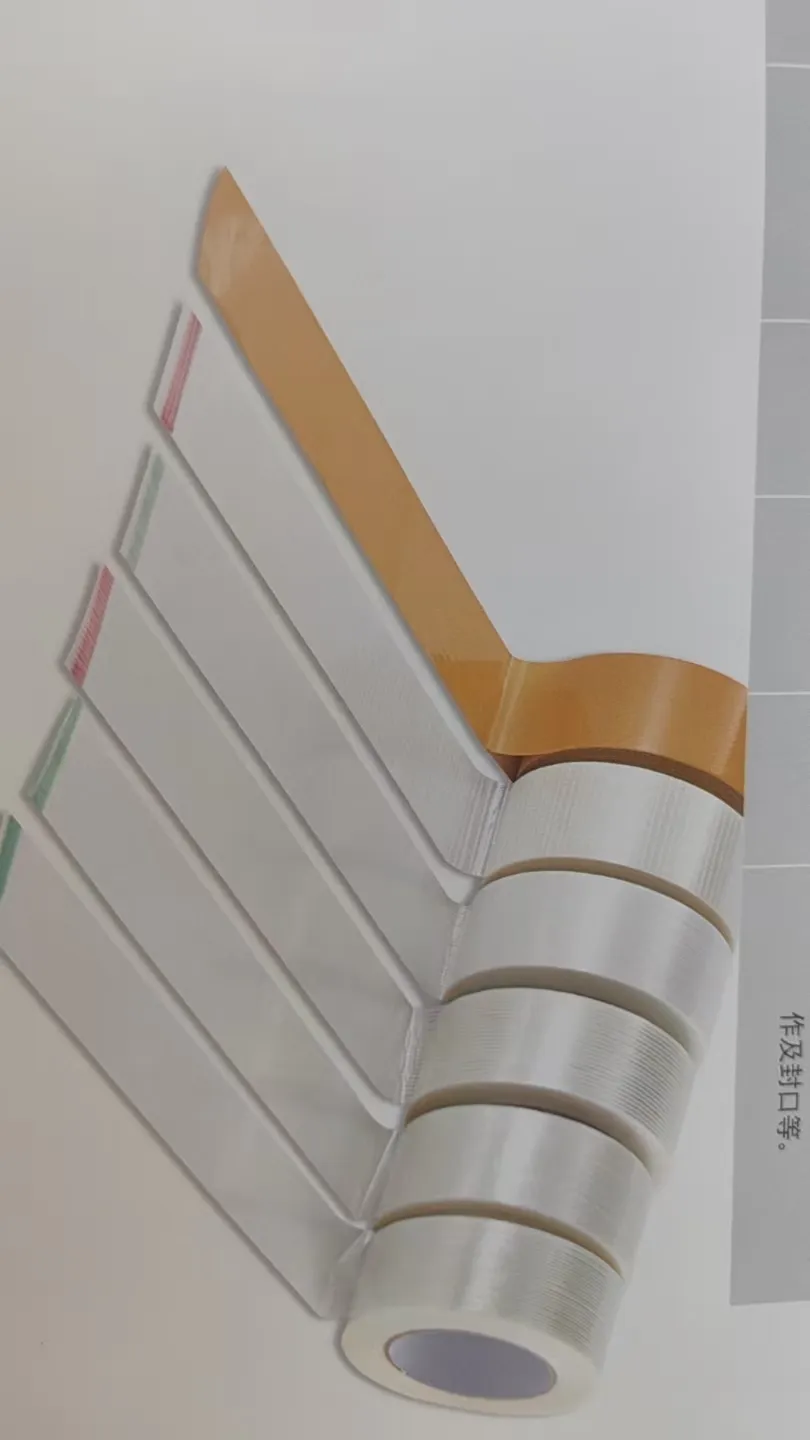
BOPP (Biaxially Oriented Polypropylene) tape is an indispensable item in any business, company, or individual's life. There isn't a comprehensive national standard for the tape industry; there is only one industry standard: <<QB/T2422-1998 BOPP Pressure-Sensitive Adhesive Tape for Sealing Boxes>>.
Adhesive tape is made by roughening one surface of BOPP film through high-voltage corona treatment, applying adhesive, and then slitting it into small rolls—the tape we use daily. The adhesive used in tape is acrylic adhesive, also called pressure-sensitive adhesive, and its main component is ester. Adhesive is a highly reactive polymer, and temperature affects its molecular activity. The adhesive content directly impacts the performance of the tape. Normal sealing tape has an initial tack strength between 13 (steel ball grade), and the adhesive thickness is typically 22 micrometers, which meets standard requirements. Adhesive tapes can be categorized by their function into: high-temperature tapes, double-sided tapes, insulating tapes, special tapes (pressure-sensitive tapes), die-cut tapes, anti-static tapes, and anti-static warning tapes. Different functions suit different industry needs.
1. Appearance: HG/T2408-1992
QB/T 2422-1998
2. Dimensions: HG/T2408-1992
QB/T 2422-1998
3. Initial Tack: GB/T4852
4. Holding Power: GB/T4851
5. Tensile Strength (Longitudinal), Elongation at Break: GB/T7753
6. Tear Resistance (Transverse): GB/T455.1
7. Substrate Thickness: GB/T7125
8. Paper Core Inner Diameter: QB/T2422-1998
9. Peel Strength at 180°C (Normal Condition - Damp Heat Aging): GB/T2792