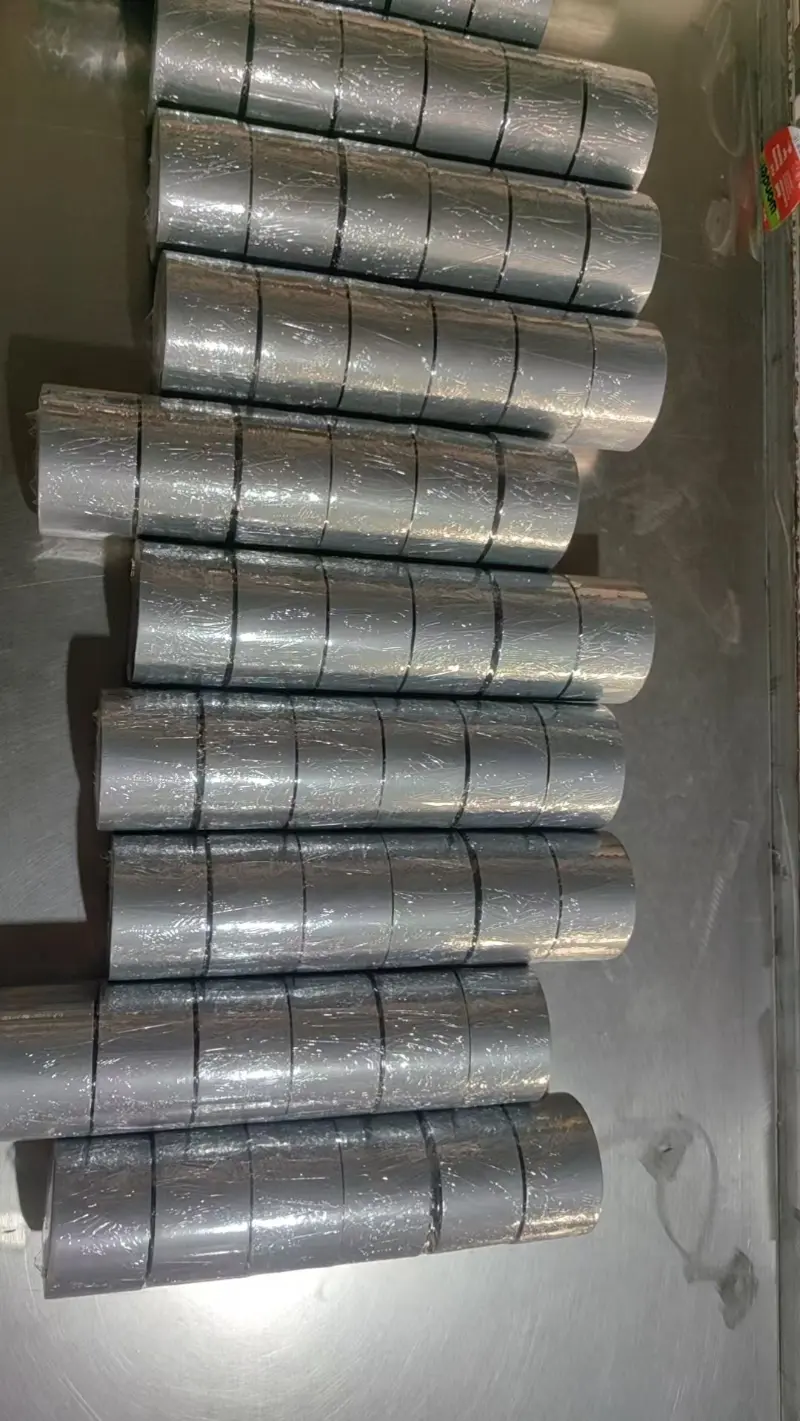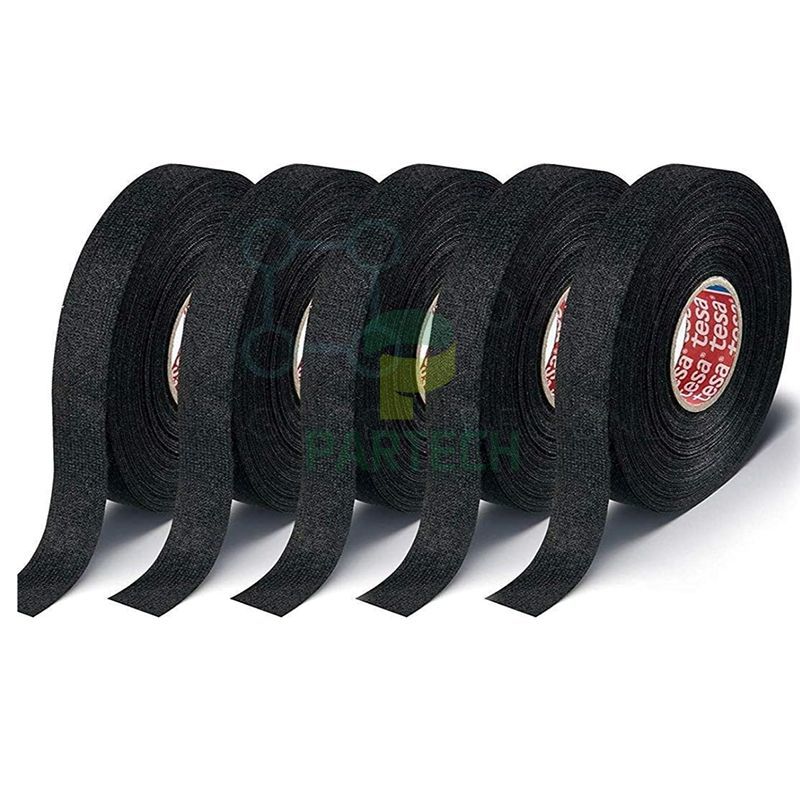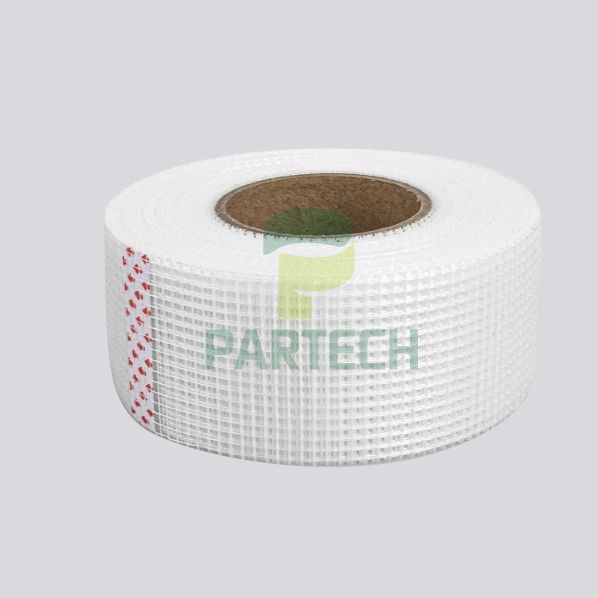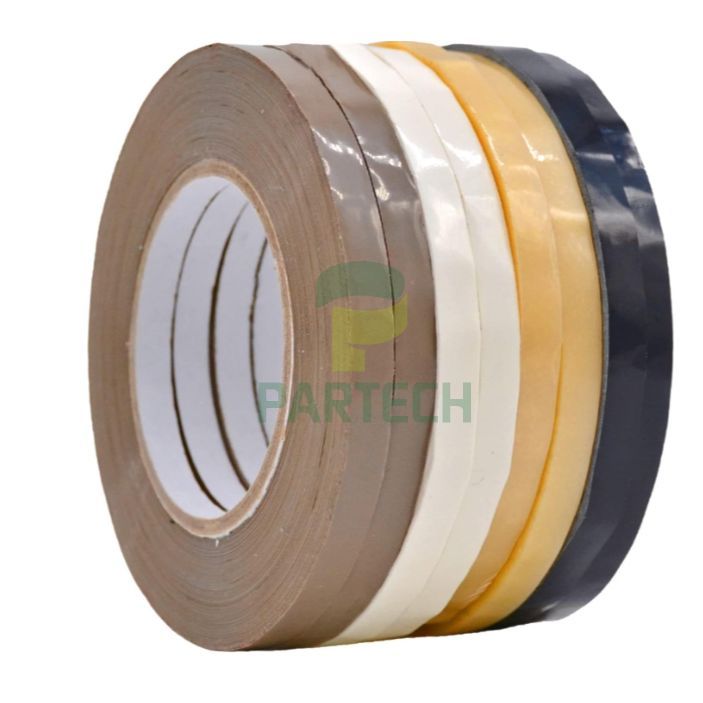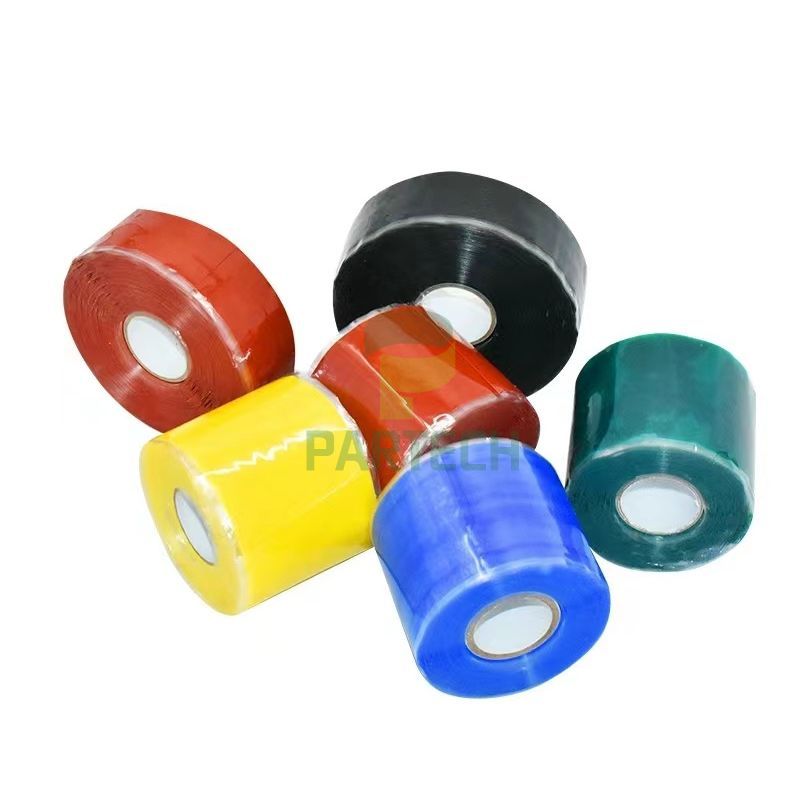

While people are aware that the cross-sectional area of power cord materials affects electrical safety during electricity use, they often don't pay enough attention to the use of insulating tape at joints. Improper use of insulating tape can cause leakage, endangering personal safety or causing fires. So, how should insulating tape be used correctly? Power cord joints are divided into "+" type, "-" type, "T" type, etc. The joint should be securely wrapped, smooth and free of burrs. Before breaking the wire end, lightly press it with wire cutters, then wrap it around to the opening, and then swing it left and right; the wire end will break off neatly at the joint. If the joint is in a dry place, first wrap it with two layers of insulating black cloth, then two layers of plastic tape (also called PVC adhesive tape), then wrap two or three layers of J-10 self-adhesive insulating tape stretched to about 200%, and finally wrap two layers of plastic tape. Using plastic tape directly has many drawbacks: over time, the tape can misalign and peel; under heavy electrical loads, the joints heat up, causing the tape to melt and shrink; power connectors pressing against each other inside junction boxes, especially with burrs, can easily puncture the tape, posing direct safety risks, causing electrical malfunctions, and potentially leading to fires. Using insulating black tape avoids these problems. It has strength and flexibility, can tightly wrap around the joint for a long time, and remains fixed and resistant to detachment due to time and temperature changes. It is also flame-retardant. Furthermore, wrapping with insulating black tape before applying adhesive tape provides moisture and rust prevention. While insulating self-adhesive tape has its drawbacks—it is waterproof but easily broken—it requires two layers of plastic tape as a protective layer. The insulating self-adhesive tape between joints does not stick to each other, resulting in better performance.
Black tape: Made from cotton cloth as the base material, calendered, it has good insulation and wrapping properties, is inexpensive, and resistant to aging. Used for wrapping joints in low-voltage lines, it offers stable insulation performance and is relatively heat-resistant, but susceptible to water damage. Its insulation performance decreases upon exposure to moisture and it loses its insulating properties after immersion in water. Self-adhesive plastic tape (waterproof tape): Offers excellent insulation and good water resistance, making it a widely used electrical insulation material. It has poor heat resistance and works well when used in conjunction with black electrical tape.
Self-adhesive tape: Offers good tensile strength and self-adhesion, high waterproof and sealing properties, used for joints in deeper water. It is used in conjunction with black electrical tape and plastic tape, but is susceptible to oil and sunlight damage.