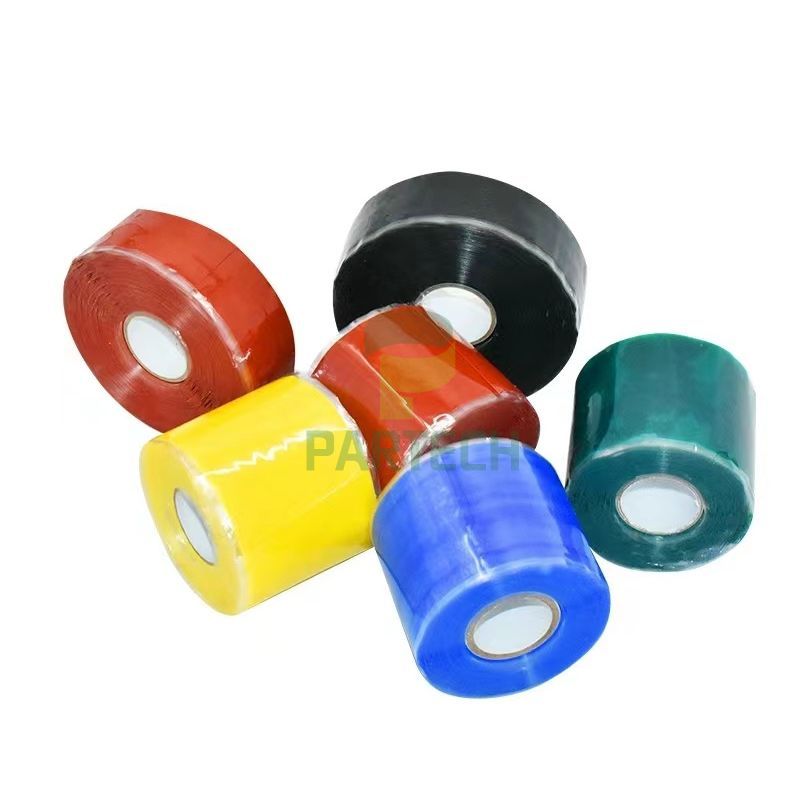

1. Conveyor tape should be stored in a warehouse, avoiding direct sunlight and rain; contact with acids, alkalis, oils, and organic solvents is prohibited. Keep it clean and dry, at least 1 meter away from detection devices, and at a room temperature between -15°C and 40°C.
2. Conveyor tape should be stored in rolls, not folded. If stored for an extended period, it should be turned over once per season.
3. When loading and unloading conveyor belts, it is best to use a crane and a sling with a crossbeam to lift them smoothly, avoiding damage to the belt edges. Do not handle them roughly, causing loosening or slippage.
4. The type and specifications of the conveyor tape should be selected rationally according to the usage needs and specific conditions.
5. Do not connect (group) different types, specifications, models, strengths, and ply counts of conveyor tape together.
6. Conveyor belt joints are best joined using hot vulcanization to improve reliability and maintain high effective strength.
7. The diameter of the conveyor roller and the minimum pulley diameter of the conveyor belt should comply with relevant regulations.
8. Avoid allowing the conveyor belt to snake or creep. Keep the idler rollers and vertical rollers flexible and maintain appropriate tension.
9. When the conveyor is equipped with baffles and cleaning devices, avoid abrasion to the conveyor belt.
10. Cleanliness is a fundamental condition for the proper operation of the conveyor belt. Foreign substances can affect belt eccentricity, tension differences, and even breakage.
11. If premature damage to the conveyor belt is observed during use, the cause should be identified and repaired promptly to prevent adverse consequences.