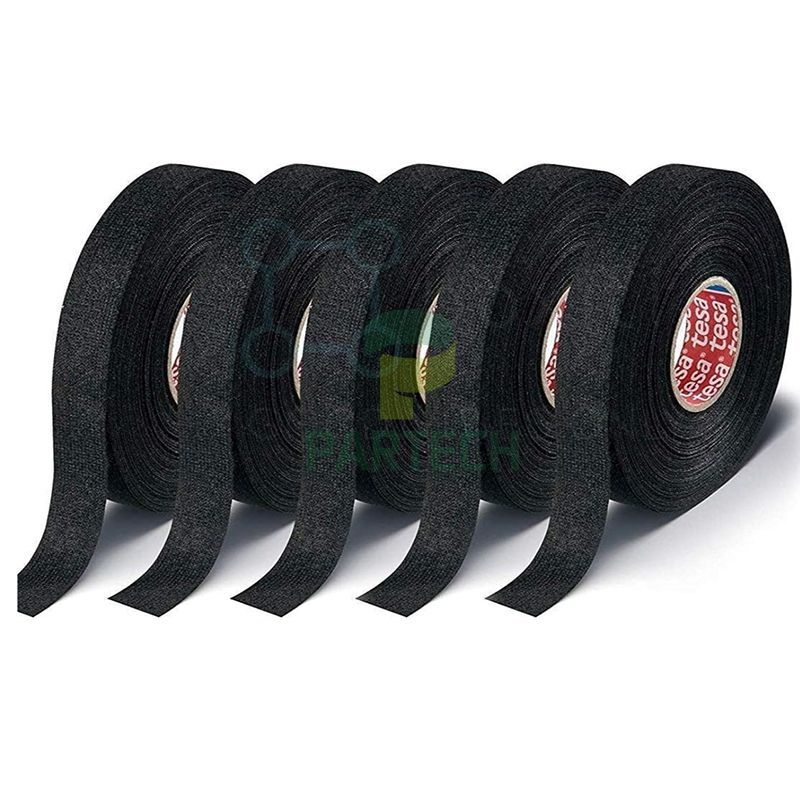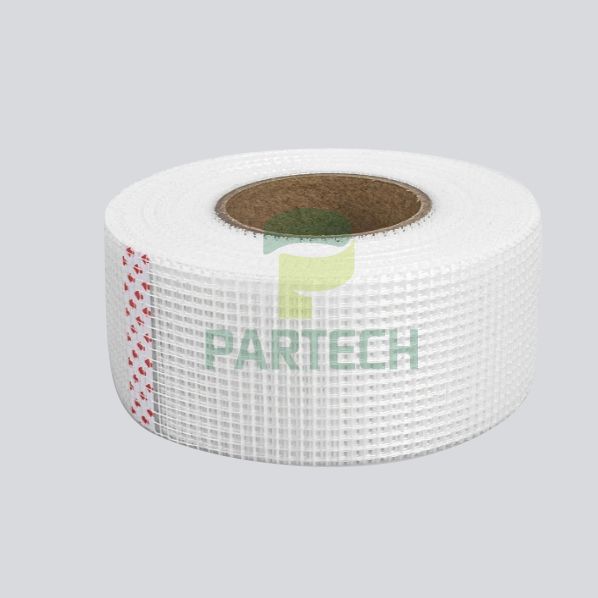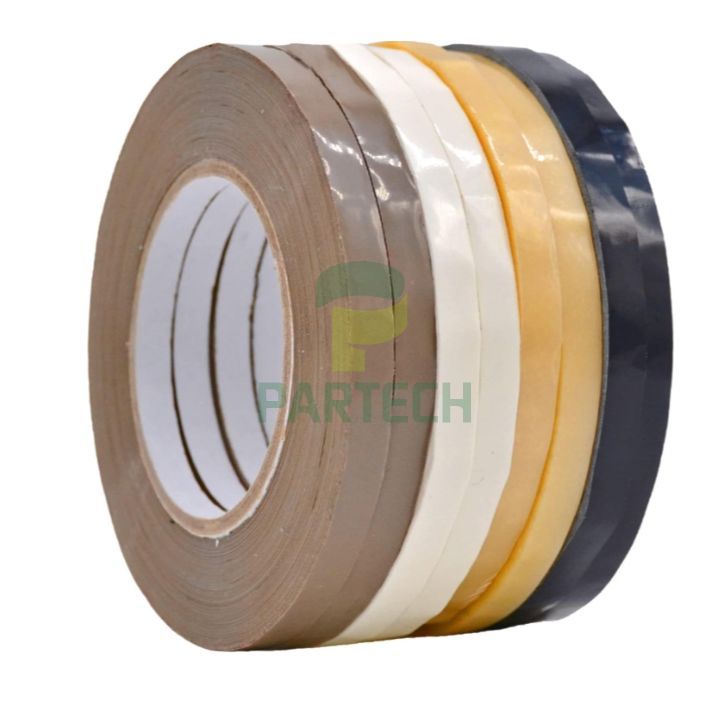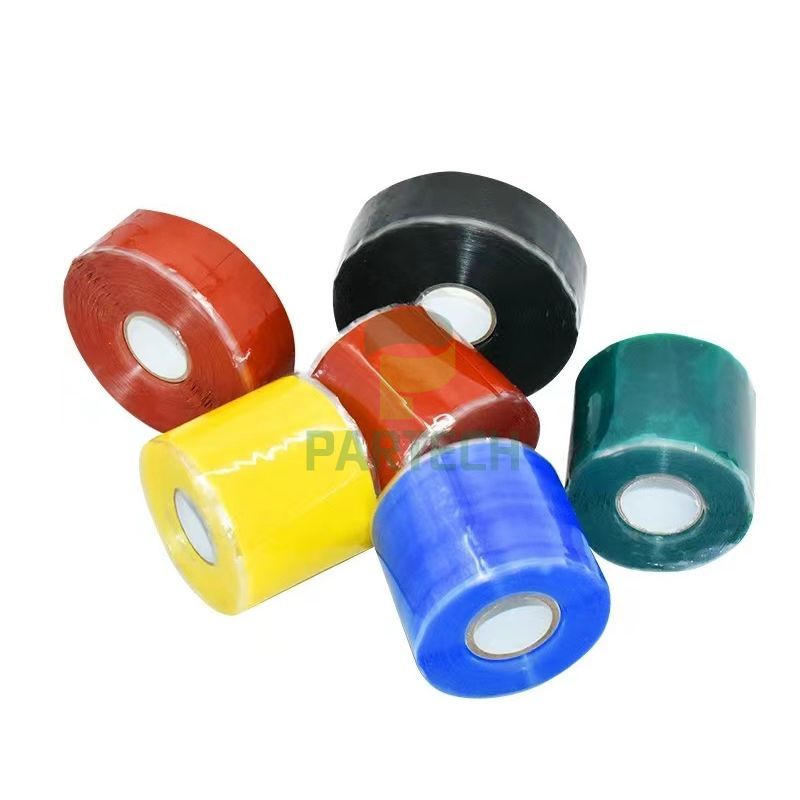

The differences between masking tape and washi tape are as follows:
Masking tape is primarily made from crepe paper and pressure-sensitive adhesive; the adhesive is coated onto the paper backing, while the reverse side is treated with a release agent to allow it to be wound into a roll. Washi tape uses "washi" (Japanese paper) as its base material, which is soft in texture. It comes in five colors—yellow, red, black, white, and blue—and is resistant to substances such as banana oil (lacquer thinner), xylene, and general paint thinners, preventing issues like adhesive failure or color bleeding.
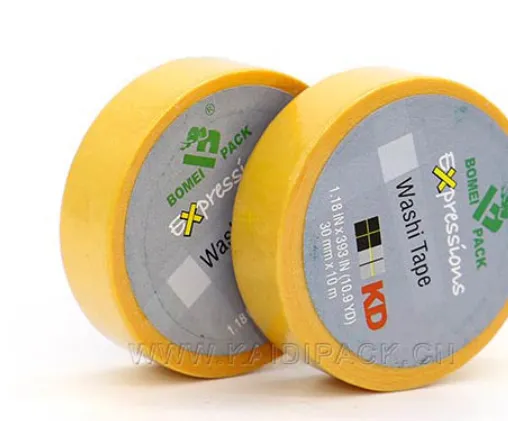
Masking tape is characterized by high-temperature resistance, excellent resistance to chemical solvents, strong adhesion, flexibility (conformability), and clean removal without leaving residue. Washi tape offers moderate adhesion with good initial tack and holding power; it adheres easily to various surfaces and is easy to apply. It securely holds masking film or paper in place—preventing sliding or detachment—and features a dense material structure with good solvent resistance. It is easy to tear by hand without snapping prematurely and can be removed in a single piece after use.
Masking tape is suitable for masking and protection during high-temperature baking or spray painting processes on automotive bodies, metal or plastic components, and furniture surfaces; it is also used in industries such as electronics, electrical appliances, varistor manufacturing, and circuit board production. Washi tape is primarily suited for masking applications involving sports equipment, rubber and plastic parts, construction sites, and interior or exterior decoration and renovation (including spray and brush painting).