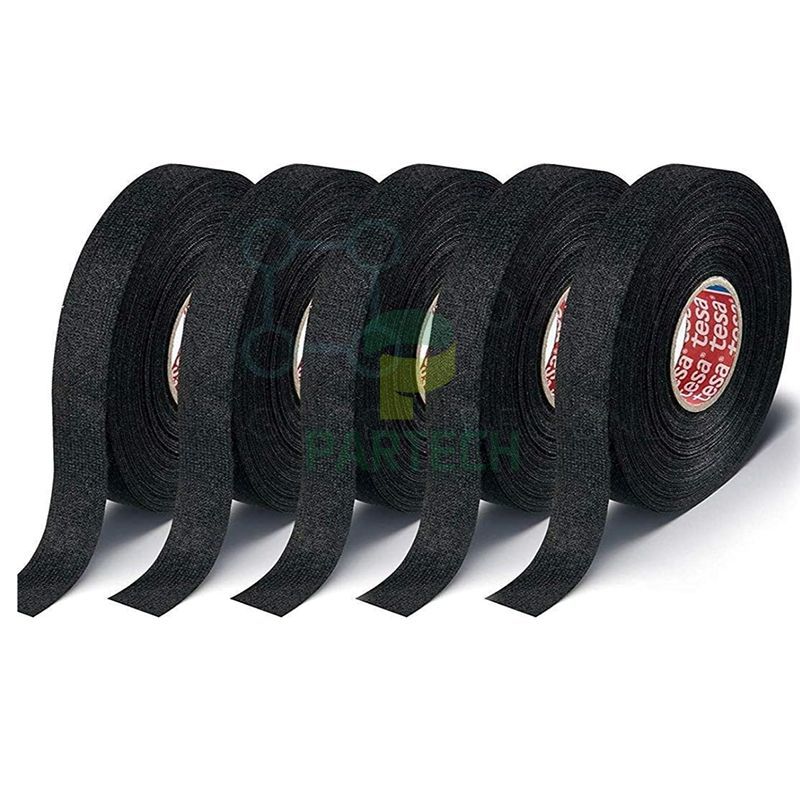

We all know that the most basic difference between synthetic rubber cloth-based tape and natural rubber cloth-based tape lies in their materials. One is natural; natural rubber primarily comes from rubber trees. When the bark of these trees is cut, a milky white sap called latex flows out. This latex is then coagulated, washed, shaped, and dried to obtain natural rubber.
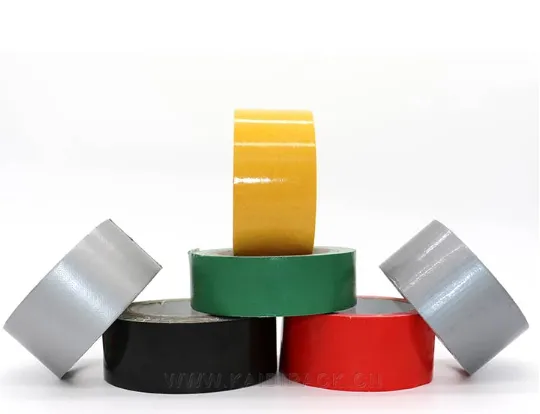
The other is synthetic; synthetic rubber tape is made through artificial synthesis. Different types of rubber can be synthesized using different raw materials (monomers). Of course, besides the above differences, what other differences exist?
The main differences between synthetic rubber cloth-based tape and natural rubber cloth-based tape are as follows:
One: Different International Standards: Natural rubber cloth-based tape generally meets international environmental certifications and complies with the EU RoHS directive. It fully meets internationally accepted environmental requirements. Synthetic rubber cloth-based tape, however, cannot meet these international environmental requirements.
Second: Smell Test: Users can smell the adhesive in the cloth-based tape; the two types of tape have distinct smells. Natural rubber cloth-based tape has a natural rubber smell, while synthetic rubber cloth-based tape does not.
Third: Burn Test: Users can also place both types of cloth-based tape close to each other and burn them with a lighter to observe the differences. Synthetic rubber cloth-based tape will show boiling, melting adhesive after burning, while natural rubber will not exhibit this phenomenon.