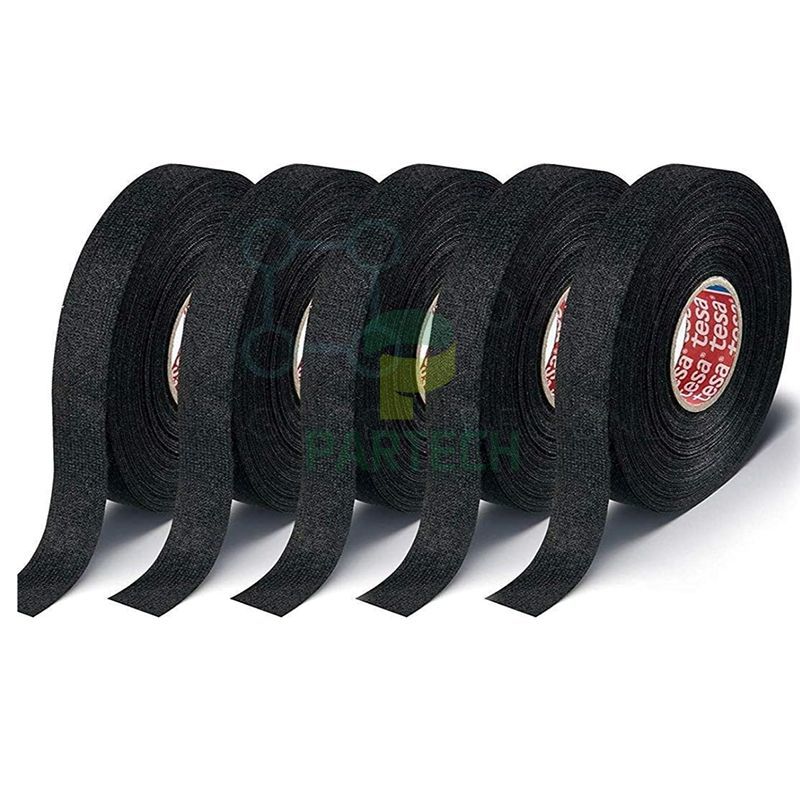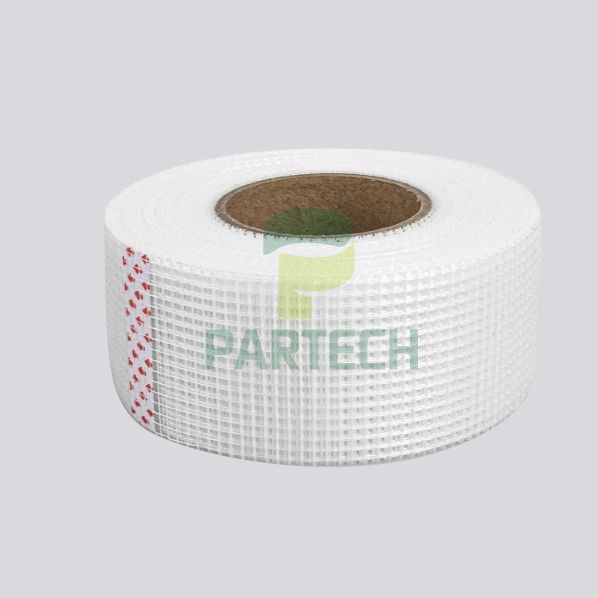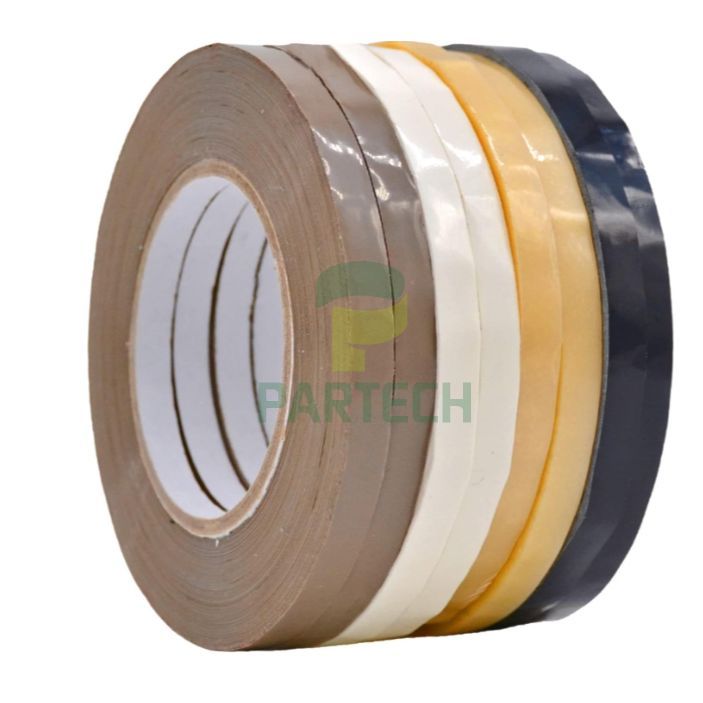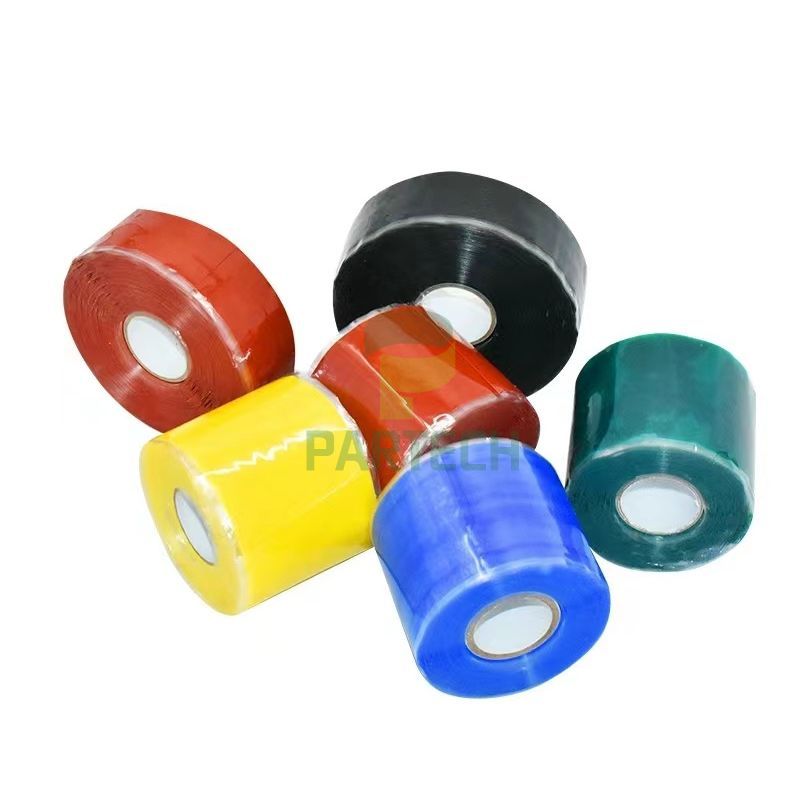

Tapes are widely used in automotive wiring harnesses for bundling, protection, insulation, noise and vibration reduction, identification, and securing components. As the automotive industry evolves and design concepts advance, the requirements for tape functionality and performance have become increasingly diverse depending on the harness's location. A wide variety of tapes—featuring different styles and material properties—have emerged across the industry to ensure robust protection and enhanced performance for automotive wiring harnesses.
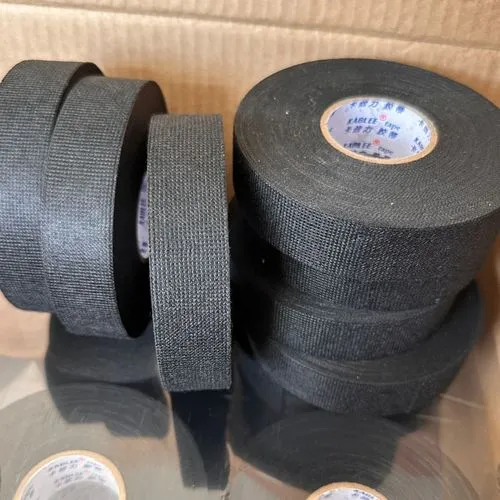
For tapes used in automotive wiring harnesses, critical characteristics include temperature resistance, flame retardancy, noise reduction capabilities, compatibility with wire insulation, abrasion resistance, low-fogging properties, and resistance to oil and corrosion.
While the low-temperature requirement for vehicle-wide wiring harnesses is consistently -40°C, high-temperature requirements vary significantly based on the specific location within the vehicle. Ambient temperatures differ across the vehicle body, necessitating different heat-resistance ratings for tapes used in different areas: 105°C–150°C for the engine compartment and 85°C–105°C for the vehicle interior. A detailed analysis follows below.
Regarding engine compartment harnesses: this area experiences the highest ambient temperatures. In specific locations—such as directly above the engine block—peak temperatures can reach 135°C, while temperatures under the hood can hit 95°C. Consequently, tapes used in close proximity to the engine must possess high heat resistance.
Tapes used on engine harnesses generally serve two purposes: when the harness lacks protective tubing, the tape provides primary protection, requiring a heat resistance rating of at least 130°C; when the harness utilizes protective tubing, the tape primarily secures the tubing, requiring a heat resistance rating of at least 105°C.
For interior harnesses—such as those for the dashboard, floor, headliner, and doors—the components are located within the passenger cabin; in these areas, a heat resistance rating of 85°C is sufficient to meet requirements. Flame Retardancy
Tape flame-retardant properties vary depending on the material; some are flame-retardant, some neither support nor inhibit combustion, and others promote combustion. Flame-retardant PVC tape is the preferred choice for interior wiring harnesses.
During use, rough surfaces and sharp edges can tear the tape, causing the harness to lose its insulation, bundling, and sealing capabilities, or even leading to safety incidents. Therefore, tape used in these critical areas must possess high abrasion resistance.
Wiring harnesses for dashboards and doors are often installed against sheet metal or rigid materials. Since certain main lines, branch lines, or connectors may not be fully immobilized, collisions between the harness and rigid materials can occur during driving. The resulting noise causes discomfort for drivers and passengers; thus, the tape used in these areas must provide effective noise reduction.
Common tape adhesives include acrylic, rubber, synthetic rubber, and polyacrylate pressure-sensitive adhesives. Compatibility issues can arise during the harness wrapping process—for instance, standard tapes often lack compatibility with halogen-free wire insulation—so this factor must be considered during the design phase.
Tapes used on interior wiring harnesses must exhibit low fogging and volatile emission characteristics. If these standards are not met, rising ambient temperatures can cause the tape to release substances and odors that irritate the senses of vehicle occupants, reducing comfort, increasing driver fatigue, and raising the risk of accidents.
The engine compartment presents a complex operating environment where substances such as acids and oil pose significant threats to wiring harnesses. These harsh conditions can degrade tape performance and shorten its service life; consequently, tapes used for engine and engine compartment harnesses must offer superior resistance to oil and corrosion.