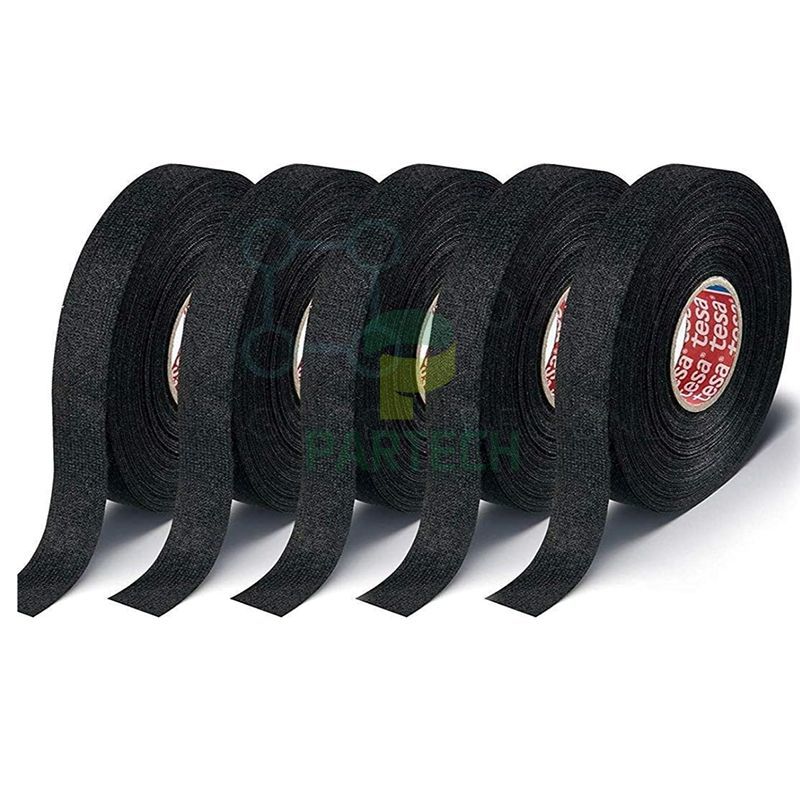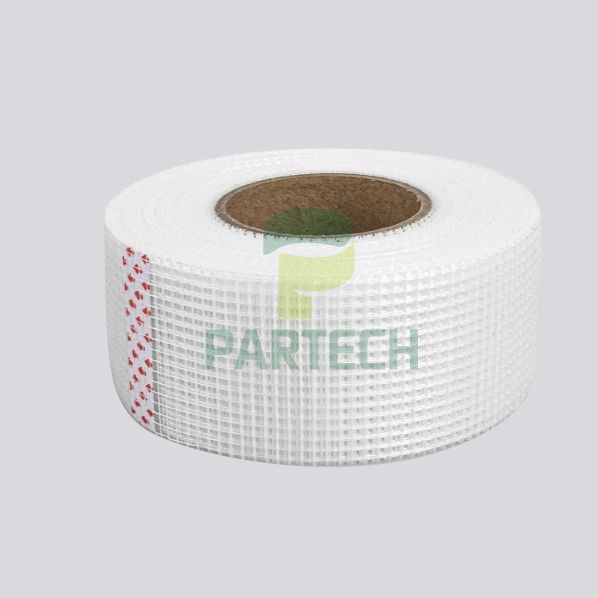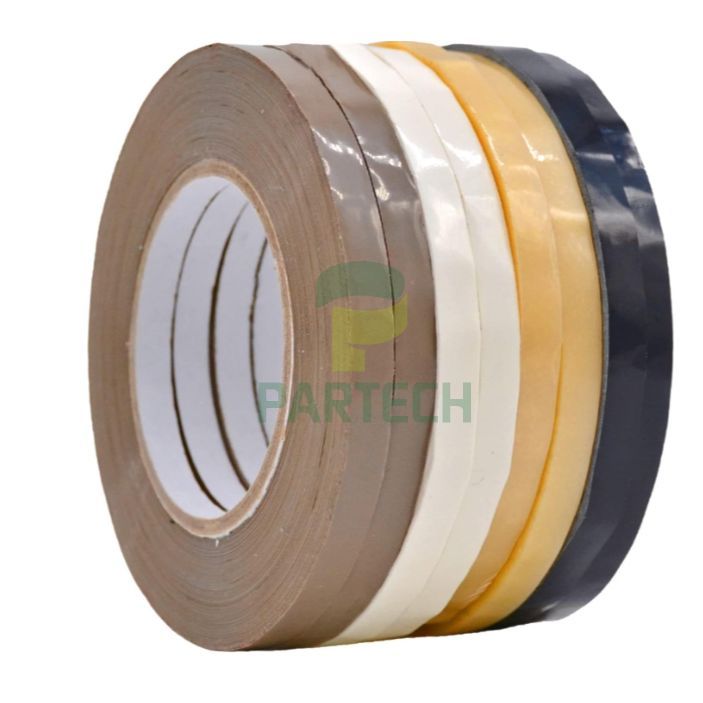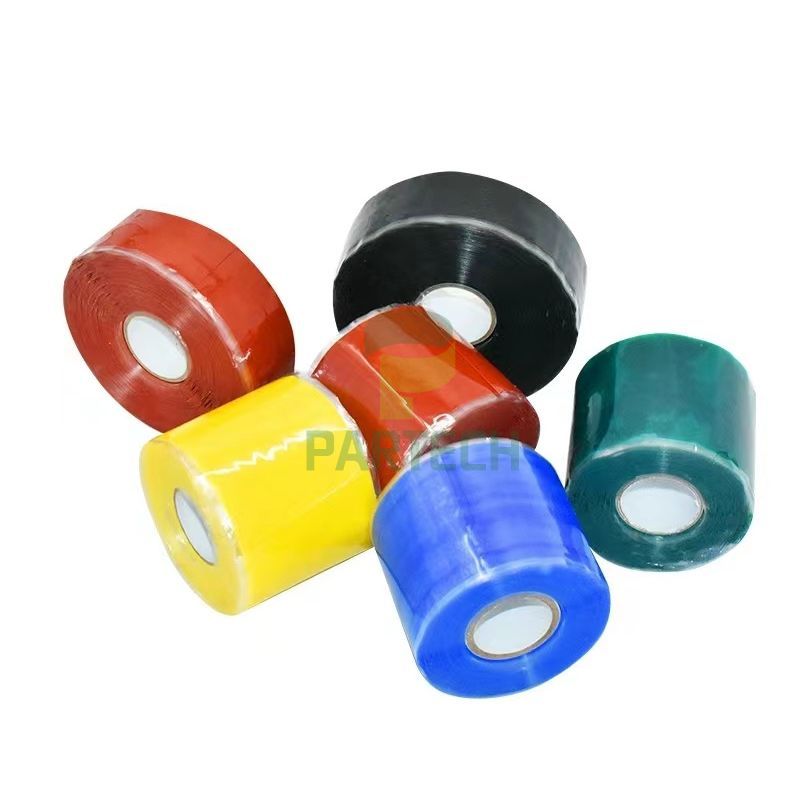

High-temperature LED encapsulation tape is primarily used for protection and fixation during the LED encapsulation process, especially in epoxy resin filling and high-temperature curing, where it plays a sealing and protective role.
Characteristically made of high-performance silicone pressure-sensitive adhesive, the tape offers excellent performance within a thickness range of 65-70µm. It is suitable for sealing LED dot matrix blocks, digital tubes, and displays, effectively protecting LEDs from damage. Its transparent or green properties make impurities clearly visible on the reflective cover, improving work convenience.
The tape has good chemical resistance and weather resistance, leaves no residue after use, does not leak, meets RoHS environmental requirements, offers high cost-effectiveness, and can replace imported products, making it widely used in the LED encapsulation field.
High-temperature LED encapsulation tape plays a crucial role in LED encapsulation, ensuring the quality and reliability of LED components while meeting environmental requirements, making it an indispensable part of modern electronic packaging technology.
As an indispensable part of LED technology development, high-temperature LED encapsulation tape plays a vital role in the LED product encapsulation process. This article will comprehensively analyze the process, performance, and applications of high-temperature LED encapsulation tape to help you gain a deeper understanding of this product.
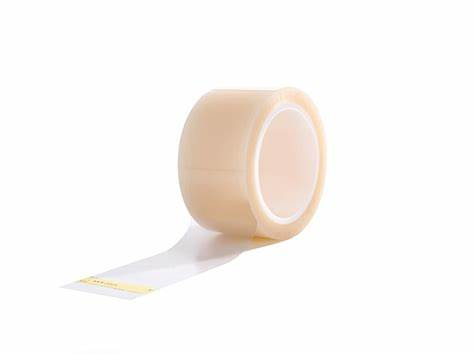
The manufacturing process of high-temperature LED encapsulation tape is complex and precise, mainly including several steps such as substrate selection, adhesive coating, and curing.
Substrate Selection: High-temperature LED encapsulation tape typically uses high-quality PET or PI films as the substrate. These materials possess excellent high-temperature resistance and electrical insulation properties, providing a solid foundation for the overall performance of the tape.
Adhesive Coating: Applying a layer of high-temperature resistant and electrolyte-resistant acrylic adhesive to the substrate is a crucial step in the production of high-temperature LED encapsulation tape. This adhesive layer not only determines the tape's adhesion performance but also directly affects its stability and reliability in high-temperature environments.
Curing Treatment: After adhesive coating, a rigorous curing process is required to ensure a tight bond between the adhesive and the substrate, while simultaneously improving the overall strength and durability of the tape.
The widespread application of high-temperature LED encapsulation tape in the LED encapsulation field is primarily due to its superior performance.
High Temperature Resistance: LED encapsulation high-temperature tape maintains stable adhesion at temperatures reaching hundreds of degrees Celsius, resisting melting or deformation, thus ensuring the stability and reliability of LED products during the encapsulation process.
Electrical Insulation Performance: Utilizing high-quality substrate and adhesive, LED encapsulation high-temperature tape exhibits excellent electrical insulation properties, effectively preventing current leakage and protecting the circuit safety of LED products.
Electrolyte Resistance: Electrolyte is indispensable in LED encapsulation. LED encapsulation high-temperature tape possesses excellent electrolyte resistance, maintaining stable adhesion in electrolyte environments and not failing due to electrolyte corrosion.
Ease of Handling and High Adhesion: LED encapsulation high-temperature tape has moderate adhesion, making it easy to handle during the encapsulation process while ensuring a tight bond between the tape and the LED product, improving encapsulation efficiency and quality.
High-temperature adhesive tape for LED encapsulation has a wide range of applications in the LED product encapsulation process, mainly including the following:
LED Chip Encapsulation: In the LED chip encapsulation process, high-temperature adhesive tape is used to fix and protect the chip, preventing damage during encapsulation.
LED Strip Encapsulation: In the LED strip encapsulation process, high-temperature adhesive tape is used to tightly bond the strip to the circuit board, ensuring the stability and reliability of the strip.
LED Display Screen Encapsulation: In the LED display screen encapsulation process, high-temperature adhesive tape is used to fix and protect the various components of the display screen, improving the display effect and lifespan.
With its superior performance and wide range of applications, high-temperature adhesive tape for LED encapsulation plays an increasingly important role in the development of LED technology. As LED technology continues to advance and the market continues to expand, the demand for high-temperature adhesive tape for LED encapsulation will continue to grow.
Hopefully, this article has helped you gain a more comprehensive understanding of high-temperature adhesive tape for LED encapsulation. If you have any further questions or needs, please feel free to let me know!