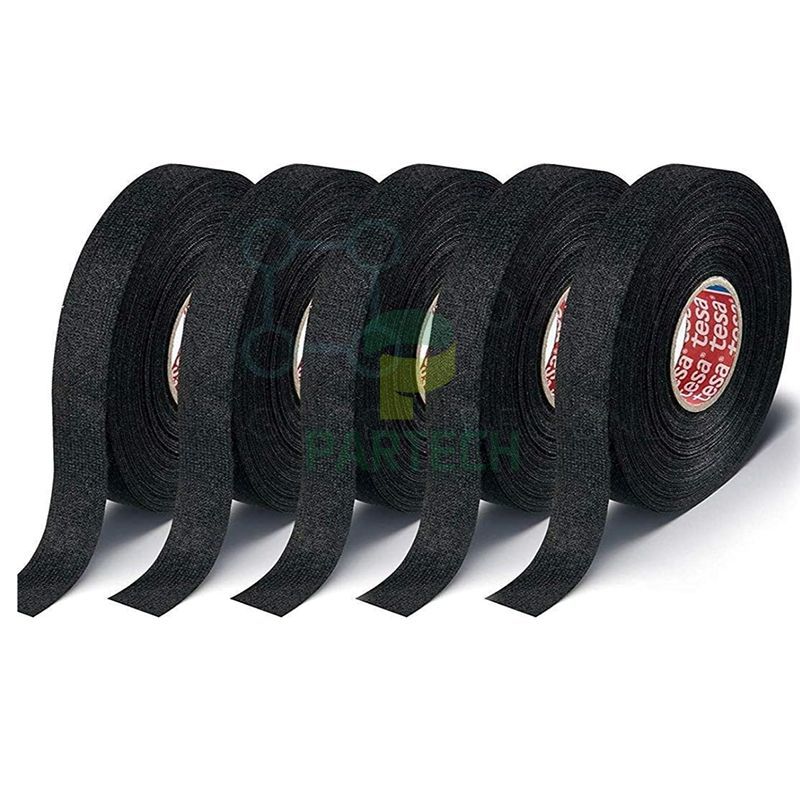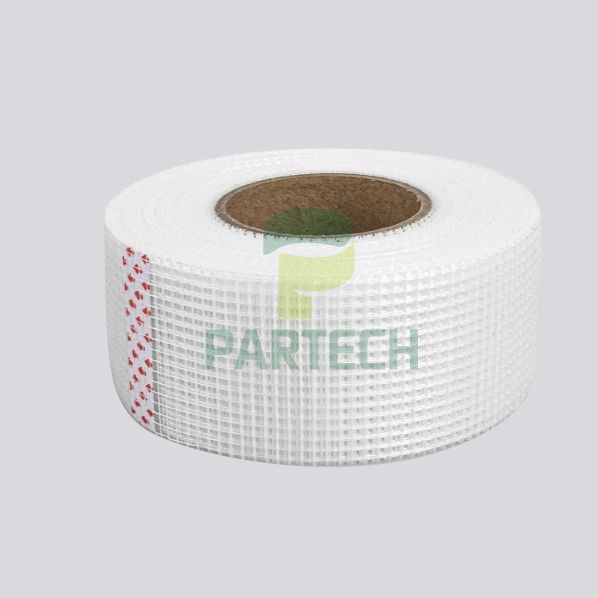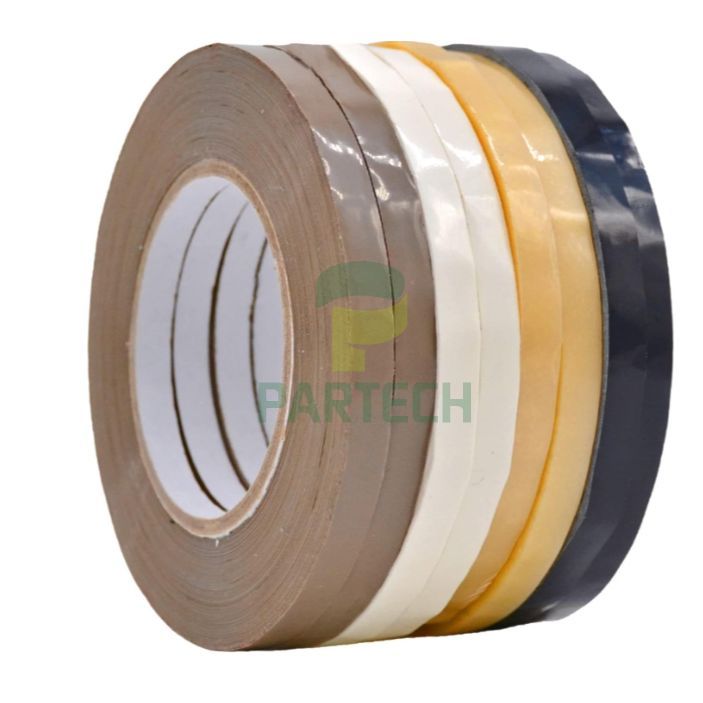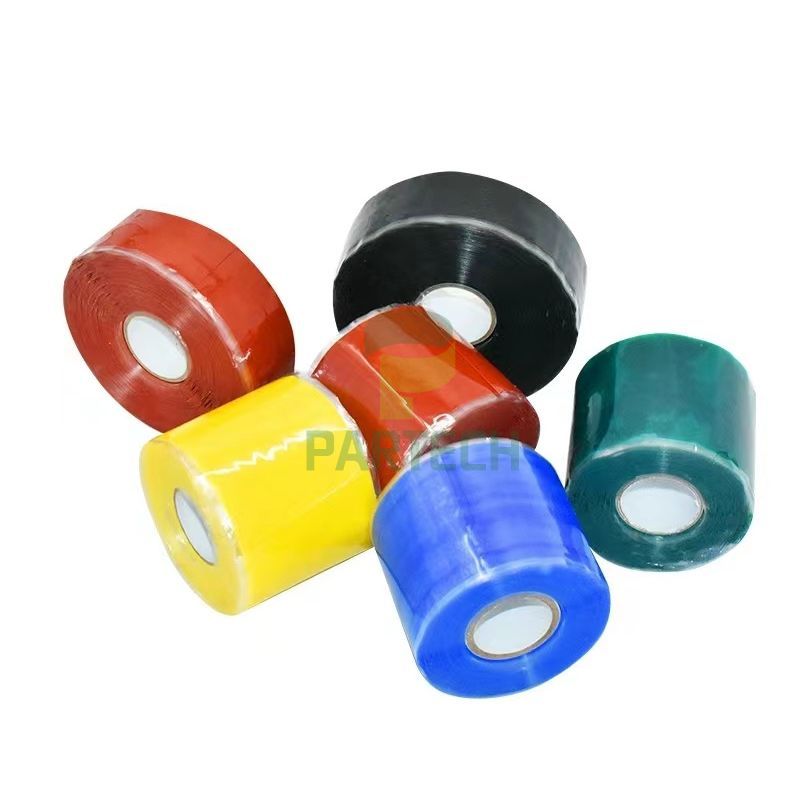

Printed tape is widely used in the logistics industry, serving as an essential material for sealing, reinforcing, and ensuring the safety of goods.
In the vast and complex operational system of the logistics industry, packaging is fundamental to ensuring the safe transportation and efficient flow of goods. Printed tape, as a primary material in logistics packaging, is deeply embedded in various processes within the logistics industry, playing an irreplaceable and vital role due to its unique properties and diverse functions.
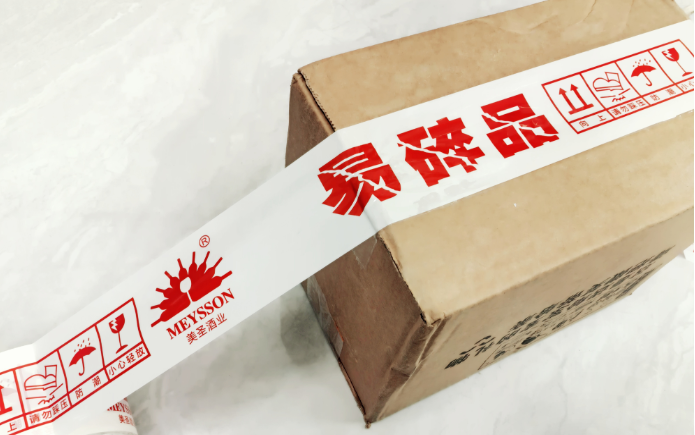
The logistics transportation process is fraught with uncertainty; external forces such as vibration, collisions, and compression constantly threaten the integrity of goods. The primary and crucial function of printed tape is sealing, ensuring that goods are securely stored within the carton. Ordinary BOPP printed tape, with its good tensile strength and adhesion, can tightly adhere to the edges of the carton, sealing it tightly and preventing items from falling out. In scenarios involving heavy goods or long-distance transportation, kraft paper printed tape is more favored. It not only inherits the toughness of kraft paper, capable of withstanding significant tensile forces, but also exhibits excellent adhesion to the carton. Taking home appliance logistics as an example, a refrigerator or washing machine may withstand hundreds of kilograms of pressure during handling and transportation. Using strong adhesive kraft paper printed tape for multi-layer wrapping and reinforcement can effectively distribute the pressure, prevent damage to the cardboard box, and protect the internal appliances from damage. According to relevant logistics data, after using appropriate printed tape for sealing and reinforcement, the damage rate during transportation can be reduced to less than 5%, greatly reducing the economic losses of logistics companies due to damaged goods.
Logistics warehouses and distribution centers handle tens of thousands of packages daily. How to quickly and accurately identify package information and complete sorting is crucial to improving logistics efficiency. Printed tape plays an important role in this. By printing key information such as tracking numbers, destinations, and cargo categories on the tape, staff can quickly obtain important information about the goods without opening the package, simply by scanning the barcode or reading the text on the tape, enabling rapid sorting. During major e-commerce shopping festivals, logistics companies use different colored printed tapes to distinguish packages from different regions, such as red tape for North China and blue tape for East China. This visual identification method allows sorting staff to easily identify package flow during busy work, greatly improving sorting speed. After introducing color-coded printed tape, a large logistics company saw a 30% increase in sorting efficiency, significantly shortened package transit time, and accelerated the entire logistics and delivery process.
In today's highly competitive logistics market, brand image building is crucial. Printed tape has become an important medium for logistics companies to showcase their brand image and disseminate brand concepts. Many well-known logistics companies print their logos, brand slogans, and distinctive patterns on tape. As these branded packages travel through the streets, every handling and delivery is an advertisement for the brand. SF Express's iconic black and red printed tape is simple and eye-catching, continuously reinforcing consumers' brand awareness during package transportation. Market research shows that approximately 70% of consumers have a stronger impression of a logistics company when they receive a package with branded printed tape, and 20% of these consumers say they would prioritize that logistics company because of its positive brand image. This subtle brand communication effect helps logistics companies gain valuable customers in market competition.
With the development of the logistics industry, some special scenarios have placed special demands on packaging, and printed tape is constantly innovating to meet these needs. In cold chain logistics, goods need to maintain their quality in low-temperature environments. Ordinary tapes lose their adhesiveness or even fail at low temperatures. Specially developed cold-resistant printed tapes, using a special adhesive formula, maintain good adhesion even at -20℃ or even lower temperatures, ensuring the airtightness of cold chain packaging and preventing cold air leakage from affecting the quality of goods. Waterproof printed tape plays a crucial role in fresh produce delivery. Fresh produce is prone to leaching moisture. Ordinary tape loses its stickiness and easily peels off when wet, while waterproof printed tape effectively resists moisture, maintaining packaging integrity and extending the shelf life of fresh produce. Furthermore, the rise of environmental awareness has spurred a growing demand for green packaging in the logistics industry. Biodegradable printed tape has emerged as a solution. Using renewable materials such as corn starch as a base, it decomposes into water and carbon dioxide in the natural environment, reducing the pollution caused by traditional plastic tapes and providing strong support for the sustainable development of the logistics industry.
In short, printed tape in the logistics industry is driving its development and progress through various applications and continuous innovation, from basic packaging functions to improving efficiency, building brands, and meeting special scenario needs. With continuous technological advancements and evolving market demands, printed tape will demonstrate even greater potential in the logistics field, becoming a crucial driver of innovation and development in the logistics industry.