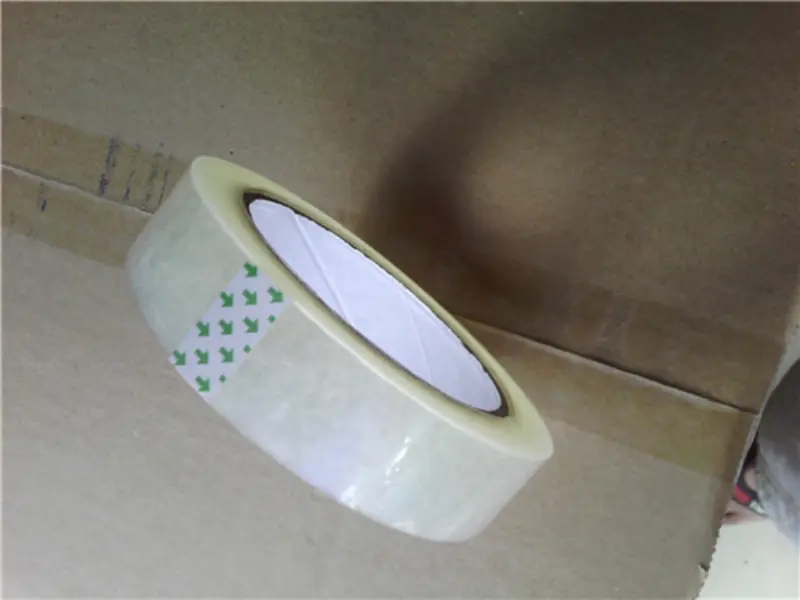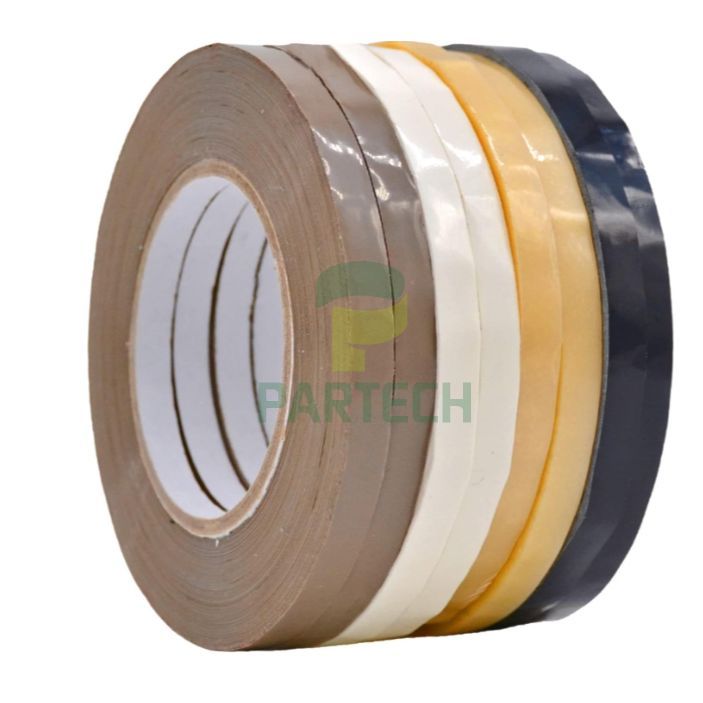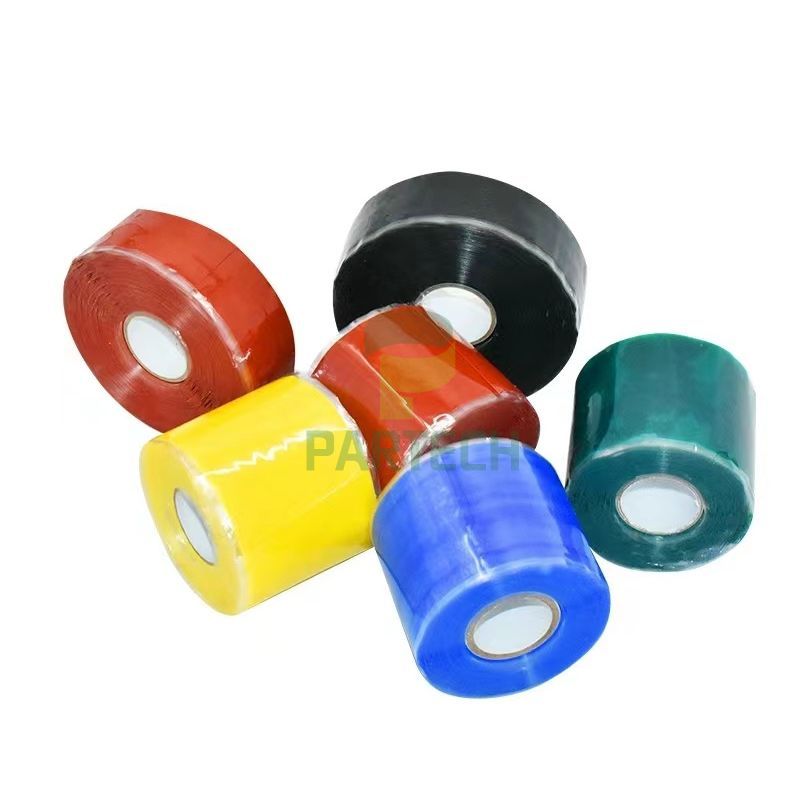

Transparent tape is a common adhesive product widely used in packaging, office supplies, and handicrafts. It is transparent, flexible, and has strong adhesion, providing convenience for people's lives and work. The following will describe in detail the history of transparent tape, from its origins to modern innovative applications.
Transparent tape can be traced back to the early 20th century, originating from the development of adhesive technology. Early transparent tape was made by coating adhesive onto transparent plastic film or paper tape, possessing good adhesion and transparency. This early transparent tape was mainly used for simple applications such as packaging cartons and sealing envelopes.
With the advancement of industrial production technology, the production process of transparent tape gradually became automated, and output increased significantly. This reduced the cost of transparent tape, promoting its application in a wider range of fields. Transparent tape began to be used in office stationery, bookbinding, gift packaging, and other occasions, bringing convenience to people's work and life.
With the continuous development of materials science and adhesive technology, the performance of transparent tape has been improved. Traditional adhesives have been improved to offer better adhesion and weather resistance, enabling transparent tape to maintain stable bonding under various temperature and humidity conditions. Simultaneously, the substrate of transparent tape has also changed; for example, the application of polypropylene film has resulted in higher transparency and better flexibility. These improvements make transparent tape more suitable for a variety of complex applications.
With advancements in technology and increased awareness of innovation, the application scope of transparent tape has further expanded. The development of new materials and improvements in adhesive technology have enabled transparent tape to meet higher requirements. For example, transparent tape is now used in the assembly and packaging of electronic products, protecting circuit boards and securing components. Furthermore, transparent tape has found widespread application in handicrafts, art design, and architectural decoration. People have discovered that transparent tape can not only serve a fixing and sealing function but also create unique artistic effects or unleash creativity in decoration. Transparent tape is used to make stickers, cards, decorative paintings, and other handicrafts, providing more creative possibilities.
In addition, transparent tape is also used in the medical industry. Medical transparent tape, characterized by high transparency, breathability, and strong adhesion, is widely used for securing medical equipment and wound dressings. It not only provides reliable fixation but also facilitates wound observation, offering better operability for medical personnel and greater patient comfort.
With further societal development, transparent tape also faces both challenges and opportunities. One is the demand for environmental protection. Traditional transparent tapes typically use plastics such as polypropylene as their base material, which are difficult to degrade, putting pressure on the environment. Therefore, developing biodegradable materials and environmentally friendly adhesives has become an important direction for the transparent tape industry. Currently, some biodegradable transparent tape products have emerged, reducing environmental impact through the use of renewable materials or biodegradable technologies.
Another opportunity lies in the development of digitalization and intelligentization. With technological advancements, the transparent tape industry has also begun exploring digital and intelligent applications. For example, some companies have launched smart transparent tapes with temperature and light sensing functions, capable of automatically changing color or emitting light under specific conditions to meet users' personalized needs.
In summary, transparent tape, as a common adhesive product, has undergone a development process encompassing its origins, industrial production, material and technological improvements, and innovative applications. Its applications have continuously expanded, from simple sealing and fixing to complex decoration and artistic creation, providing convenience and creative possibilities for people's lives and work. In the future, the transparent tape industry will continue to focus on technological innovation and environmental friendliness improvements. Transparent tape manufacturers will continuously strive to develop higher-performance, more sustainable products to meet ever-changing market demands and environmental awareness.
Technologically, transparent tape manufacturers will continue to improve the adhesion and weather resistance of adhesives to ensure their reliability and durability under various environmental conditions. They will also dedicate themselves to developing more environmentally friendly adhesives, employing biodegradable or bio-based materials to reduce negative environmental impacts.
Furthermore, transparent tape manufacturers will focus on promoting innovative applications. They will work closely with partners across various industries to explore new applications of transparent tape in different fields. For example, in the electronics industry, transparent tape can be used for the encapsulation and connection of flexible electronic devices, providing better protection and connectivity. In the construction industry, transparent tape is used for the installation and repair of glass curtain walls, providing reliable sealing.
Furthermore, the trends of digitalization and intelligentization will also impact the transparent tape industry. Manufacturers can leverage smart sensors, the Internet of Things (IoT), and artificial intelligence (AI) technologies to develop transparent tape products with intelligent functions. These products can achieve automatic sensing, self-adaptation, and self-healing capabilities, improving user experience and efficiency.
With the development of the global economy and consumers' pursuit of convenience and creativity, the transparent tape industry will continue to maintain steady growth. At the same time, environmental protection and sustainable development will also be important considerations for the industry's development. Transparent tape manufacturers will be driven by innovation, technological improvement, and collaboration to continuously promote the industry's development, providing more convenient and environmentally friendly solutions for people's lives and work.
In summary, transparent tape has undergone a development process from its origins, industrialized production, material and technological improvements, to innovative applications. Its widespread use has provided convenience for people's lives and work, while continuous improvement and innovation have laid the foundation for the industry's sustainable development. With technological advancements and increased environmental awareness, the transparent tape industry will continue to face new opportunities and challenges, contributing to building a sustainable future!