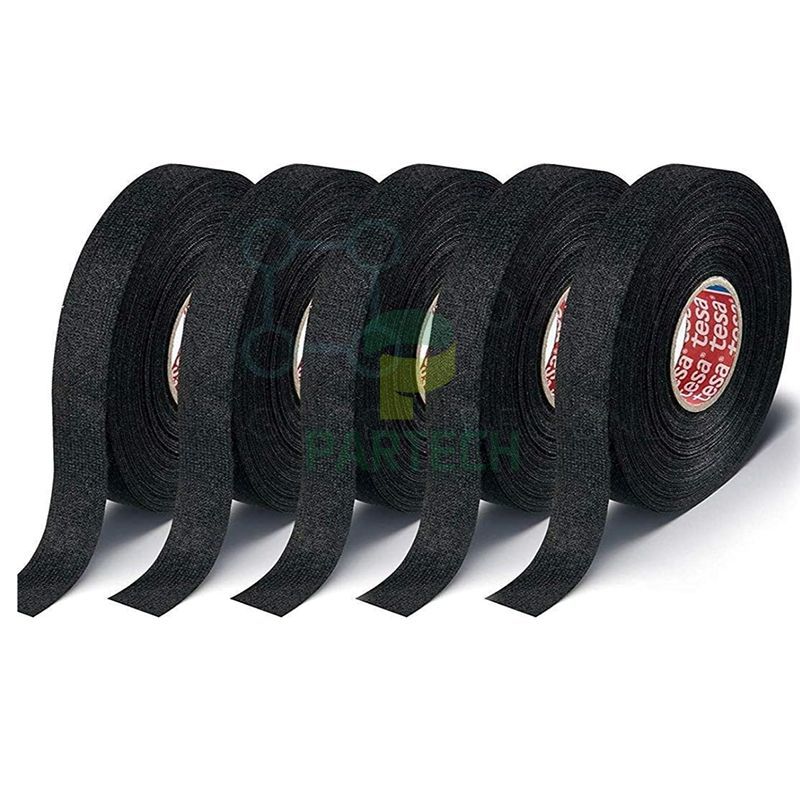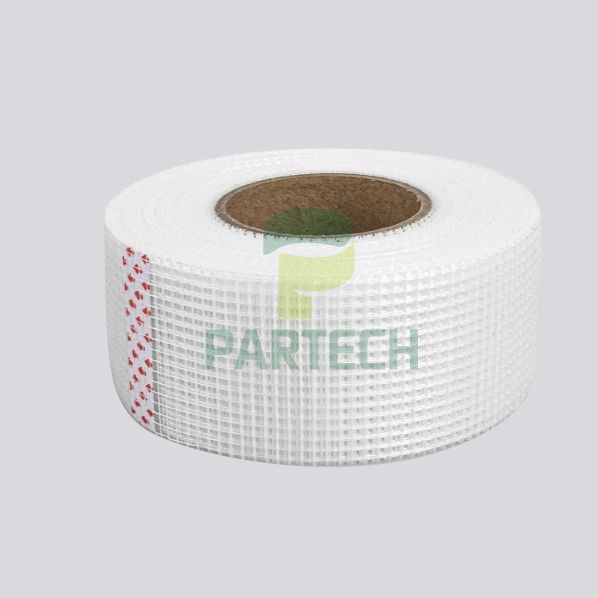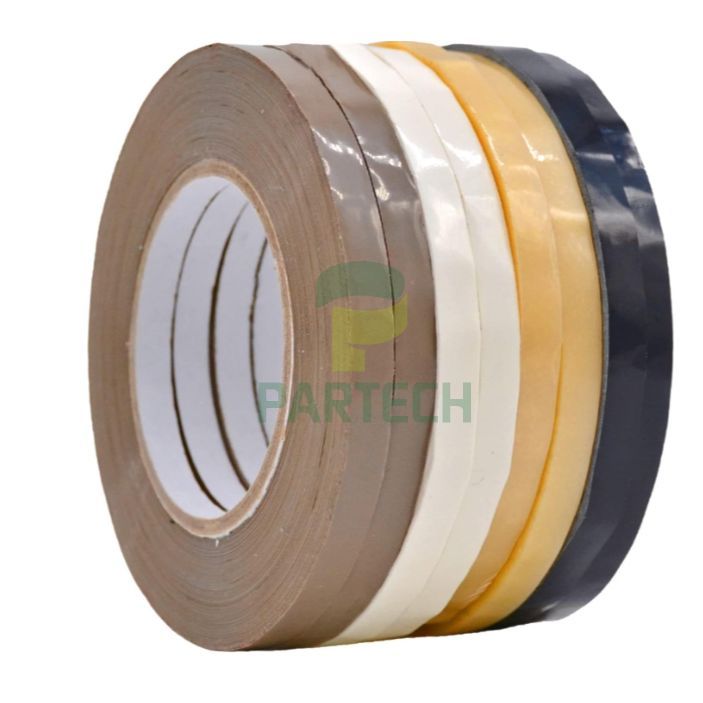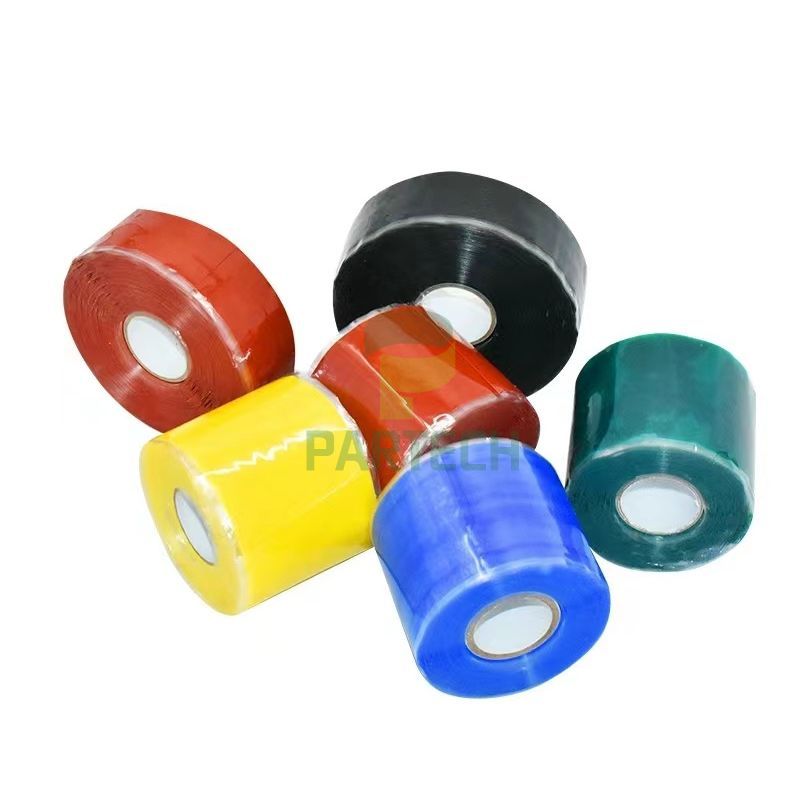

Printed tape is a common office supply widely used in packaging, signage, and decoration. This article introduces the production process of printed tape, including material selection, printing technology, and coating processes. It also discusses the characteristics of printed tape, including printing effect, durability, and environmental friendliness. A deeper understanding of the production process and characteristics of printed tape allows for a better grasp of its advantages and value in practical applications.
Material Selection: The material of printed tape is a key factor. Common materials include plastic tape and paper tape. Plastic tape typically uses materials such as polyethylene (PE) and polypropylene (PP), while paper tape uses special paper materials.
Printing Technology: Printing is the core step in the production of printed tape. Common printing technologies include flexographic printing, letterpress printing, and screen printing. Different printing technologies affect the printing effect and production efficiency of printed tape.
Coating Process: Printed tape usually requires a layer of ink to be coated on the surface to achieve the printing effect. Coating processes include roller coating and spray coating. The uniformity and adhesion of the coating have a significant impact on the printing quality.
Cutting Process: Printed tape needs to be cut to a certain length. Cutting is typically done using a cutting machine or cutting blade to ensure the tape's size and specifications meet requirements.
Printing Effect: The most important characteristic of printed tape is its printing effect. Various texts, patterns, and logos can be printed on its surface for marking, decoration, and information transmission.
Durability: Good printed tape should have good durability, resisting fading and peeling. Durability is a crucial quality of printed tape, affecting its longevity during use.
Environmental Protection: In modern society, environmental protection is becoming increasingly important. Environmentally friendly printed tape typically uses environmentally friendly materials, contains no harmful substances, and meets environmental standards.
Adhesion: Good printed tape should have good adhesion, firmly adhering to various surfaces and resisting peeling.
Packaging: Printed tape has wide applications in the packaging industry. It can be used for sealing and box sealing, increasing the integrity and aesthetics of packaging.
Identification: Printed tape is also very important in the identification field. It can be used to print product labels and cargo identification, helping for quick identification and recognition.
Decoration: Printed tape also has unique uses in the decoration field. It can be used for gift packaging, holiday decorations, etc., adding to the festive atmosphere and visual appeal.
Party Activities: Printed tape can also play a role in party activities. It can be used to decorate venues, create slogans, etc., increasing the joyful atmosphere of the event.
Digital Printing: With the development of digital technology, digital printing technology in printed tape production will become more mature and widespread. Digital printing will improve printing quality and production efficiency.
Environmental Protection: Future printed tape will place greater emphasis on environmental performance. The adoption of environmentally friendly materials and the application of environmentally friendly production processes will become the future development trend.
Multifunctionality: Future printed tape may not only offer a single printing function but also possess other features such as anti-counterfeiting and transparency.
As a common office supply, printed tape's production process includes material selection, printing technology, coating processes, and cutting processes. Printed tape features excellent printing effects, durability, environmental friendliness, and adhesiveness, and is widely used in packaging, signage, and decoration. With technological advancements and increased environmental awareness, the production processes and characteristics of printed tape will continue to improve and enhance, providing users with higher-quality products and services.
The future development trends of printed tape mainly focus on the following aspects:
Material Innovation: With the continuous development of materials science and technology, new environmentally friendly materials will emerge, providing more options for printed tape production. For example, biodegradable materials and recycled materials will become future research and development directions for printed tape to meet environmental performance requirements.
Intelligent Printing: With the advancement of artificial intelligence and automation technology, intelligent printing technology will gradually be applied to the production process of printed tape. Intelligent printing technology can achieve automated control and adaptive adjustment of printing parameters, improving printing efficiency and quality.
Multifunctional Design: Future printed tapes may incorporate more functional designs to meet diverse user needs. For example, adding anti-counterfeiting features, improving water resistance, and increasing transparency will broaden the applications of printed tapes across various fields.
Personalized Customization: As consumer demand for personalized products increases, personalized customization of printed tapes will become a major trend. Users can choose printing content, colors, and styles according to their needs and preferences, creating unique products.
Green Production: Increasing environmental awareness will drive the printed tape industry towards a greener direction. Manufacturers will adopt more energy-saving and emission-reduction measures, promote green production, and reduce their environmental impact.
As a common office supply, printed tape's production process includes material selection, printing technology, coating processes, and cutting processes. Printed tape features excellent printing effects, durability, environmental friendliness, and adhesion, and is widely used in packaging, signage, and decoration. In the future, printed tape will develop towards material innovation, intelligent printing, multifunctional design, personalized customization, and green production, providing users with higher-quality, more environmentally friendly, and personalized products and services. With advancements in technology and increased environmental awareness, it is believed that printed tape will continue to grow and develop in the future, bringing more convenience and enjoyable experiences to people's lives.