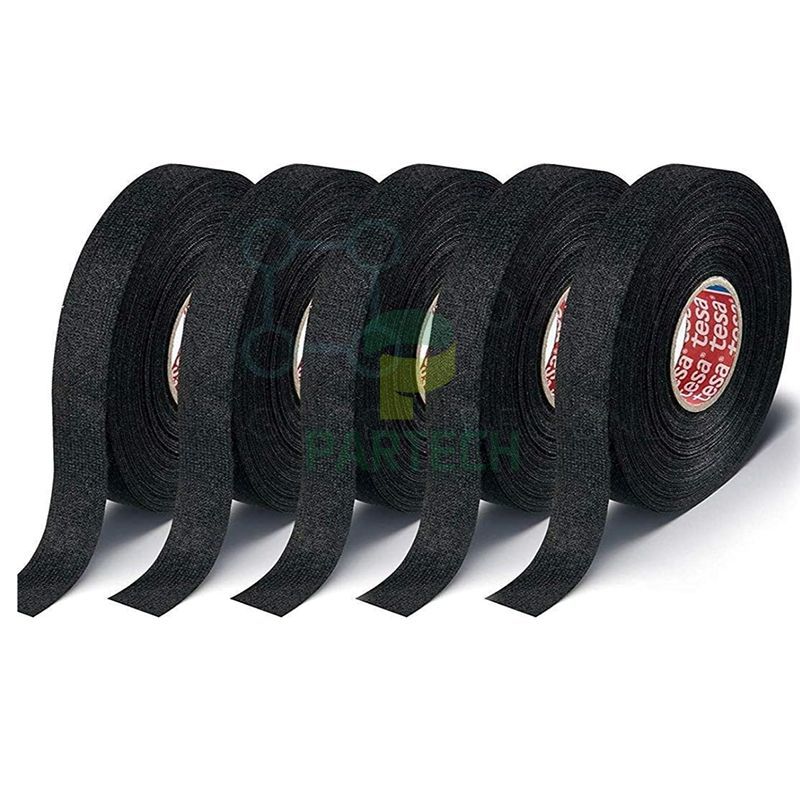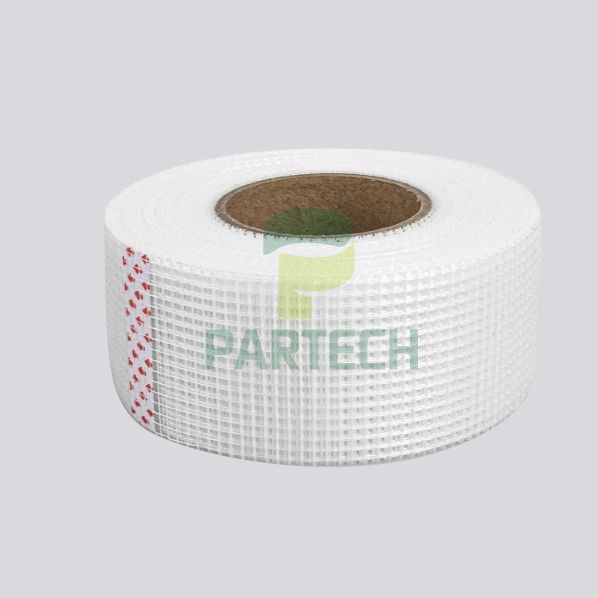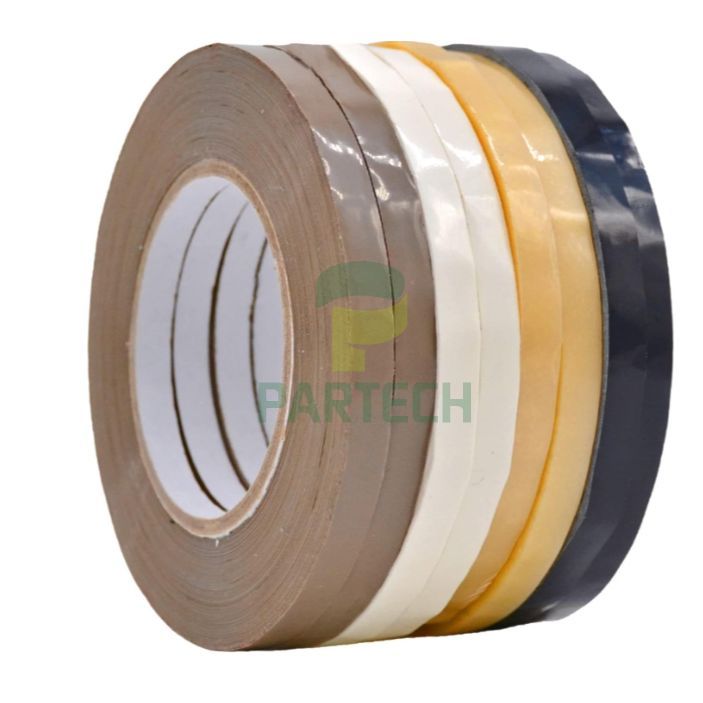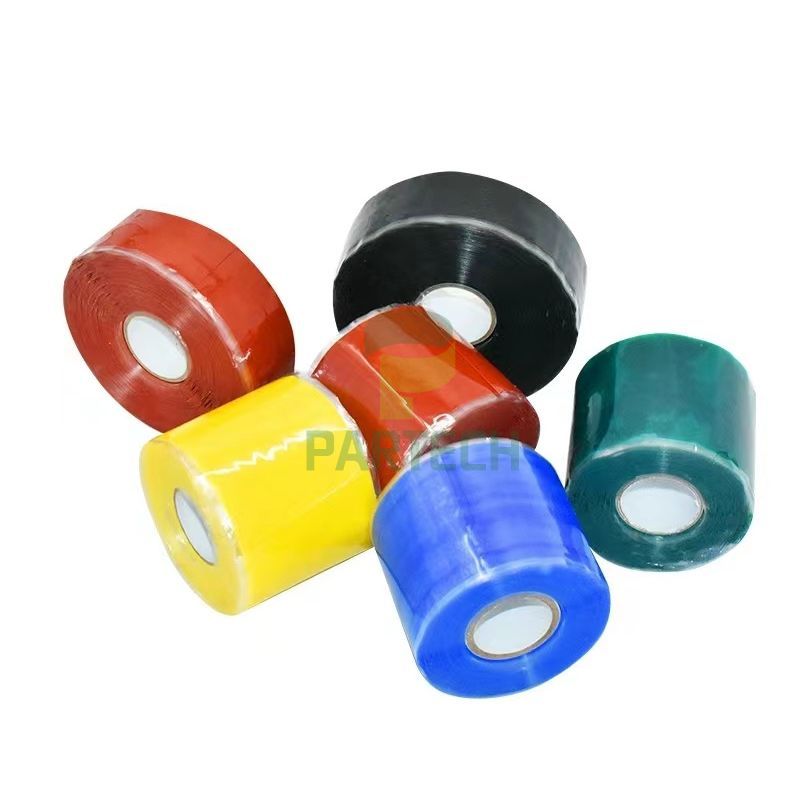

Printed tape is a special type of tape that incorporates printing technology into ordinary tape, allowing text, patterns, or logos to be printed on its surface. This makes printed tape widely used in packaging, signage, and advertising. This article will introduce the process and characteristics of printed tape.
Material Selection: The basic materials for printed tape are usually the same as for ordinary tape, mainly including adhesive and backing material. However, to accommodate the printing process, the backing material for printed tape is usually chosen to be a relatively smooth material, such as BOPP film or PET film, to ensure the clarity and stability of the printed effect.
Printing Process: The printing process for printed tape typically employs flexographic printing or letterpress printing. In flexographic printing, the pattern or text is printed on a flexible rubber plate, and then pressure is used to transfer the pattern onto the tape surface. In letterpress printing, the pattern or text is printed on a raised plate, and pressure is used to transfer the pattern from the printing plate onto the tape surface.
Printing Ingredients: The printing inks used in printed tapes are typically special inks with excellent adhesion and durability, creating clear and vibrant patterns on the tape surface.
Post-processing: After printing, printed tapes usually require post-processing to ensure the stability and durability of the printed pattern. Post-processing processes may include drying, curing, and applying a protective layer.
Personalization and Customization: Printed tapes can be customized to meet specific customer needs. Through printing processes, various texts, patterns, logos, or company logos can be printed on the tape surface, achieving personalized packaging and labeling effects.
Wide Applications: Printed tapes have wide applications in packaging, signage, and advertising. For example, in the packaging industry, printed tape can be used for sealing boxes and labeling product information on outer packaging; in advertising, printed tape can be used to display company names and advertising information.
Durability: Printed tapes generally have good durability and adhesion; the printed pattern is not easily peeled or faded, maintaining clarity and aesthetics for a long time.
Enhance Brand Image: Printed tape helps businesses build a unique brand image. By printing a company logo or brand identifier on the tape, brand recognition can be enhanced, improving corporate image and credibility.
Easy to Use: Printed tape is used in the same way as ordinary tape, making it simple and convenient to operate. Simply stick the tape to the desired location to achieve packaging, sealing, or labeling purposes.
Environmentally Friendly and Sustainable: With increasing environmental awareness, many printed tapes are beginning to use environmentally friendly materials and printing processes to reduce their environmental impact and better meet the requirements of sustainable development.
Printed tape is a special type of tape that incorporates printing processes into ordinary tape. It features personalized customization, wide application, durability, enhanced brand image, ease of use, and environmental sustainability. It has wide applications in packaging, signage, and advertising. With continuous technological development and innovation, the processes and characteristics of printed tape will continue to improve and be perfected, providing more diversified and high-quality tape products for various industries.