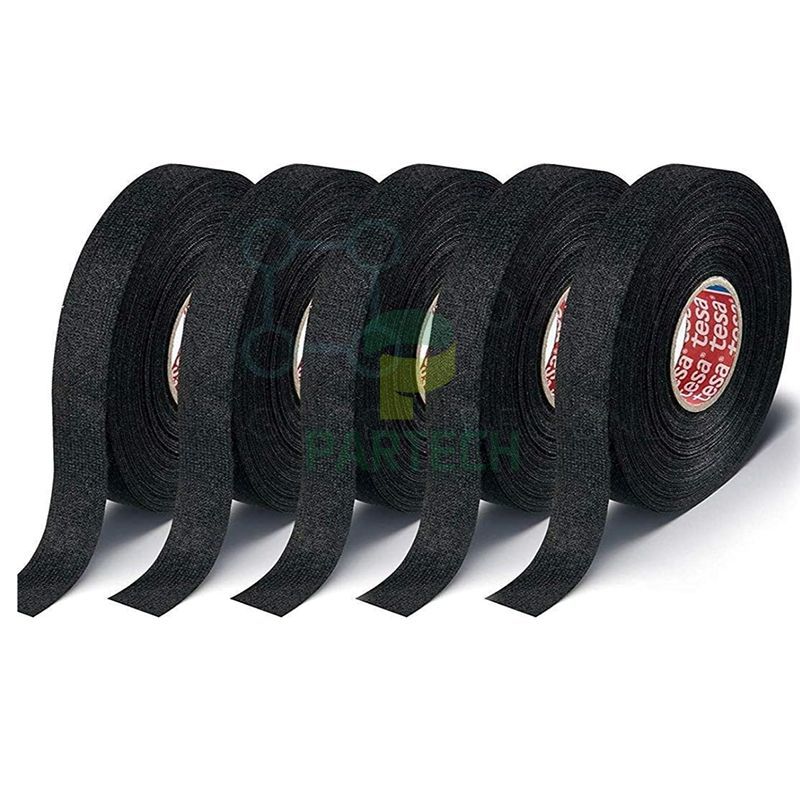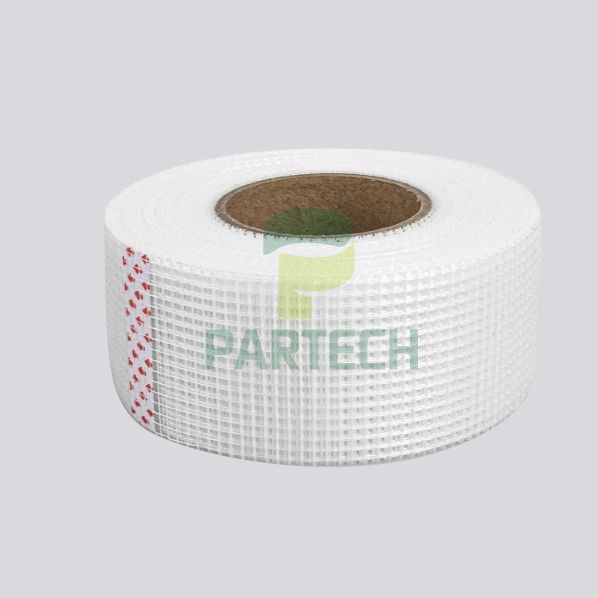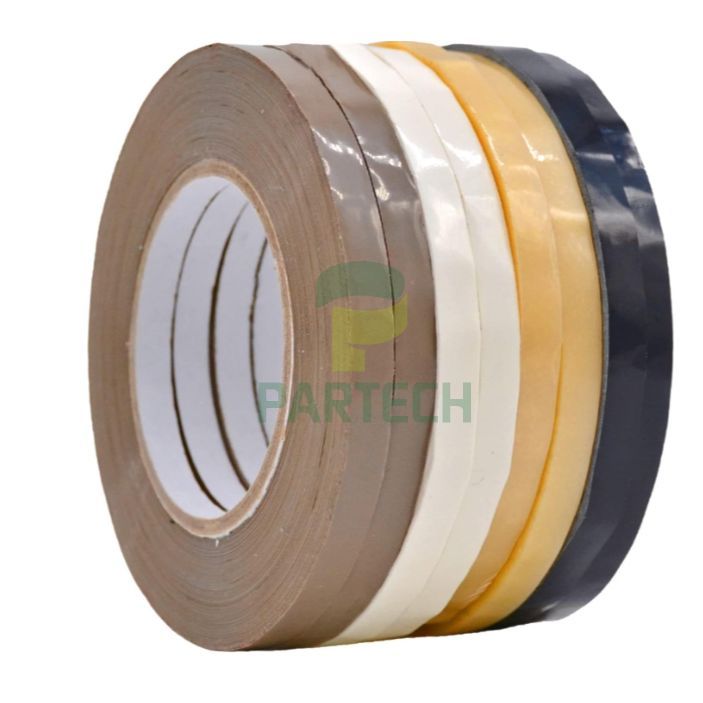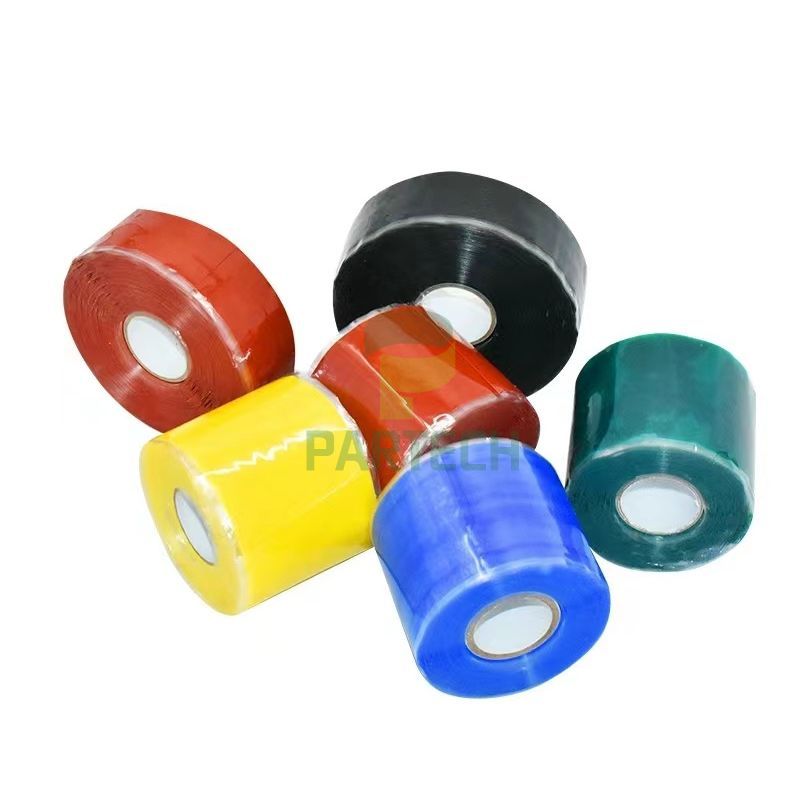

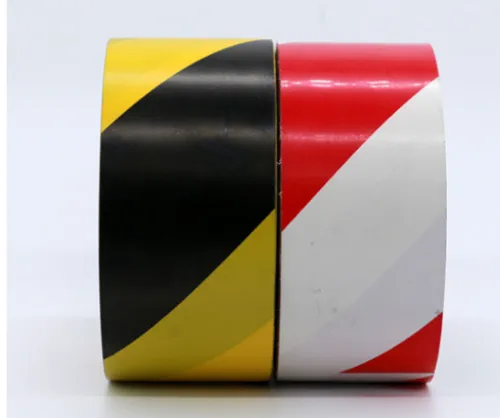
There are many types of special tapes on the market, such as water and road marking tape, warning tape, zebra tape, and floor tape. Floor tape is increasingly used in the management of many companies' production workshops, especially in companies implementing 5S (Sort, Set in order, Set in order). Floor tape can be divided into two types based on color: two-color and single-color. Commonly used two-color tapes are: black and yellow, red and white, and green and white; commonly used single-color tapes are: white, red, yellow, and green. So, what do these colors represent?
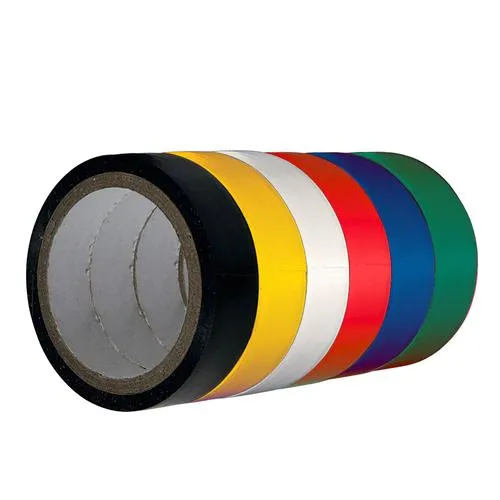
Start by examining the appearance for defects: check if the tape is wound neatly and tightly, if the edges are smooth and free of burrs, and assess the material quality.
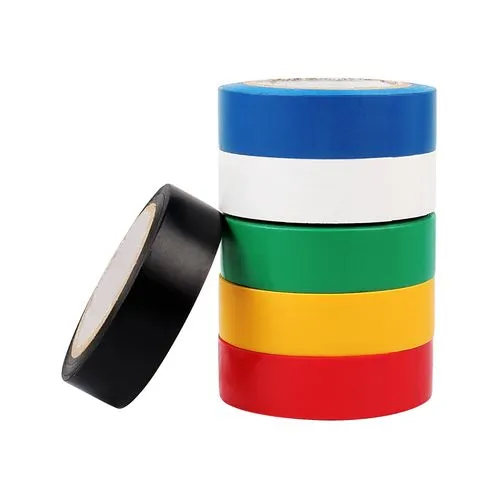
Adhesive tape is a common—even ubiquitous—item in our daily lives and an indispensable tool. It comes in a wide variety of types, specifications, and colors; it is not limited to the clear tape we encounter most frequently. You may have noticed the black tape used to wrap wires or cover electrical connections; this is known as electrical insulation tape. To ensure that unused tape does not go to waste, the team at Yongle Tape offers the following guidelines on storage, transport, use, and maintenance:
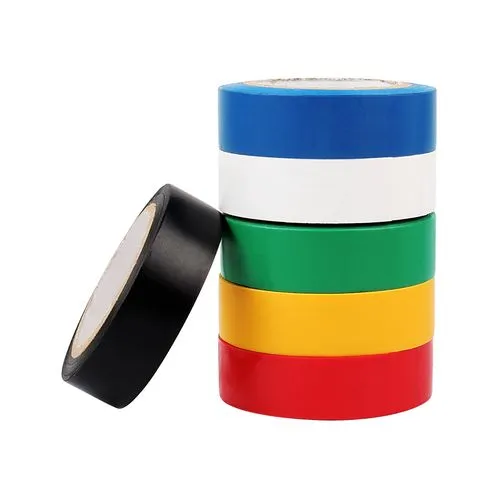
First, examine the tape's appearance. A high-quality roll of electrical tape should have uniform color and a smooth, flat cross-section; there should be no uneven winding or adhesive oozing out. Oozing adhesive indicates that the glue has aged; if such tape is used to wrap wire ends, the wrap will likely come loose over time, potentially leading to serious consequences like electrical leakage.
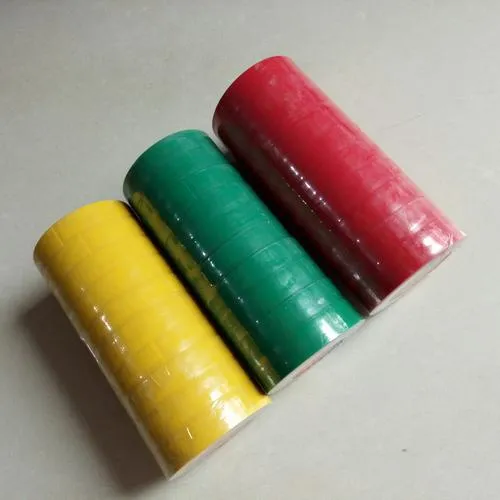
Electrical tape—often purchased in bulk—is used for wrapping wires and insulating wire ends. Since it directly impacts electrical safety, careful selection is essential.

Single-sided tape is an adhesive tape provided by Partech — supplied in rolls or sheets—produced by uniformly coating one side of a substrate (such as tissue paper, PET, PVC film, polyethylene, non-woven fabric, foam, acrylic, plastic film, or fiber) with an adhesive (such as elastomer-based, resin-based, or acrylic-based pressure-sensitive adhesive). It consists of three components: the substrate, the adhesive, and the release paper (or film).