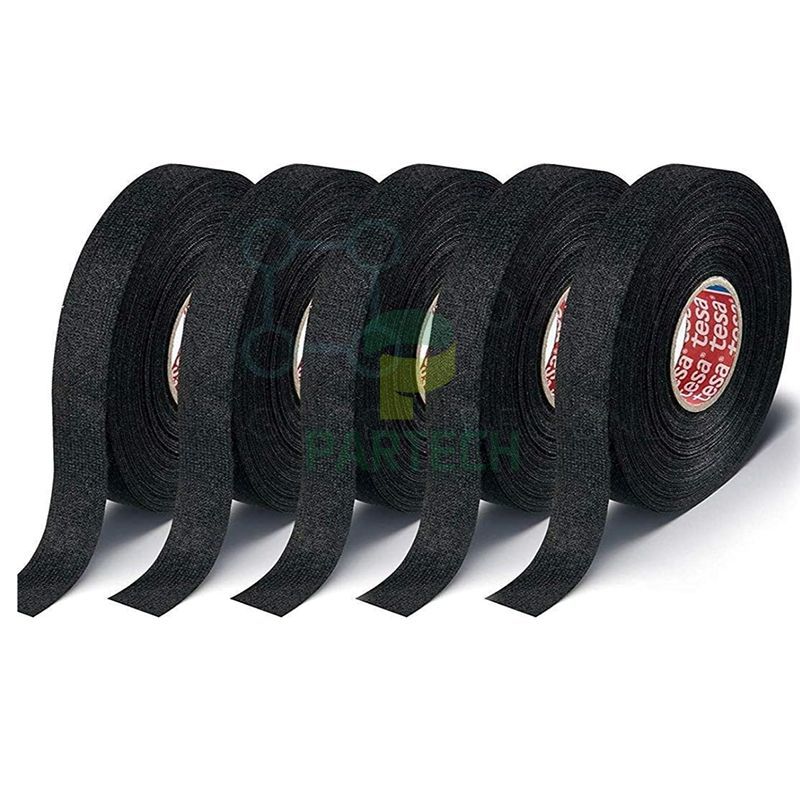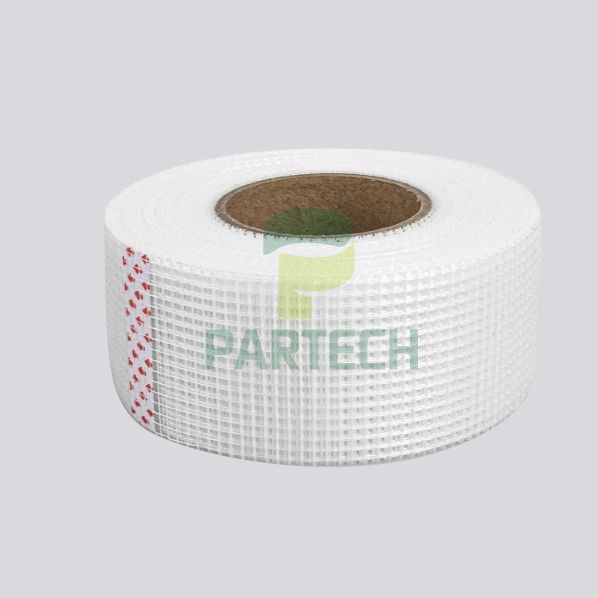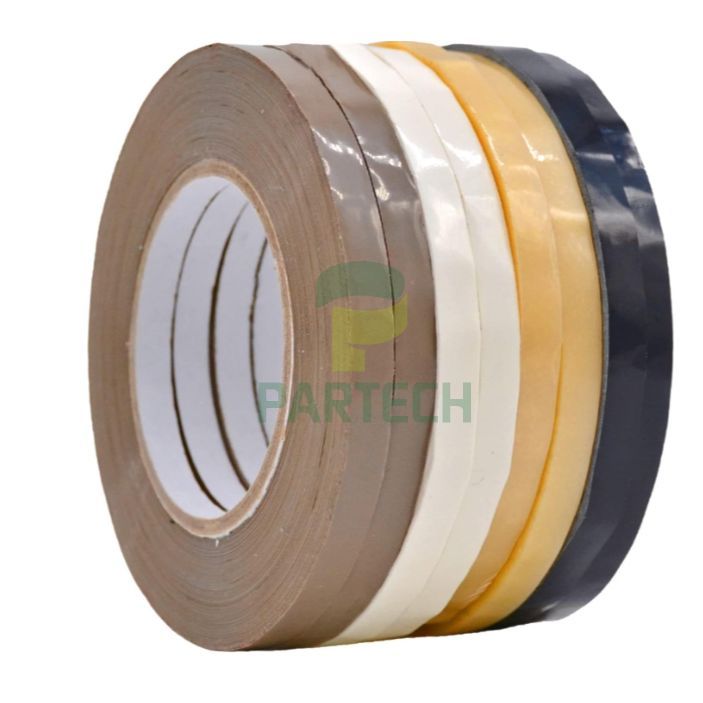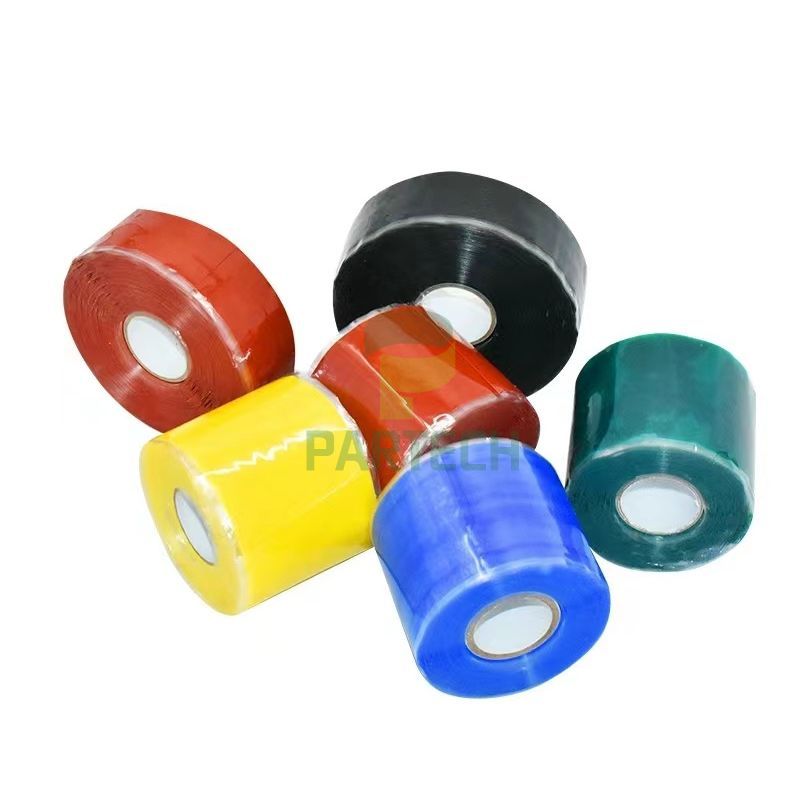

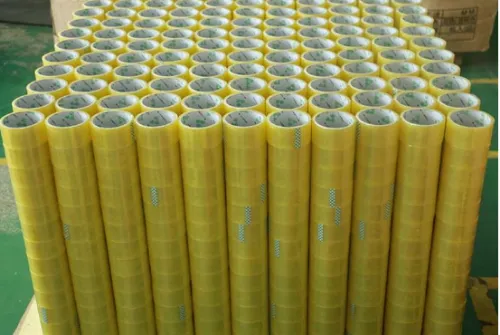
When using sealing tape, many people ask, "What is the tackiness of sealing tape?" and "How does it help in choosing sealing tape?" Let's discuss what tackiness is.
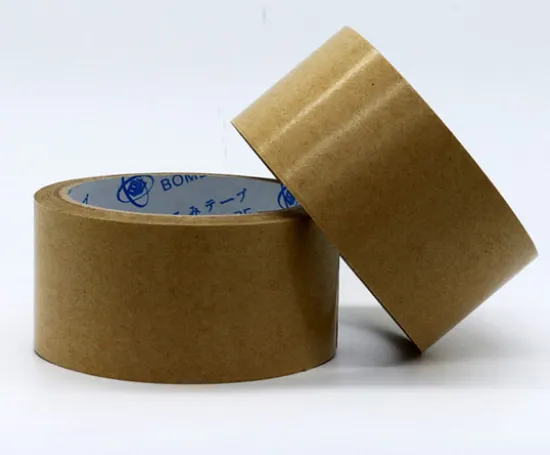
Kraft paper tape is generally divided into two types: waterless kraft paper tape and wet-type kraft paper tape. Waterless kraft paper tape, also known as self-adhesive kraft paper tape, is mainly made of kraft paper as the base material and pressure-sensitive adhesive as the adhesive. It provides strong adhesion immediately after tearing and can firmly seal cartons. It is an environmentally friendly tape that conforms to international development trends.
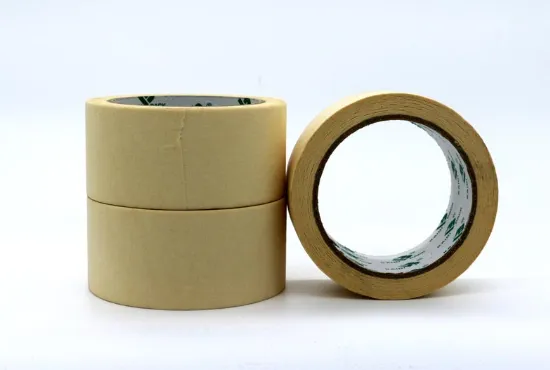
High-temperature masking tape, as the name suggests, is a type of masking tape that can be used in high-temperature environments. It's a widely used specialty tape, typically used for fixing and masking in high-temperature environments such as automotive painting, baking paint, leather processing, coating masking, electronic component manufacturing, and printed circuit boards.
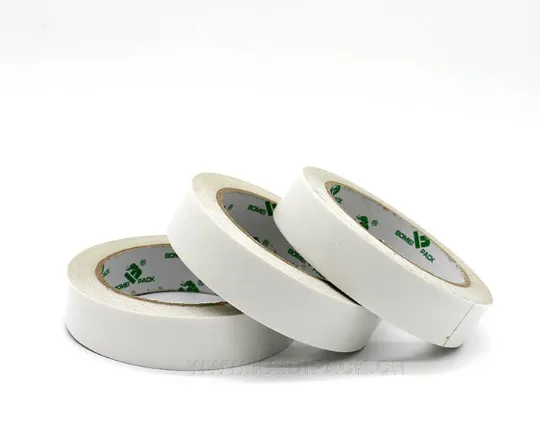
We often use double-sided tape in our daily lives, but we often don't know how to distinguish its quality. Checking the quality of double-sided tape mainly involves the following points:
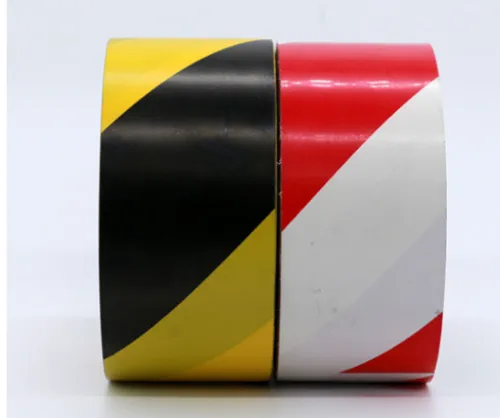
There are many types of special tapes on the market, such as water and road marking tape, warning tape, zebra tape, and floor tape. Floor tape is increasingly used in the management of many companies' production workshops, especially in companies implementing 5S (Sort, Set in order, Set in order). Floor tape can be divided into two types based on color: two-color and single-color. Commonly used two-color tapes are: black and yellow, red and white, and green and white; commonly used single-color tapes are: white, red, yellow, and green. So, what do these colors represent?
Start by examining the appearance for defects: check if the tape is wound neatly and tightly, if the edges are smooth and free of burrs, and assess the material quality.