
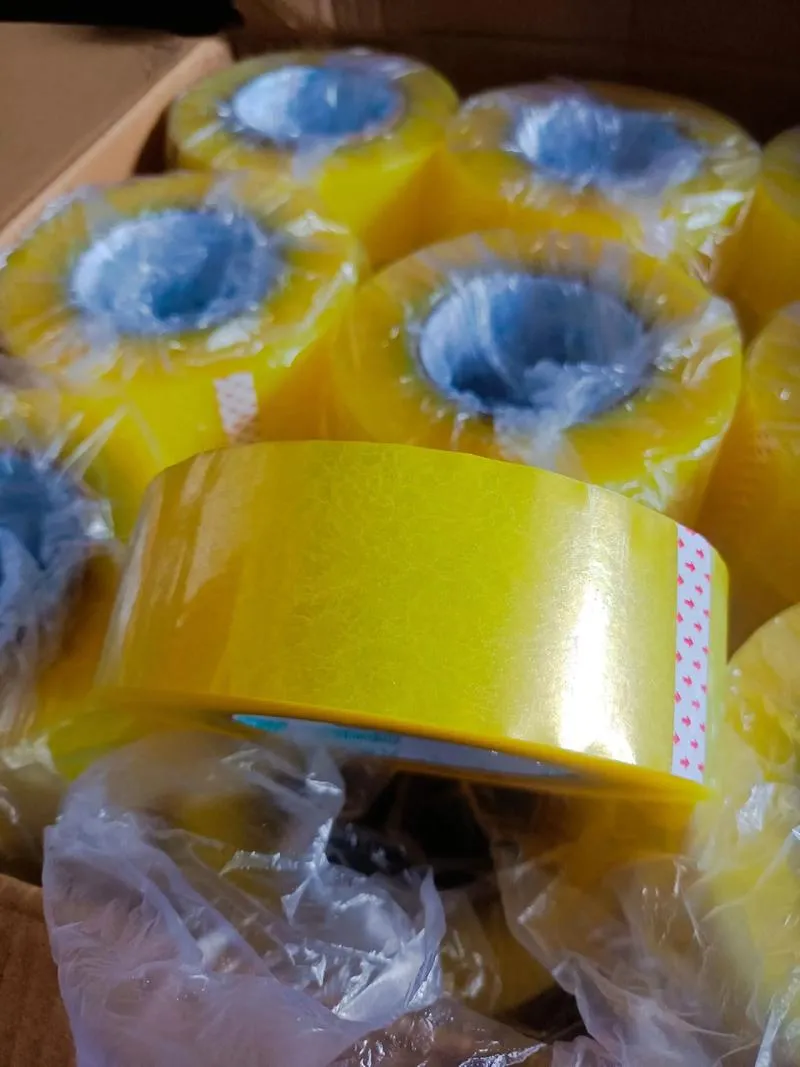
Clear adhesive tape is produced by subjecting a BOPP (biaxially oriented polypropylene) base film to high-voltage corona treatment, coating the roughened surface with adhesive, and then slitting the material into the small rolls used in daily life. The adhesive used is an acrylic-based substance—also known as pressure-sensitive adhesive—composed primarily of esters.
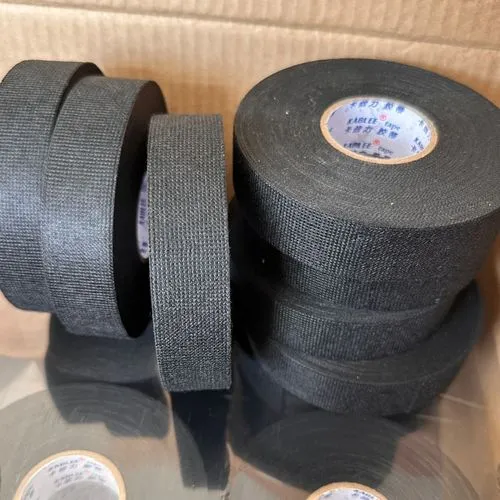
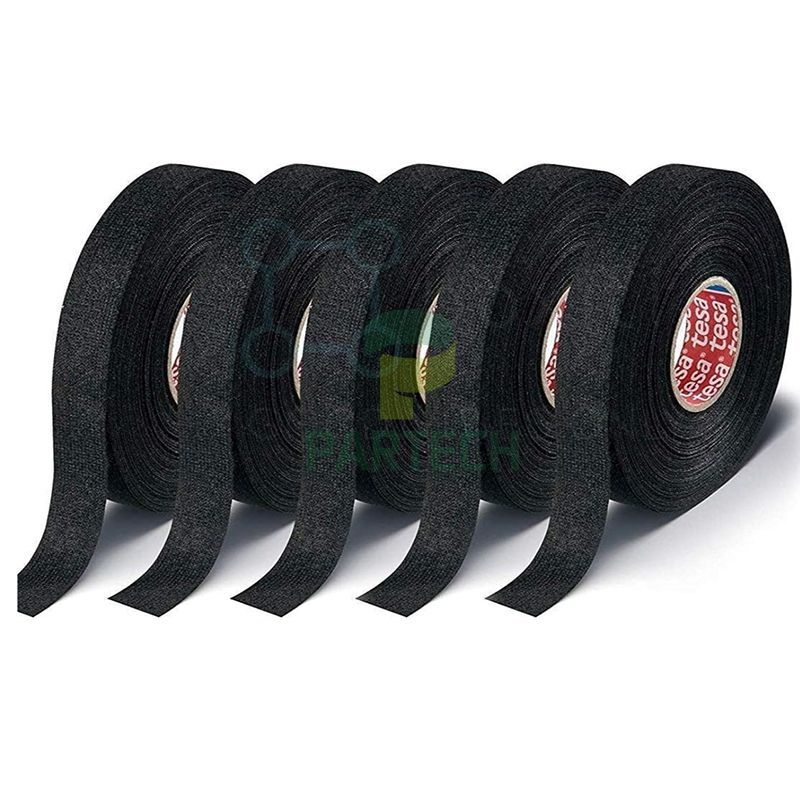
Tapes are widely used in automotive wiring harnesses for bundling, protection, insulation, noise and vibration reduction, identification, and securing components. As the automotive industry evolves and design concepts advance, the requirements for tape functionality and performance have become increasingly diverse depending on the harness's location. A wide variety of tapes—featuring different styles and material properties—have emerged across the industry to ensure robust protection and enhanced performance for automotive wiring harnesses.
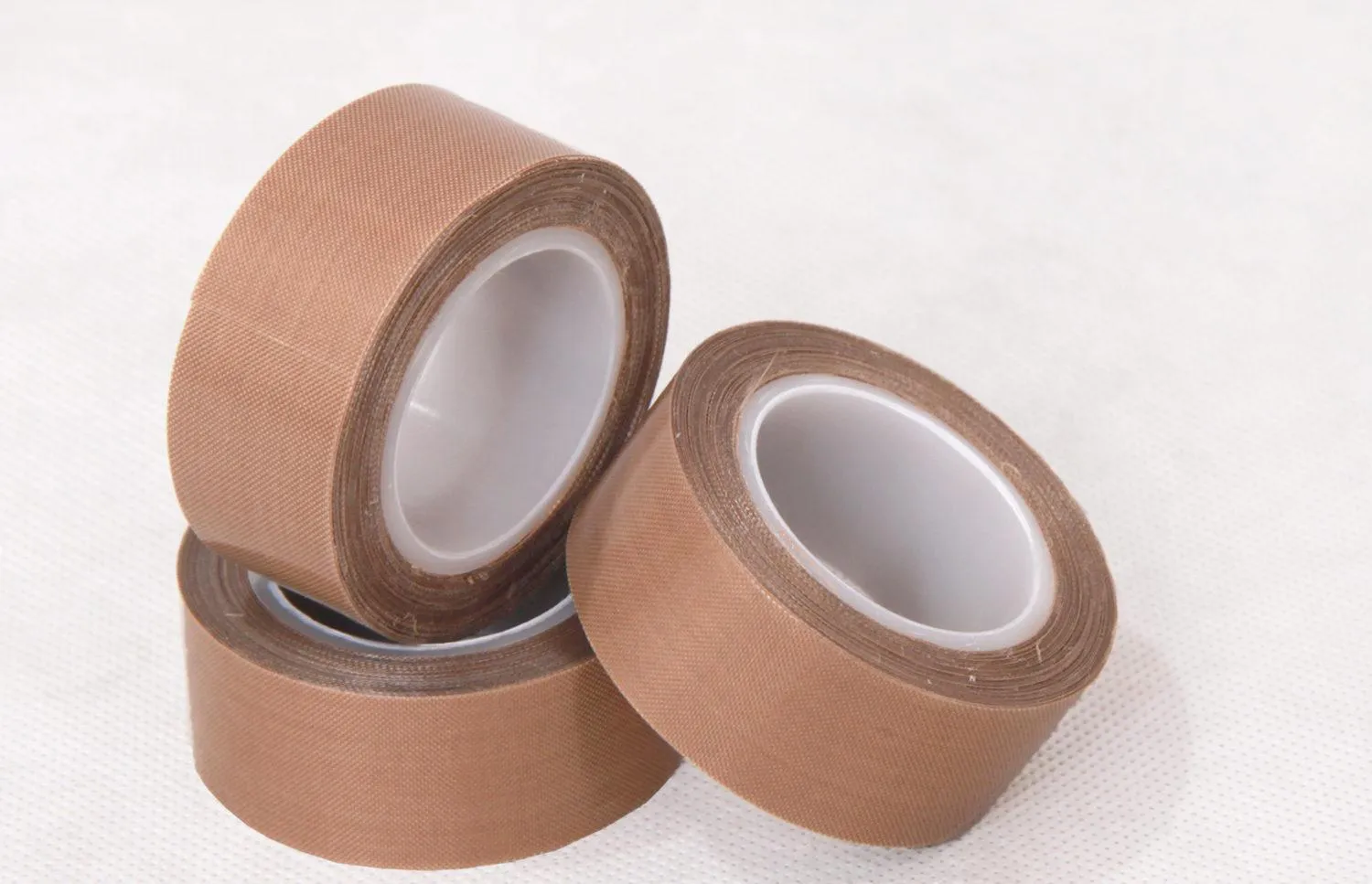
There are generally four factors that cause high-temperature tape to age:
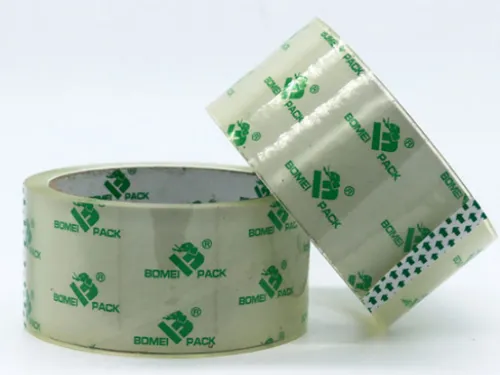
Packing tape adhesive, also known as water-based acrylic resin or water-based pressure-sensitive adhesive, is mainly composed of resin. Resin is a highly reactive polymer; temperature affects its molecular activity. Packing tape is an essential part of our daily lives, used for moving or repairing damaged items. So, what are the characteristics of packing tape?
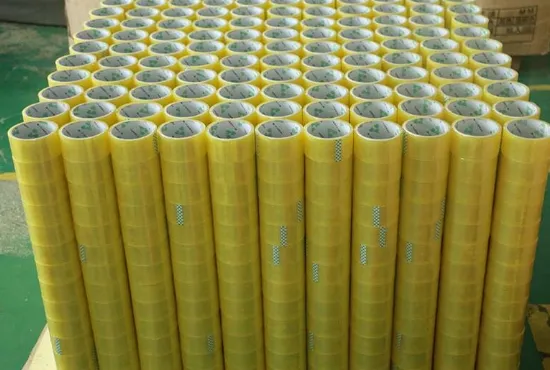
We use transparent tape frequently in our daily lives and work, especially in e-commerce and logistics, where it's often used for packaging cardboard boxes. However, tape often emits an unpleasant odor during use, especially in summer. Of course, many manufacturers now produce sealing tapes that meet environmental protection standards and have no impact on human health.
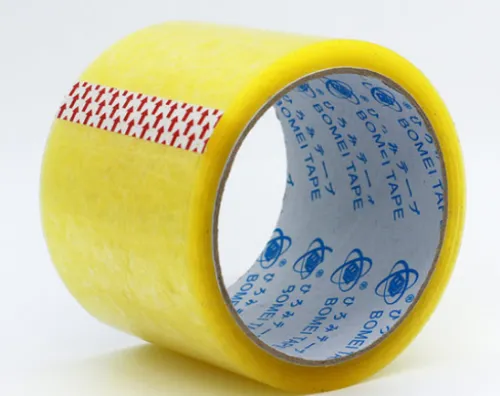
Packing sealing tape is primarily made from BOPP (biaxially oriented polypropylene) film as the base material, then coated with a pressure-sensitive adhesive emulsion under heat. The main component of the pressure-sensitive adhesive emulsion is butyl acetate.