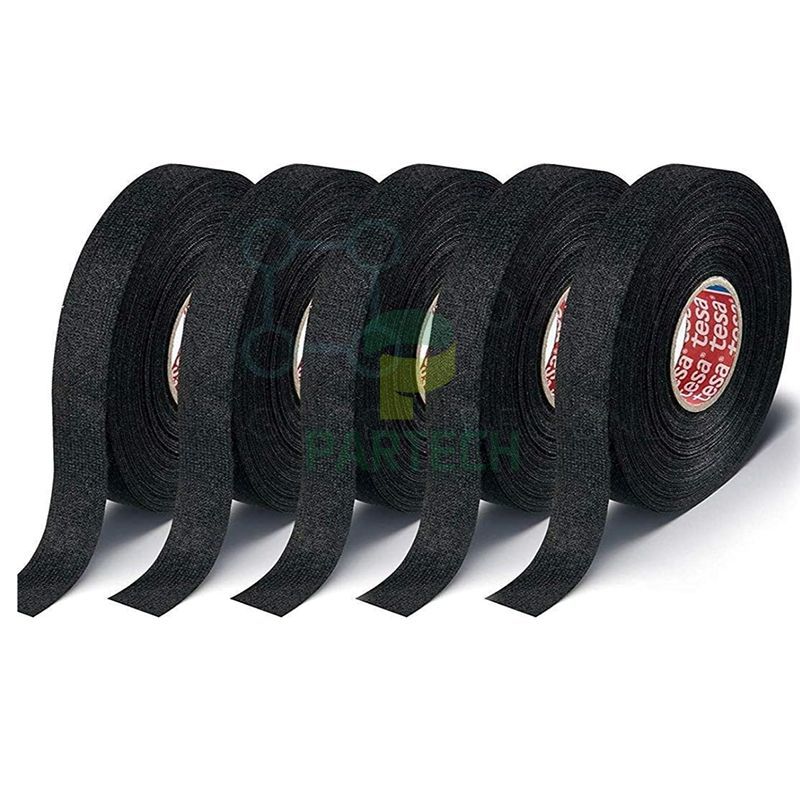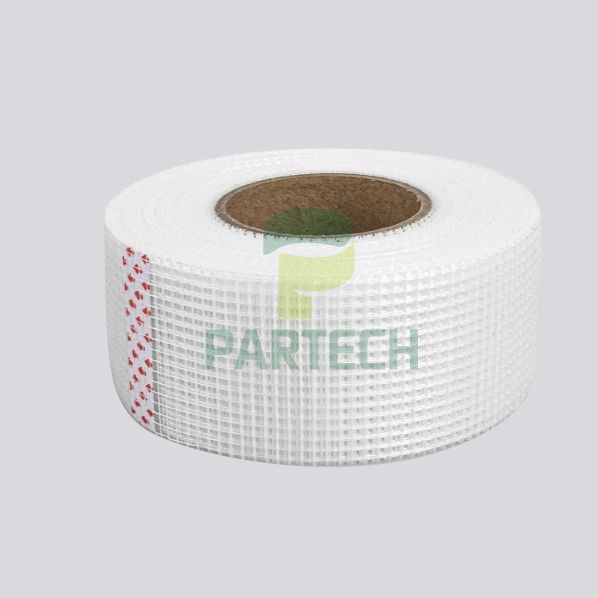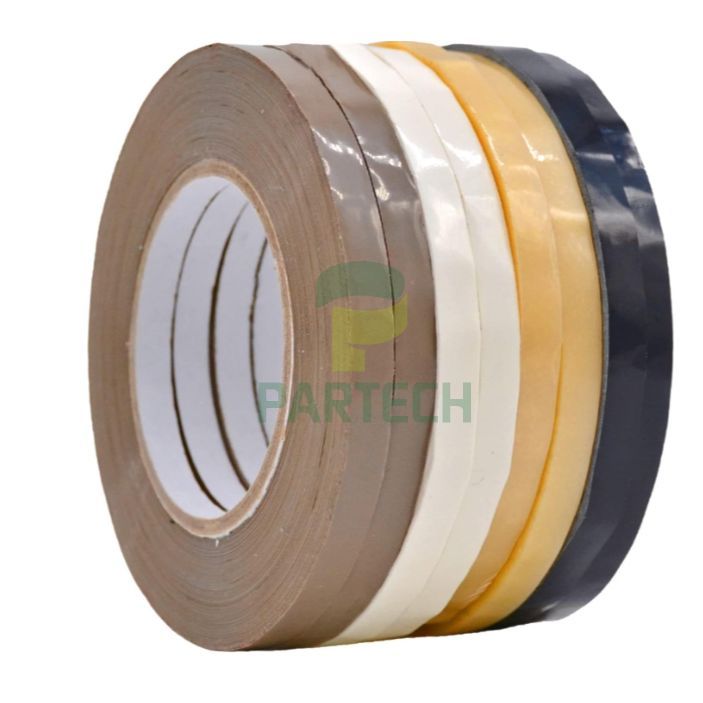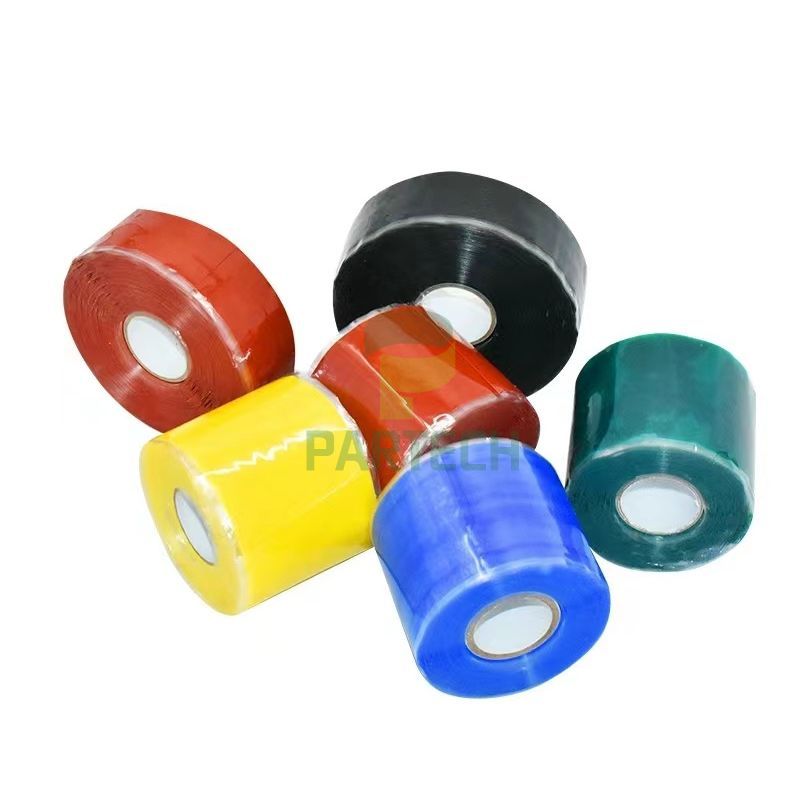


To deepen everyone's understanding of adhesive tape, I will share my analysis of the three types of adhesives used in tape, hoping it will be helpful: Water-based coating adhesives use water as a solvent to emulsify acrylic or polyurethane resins using specialized emulsification equipment. Their biggest advantages are: wide variety, environmental friendliness, and low price. Many coatings now use water-based adhesives, such as general water-soluble PA, water-soluble PU, as well as film adhesives, oil-feel/wax-feel adhesives, and functional pastes like color pastes. Water-based adhesives, with their functionality, environmental friendliness, and low price, represent the future direction of coatings. Disadvantages include poor film-forming properties, poor wash fastness, and the inability to apply hot melt adhesives to PU.
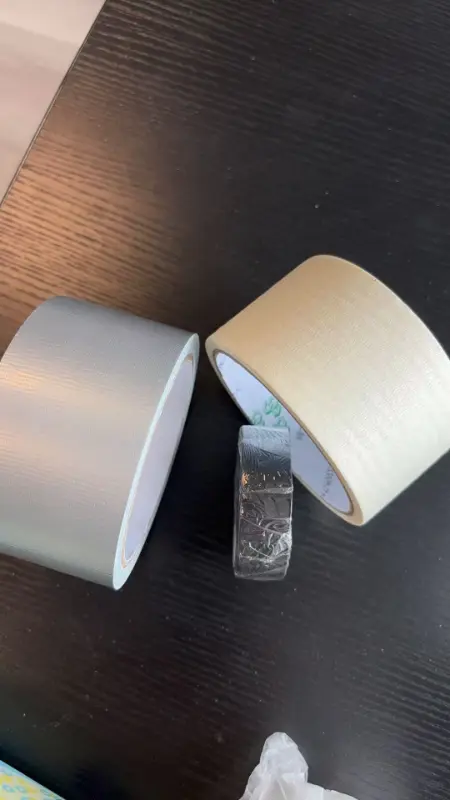
(1) Coated paper: Excellent printability and low cost; commonly used for large-volume bottle and can labels and outer box labels. (2) VC material: Good waterproof performance and tear-resistant; commonly used for outer packaging labels of products such as shower gel and shampoo.
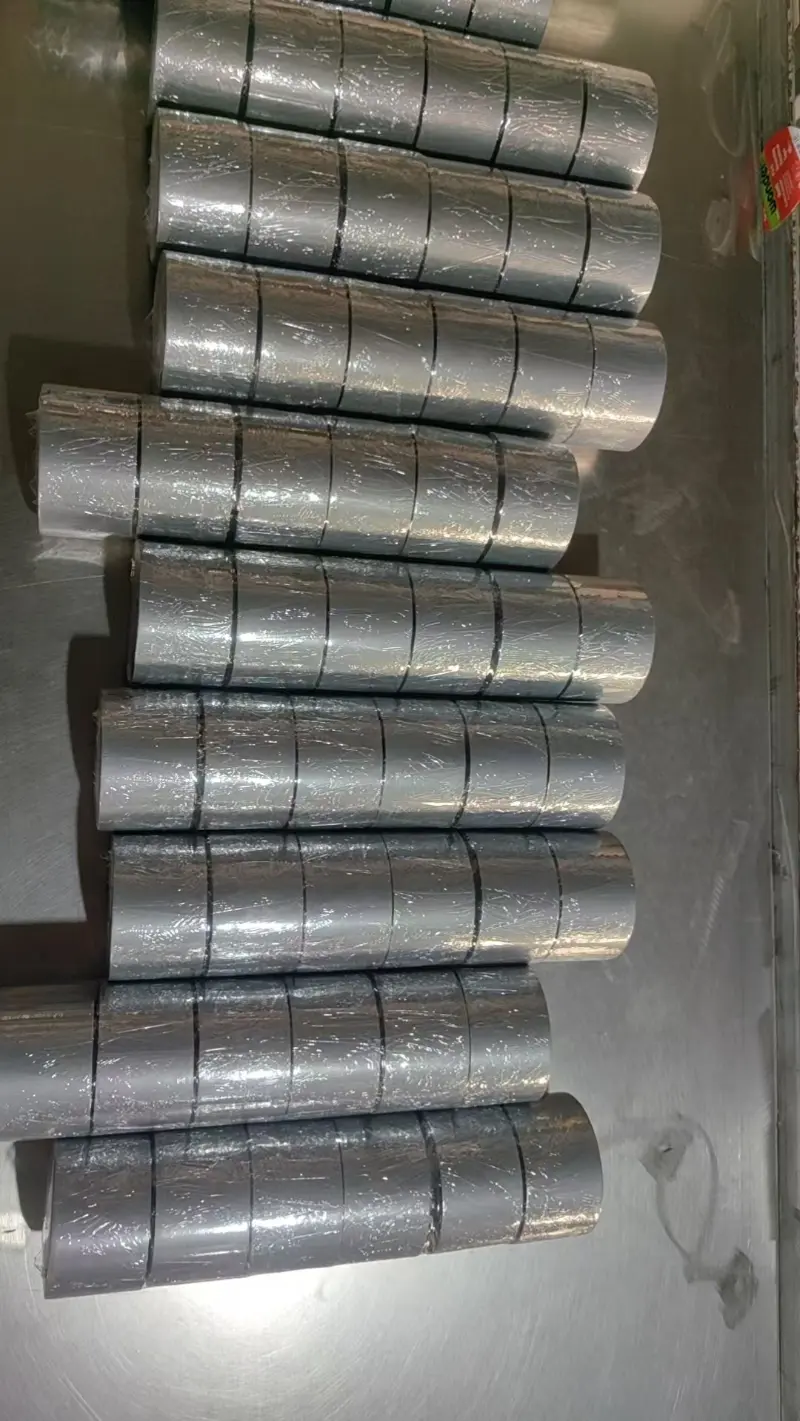
While people are aware that the cross-sectional area of power cord materials affects electrical safety during electricity use, they often don't pay enough attention to the use of insulating tape at joints. Improper use of insulating tape can cause leakage, endangering personal safety or causing fires. So, how should insulating tape be used correctly? Power cord joints are divided into "+" type, "-" type, "T" type, etc. The joint should be securely wrapped, smooth and free of burrs. Before breaking the wire end, lightly press it with wire cutters, then wrap it around to the opening, and then swing it left and right; the wire end will break off neatly at the joint. If the joint is in a dry place, first wrap it with two layers of insulating black cloth, then two layers of plastic tape (also called PVC adhesive tape), then wrap two or three layers of J-10 self-adhesive insulating tape stretched to about 200%, and finally wrap two layers of plastic tape.
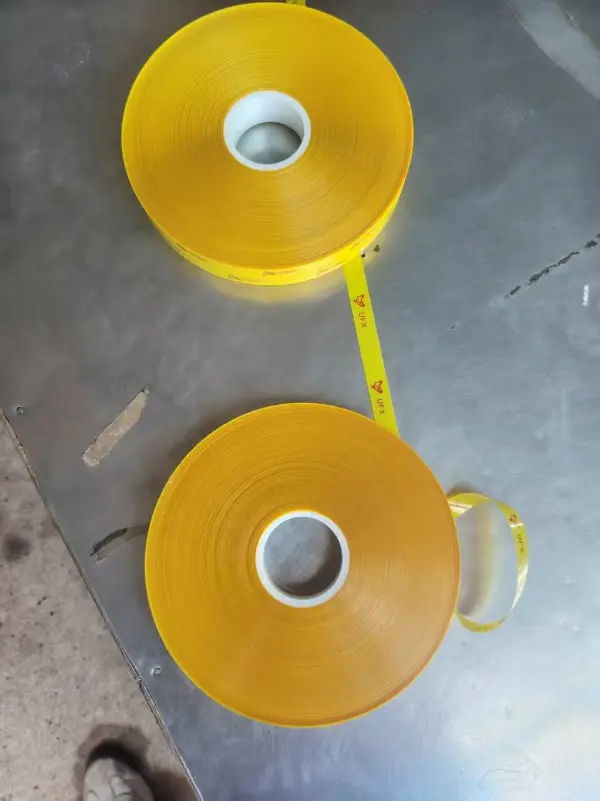
PET film, especially when rolled into rolls, often exhibits a yellowish or grayish color, easily visible to the naked eye. For yellow streaks, the film must be unfolded and observed against the light, or placed on a white backing for better identification.
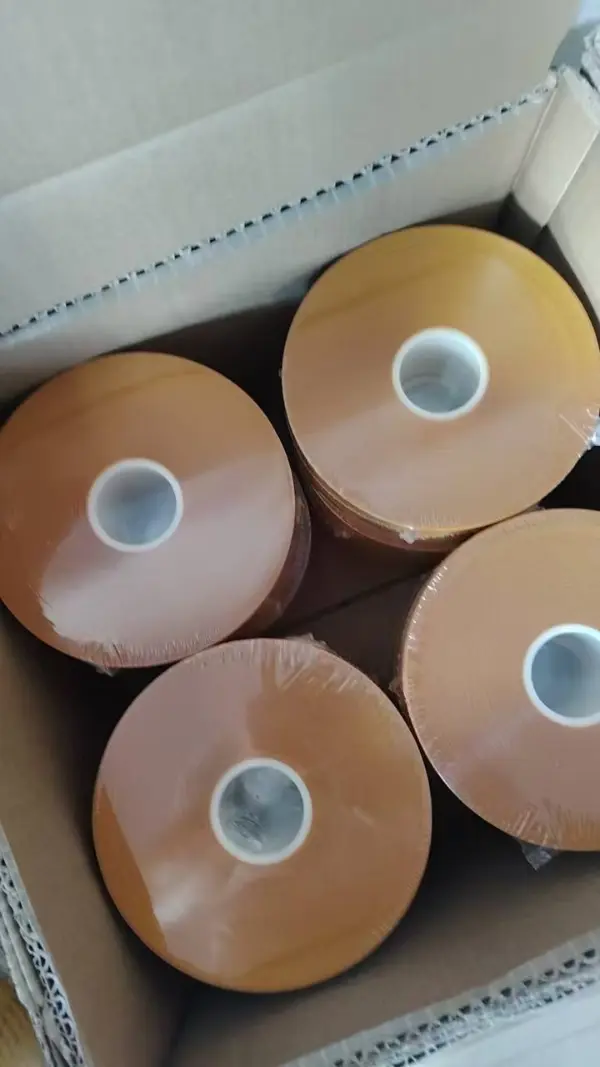
The lithium battery termination tape uses PET film as the backing material, coated with a modified acrylic adhesive specifically designed for electrolyte resistance. Thicknesses available are 0.016mm, 0.020mm, 0.03mm, 0.035mm, 0.04mm, and 0.05mm. Specifically designed for the insulation and fixation of lithium-ion cells and other components, it features acid and alkali resistance, strong adhesion, and halogen-free properties, complying with RoHS and REACH standards.
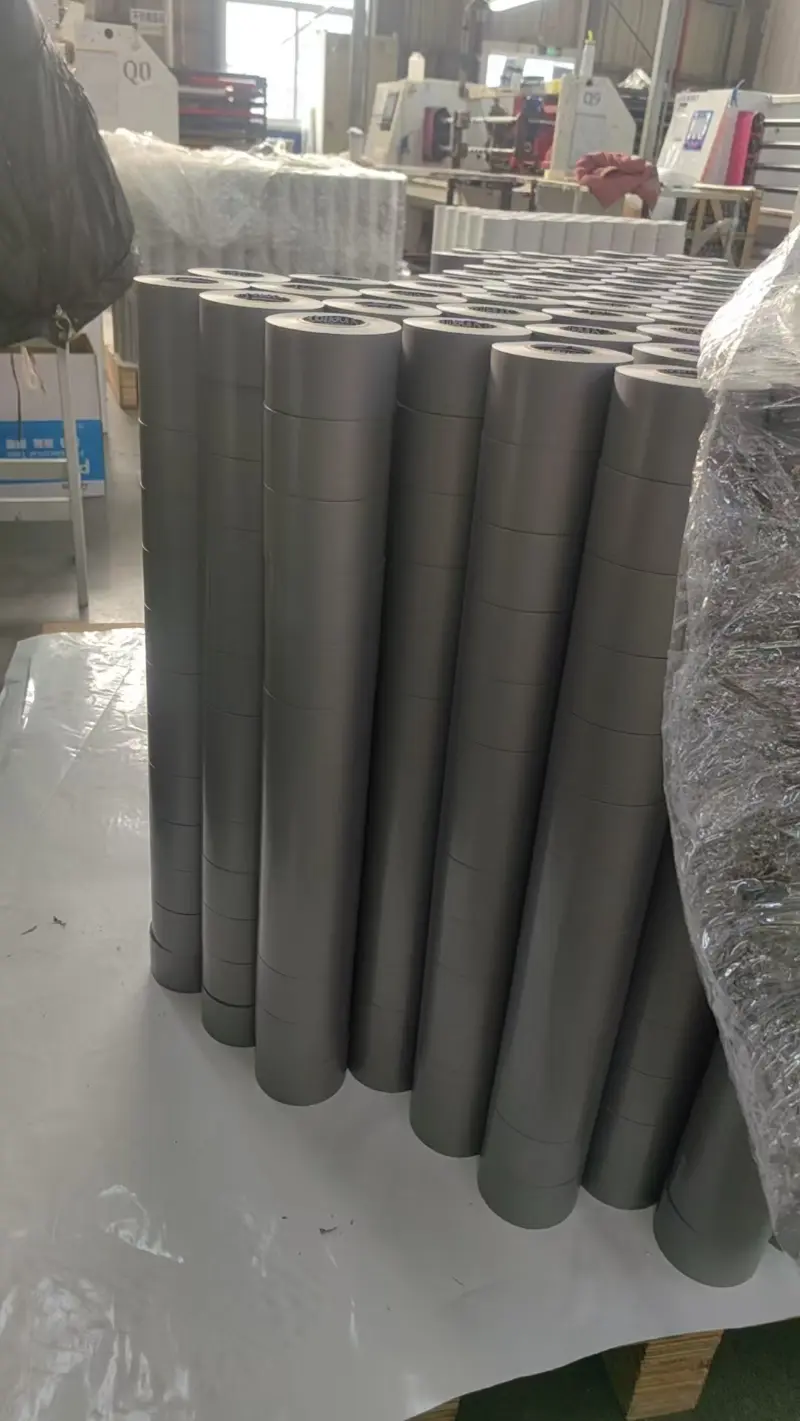
Adhesive tapes and other adhesive products are widely used. Poor adhesion can affect things related to people. To further improve the safety and reliability of the adhesive market, relevant national departments have issued the reference standard CNY-2 for tackiness testing.